


The Gulf Cooperation Council (GCC) is making a giant leap toward seamless regional travel as Saudi Arabia officially joins the one-stop immigration system. This move marks a historic moment for citizens and residents alike, offering unprecedented freedom to traverse the Gulf without the traditional hassles of border controls. With this system in place, GCC nations are taking a bold step toward unity, convenience, and economic synergy, fundamentally transforming how the region interacts.
A Historic Milestone for GCC Travelers
The introduction of the one-stop immigration system represents more than just a policy change; it is a symbol of regional integration. For decades, crossing borders within the Gulf required tedious checks, paperwork, and waiting times. With Saudi Arabia’s inclusion, travelers can now enjoy a seamless journey, moving freely between member states with reduced formalities.
This initiative aligns with the GCC’s broader vision of interconnectedness, reflecting a commitment to facilitate mobility for citizens, residents, and visitors. For frequent travelers, business professionals, and families, this system is not merely a convenience; it represents a profound shift in lifestyle and regional identity.
How the One-Stop Immigration System Works
The one-stop immigration system is designed to streamline border procedures by consolidating customs and immigration formalities. Instead of stopping at each border to undergo separate inspections, travelers now complete a single checkpoint process that is recognized across member states.
Technologically advanced and user-friendly, the system integrates biometric verification, digital passports, and automated clearance procedures. This ensures accuracy, enhances security, and significantly reduces waiting times. Citizens and residents can now focus on their journeys rather than navigating bureaucratic hurdles.
The system also incorporates real-time data sharing between member countries, enabling smoother coordination in case of emergencies or travel anomalies. This makes the GCC a model for modern regional travel solutions, combining convenience with safety.
Saudi Arabia’s Strategic Role in GCC Integration
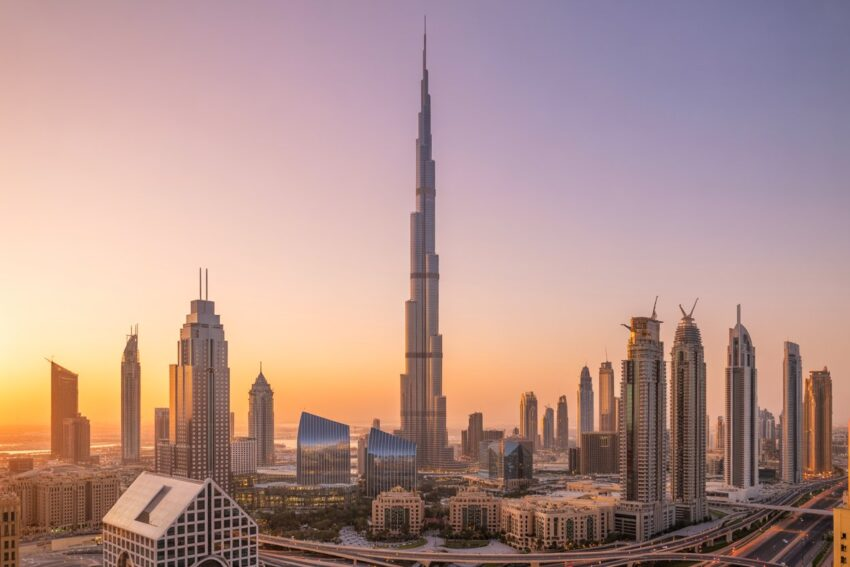
Saudi Arabia, as the largest economy in the Gulf, plays a pivotal role in shaping regional policies. Its decision to join the one-stop immigration system signals a strong commitment to GCC unity and economic collaboration. By aligning with this initiative, Saudi Arabia is setting an example for other member states to enhance connectivity and regional cohesion.
This step is not just symbolic; it has tangible implications for trade, tourism, and investment. Businesses can now move goods and personnel more efficiently, while tourism benefits from a simplified cross-border experience. Families and expatriates will enjoy reunions without the traditional barriers that previously slowed or complicated travel plans.
Benefits for Citizens and Residents
The advantages of the one-stop immigration system are extensive and multifaceted. For ordinary citizens, the system transforms travel from a cumbersome process into an effortless experience. Families can visit relatives more often, professionals can attend regional business meetings without delays, and students can explore educational opportunities across borders more easily.
Residents and expatriates also gain from improved mobility, enhancing their quality of life. Many expatriates work across multiple GCC nations, and streamlined travel reduces the burden of repeated paperwork and long waits. For commuters, tourists, and business travelers, time savings and convenience are substantial.
Moreover, the system supports broader social integration. By facilitating easier interaction between GCC nations, residents can experience the rich diversity of cultures, traditions, and opportunities within the region. This encourages a sense of shared identity and belonging, strengthening community ties.
Economic Implications of Borderless Travel
Borderless travel within the GCC is expected to boost economic growth significantly. By reducing logistical barriers, businesses can operate more efficiently, moving personnel, goods, and services with ease. This streamlined approach enhances trade, encourages investment, and creates opportunities for innovation.
The tourism sector, in particular, stands to gain tremendously. GCC citizens and residents can now explore neighboring countries with minimal formalities, encouraging domestic tourism and spending. Hotels, airlines, and local businesses will see increased patronage as regional travel becomes more accessible and attractive.
Additionally, the system facilitates labor mobility, allowing skilled professionals to work across the region with less administrative burden. This can address workforce gaps, promote knowledge transfer, and strengthen the overall economic ecosystem of the Gulf.
Security and Efficiency in Travel
A common concern with borderless travel is maintaining security without compromising convenience. The one-stop immigration system addresses this by integrating advanced security measures. Biometric verification, real-time monitoring, and data-sharing protocols ensure that travelers are properly identified and cleared, reducing the risk of illegal entry or other security threats.
The efficiency of the system also reduces congestion at borders, enhancing safety and comfort for travelers. Long queues, manual checks, and paperwork delays are minimized, creating a smoother, more reliable travel experience. By combining technology with careful policy planning, the GCC is demonstrating that security and convenience can coexist.
How This Change Impacts Tourism
Tourism within the GCC is poised for a dramatic transformation. Countries like Saudi Arabia, the UAE, and Bahrain have been investing heavily in attracting visitors, and streamlined travel can amplify these efforts. Travelers can now explore multiple destinations in one trip without the stress of border formalities, opening the door to regional travel packages and multi-country tours.
Cultural events, festivals, and exhibitions are likely to attract more attendees from across the Gulf, boosting hospitality, retail, and entertainment sectors. For adventure travelers, business tourists, or families seeking leisure, the region now offers an integrated experience that was previously difficult to achieve.
The Vision for GCC Unity
The one-stop immigration system is more than a practical solution; it is a reflection of the GCC’s long-term vision for regional unity. By facilitating easy movement, the system encourages stronger social, economic, and political bonds among member states.
This initiative mirrors global trends where regional blocs aim to simplify mobility and foster collaboration. For the GCC, it reinforces the concept of a connected Gulf, where citizens share a sense of belonging, opportunity, and mutual growth.
Future Prospects and Expansion
While Saudi Arabia’s entry marks a major milestone, the GCC has plans to further enhance and expand the system. Technological upgrades, integration with other regional transport networks, and broader participation by all member states are likely in the coming years.
The vision includes creating a Gulf-wide travel card, expanding automated clearance points, and integrating digital platforms to manage both passenger and cargo movement. Such developments will further reduce barriers and strengthen the region’s position as a model of efficient regional travel.
How Businesses Will Benefit
Businesses operating across GCC nations will see immediate advantages. Faster travel for employees means improved productivity, quicker meetings, and better coordination across branches. Logistics companies can transport goods more efficiently, reducing costs and improving service delivery.
Entrepreneurs and investors also gain from easier access to markets, facilitating trade, partnerships, and business expansion. The simplified movement of talent and resources can spark innovation and encourage cross-border collaboration, strengthening the regional economy overall.
Enhancing Cultural Exchange
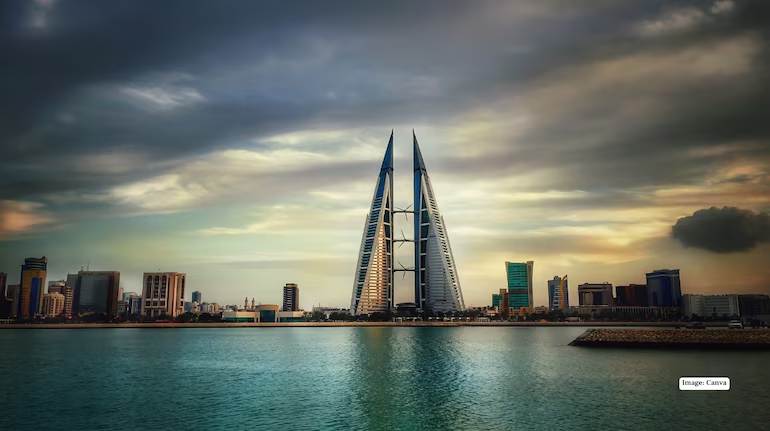
Beyond economics, borderless travel encourages deeper cultural exchange. Citizens can experience neighboring countries’ traditions, arts, and lifestyles with ease, fostering mutual understanding and respect. This can lead to stronger regional identities and a more cohesive GCC community.
For younger generations, easy travel means exposure to diverse perspectives and opportunities, nurturing a more informed and globally-minded population. Cultural festivals, exhibitions, and student programs will likely see increased participation, enriching the social fabric of the Gulf.
What Citizens Can Expect Next
For travelers, the changes are immediate and practical. Expect shorter waiting times, smoother border processes, and a more pleasant journey. Digital systems will become standard, making it easier to plan trips and manage travel documents electronically.
Authorities are also likely to introduce support services and informational campaigns to help citizens navigate the new system. With these measures, the transition toward seamless travel will be smooth, ensuring a positive experience for all.
A Step Toward Global Standards
By implementing the one-stop immigration system, the GCC aligns itself with international best practices in regional mobility. Europe’s Schengen Area, for example, has demonstrated the benefits of integrated border control, and the GCC is now embracing similar principles.
This positions the Gulf as a modern, forward-thinking region, capable of providing both convenience and security to its citizens and visitors. The move reflects a commitment to progress, innovation, and cooperation in a rapidly globalizing world.
Conclusion: A New Era of Gulf Travel
The inclusion of Saudi Arabia in the GCC one-stop immigration system marks the dawn of a new era in regional travel. Citizens, residents, businesses, and tourists all stand to benefit from the convenience, efficiency, and security that this system offers.
Beyond its practical implications, the initiative represents a broader vision of regional unity, economic growth, and cultural exchange. By embracing this milestone, the GCC is stepping confidently into a future where borders are no longer obstacles, but gateways to opportunity and connection.
As the Gulf moves closer to seamless travel, the promise of a truly interconnected region is becoming a reality. For citizens and visitors alike, the future is not just borderless it is boundless.
Do Follow Gulf Magazine on Instagram
Read More:- Saudi Arabia vs Oman: Exciting Tips to Stream Every Goal Live 2025

