

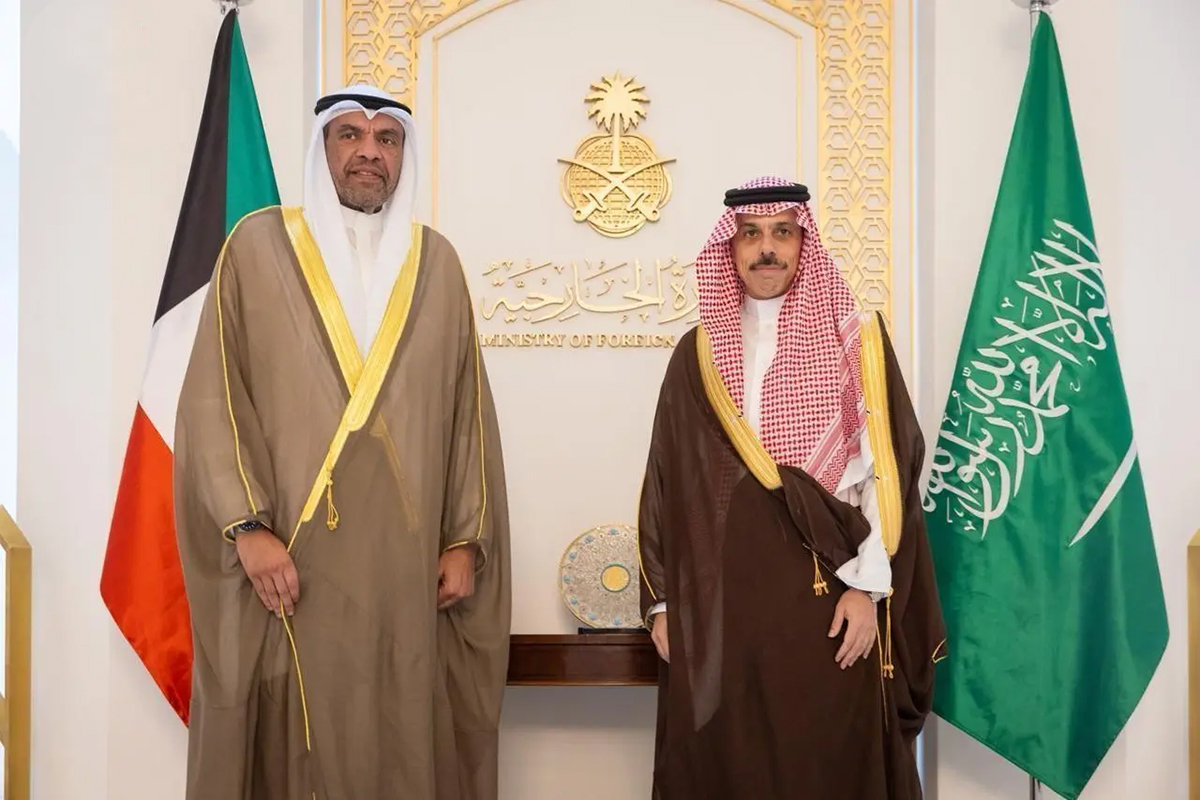
Saudi Arabia and Kuwait have taken a significant step forward in strengthening their bilateral relationship by signing new energy cooperation agreements. These agreements reflect not only shared economic interests but also a growing commitment to regional stability, sustainable development, and long-term energy security. At a time when the global energy landscape is undergoing rapid transformation, this partnership highlights how two major Gulf economies are positioning themselves as proactive leaders in shaping the future of energy.
The agreements are designed to enhance collaboration across multiple energy sectors, including oil, gas, renewables, technology exchange, and research. More than just a formal gesture, the move represents a renewed vision of cooperation where both countries aim to balance traditional energy strengths with future-focused innovation.
Historical Context of Saudi-Kuwaiti Energy Relations
Saudi Arabia and Kuwait share one of the most enduring and strategically important relationships in the Gulf region. Their energy cooperation dates back decades, built on mutual trust, geographic proximity, and shared interests in oil production and export.
One of the most symbolic aspects of this relationship is the joint management of the Neutral Zone, also known as the Partitioned Zone. This area has historically served as a model for bilateral resource sharing, where both nations jointly manage and benefit from oil and gas production. Over the years, this arrangement has demonstrated how cooperation, rather than competition, can create sustainable economic value.
The new agreements build on this legacy, expanding cooperation beyond traditional oil production into broader and more diversified energy domains.
Key Areas of Cooperation
The newly signed agreements focus on several strategic areas that reflect both current needs and future ambitions.
Oil and Gas Development
At the core of the cooperation is continued collaboration in oil and gas exploration, production, and infrastructure development. Saudi Arabia and Kuwait aim to optimize output from shared fields, improve operational efficiency, and adopt best practices in safety and environmental management.
Both countries also plan to strengthen coordination in supply chain logistics, storage facilities, and export strategies. This is expected to improve market responsiveness and enhance resilience against global supply disruptions.
Renewable Energy and Sustainability
A notable feature of the agreements is the growing emphasis on renewable energy. Saudi Arabia’s Vision 2030 and Kuwait’s national development strategies both prioritize diversification away from heavy dependence on oil revenues.
The cooperation framework includes joint research in solar and wind energy, investment in clean energy projects, and knowledge-sharing on energy efficiency. These initiatives are intended to reduce carbon footprints while creating new economic opportunities in emerging green sectors.
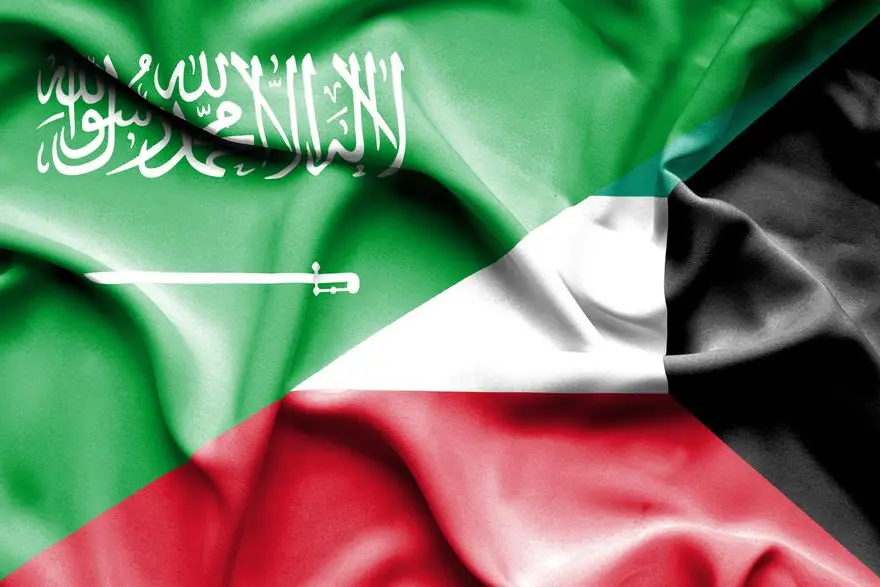
Energy Technology and Innovation
Another critical pillar of the partnership is technological collaboration. The agreements encourage joint research and development in areas such as digital energy systems, smart grids, carbon capture, and artificial intelligence for energy management.
By pooling expertise and resources, both countries aim to accelerate innovation, improve productivity, and ensure their energy sectors remain competitive in a rapidly evolving global environment.
Human Capital and Knowledge Exchange
Beyond infrastructure and technology, the agreements place strong emphasis on people. Training programs, academic partnerships, and professional exchanges are part of the cooperation plan, allowing engineers, researchers, and policymakers from both countries to share insights and build long-term professional networks.
This focus on human capital ensures that cooperation is not limited to institutions, but also empowers individuals who will shape the future of the energy sector.
Economic Impact and Investment Opportunities
The energy cooperation agreements are expected to generate significant economic benefits for both Saudi Arabia and Kuwait. By aligning strategies and pooling investments, the two nations can reduce project risks, improve cost efficiency, and attract international partners.
Joint ventures in energy projects are likely to create new job opportunities, stimulate local industries, and boost private sector participation. For investors, the partnership sends a strong signal of stability and long-term commitment, making the region more attractive for capital inflows.
Small and medium enterprises may also benefit, as new projects will require services ranging from engineering and construction to logistics and digital solutions. This ripple effect could strengthen entire economic ecosystems in both countries.

Strengthening Regional Energy Security
Energy security is a growing concern worldwide, driven by geopolitical tensions, climate challenges, and fluctuating demand. The Saudi-Kuwaiti partnership plays a crucial role in enhancing regional energy stability.
By coordinating production policies, sharing strategic reserves, and aligning infrastructure development, both countries can better manage risks and respond to global market shifts. This collaboration not only benefits their own economies but also supports energy reliability for key international markets that depend on Gulf supplies.
In a broader sense, the partnership contributes to the resilience of the entire Gulf energy system, reinforcing the region’s position as a reliable global energy hub.
Aligning with Global Energy Transitions
The world is gradually moving toward cleaner and more sustainable energy systems. Saudi Arabia and Kuwait recognize that long-term success depends on adapting to these changes rather than resisting them.
The cooperation agreements reflect a balanced approach, where traditional energy resources are managed responsibly while new investments are directed toward renewables and low-carbon technologies. This alignment with global trends enhances the international image of both countries and strengthens their credibility as forward-looking energy leaders.
It also opens the door for collaboration with international organizations, research institutions, and multinational companies focused on sustainability and climate action.
Political and Diplomatic Significance
Beyond economics, the agreements carry strong political and diplomatic meaning. They symbolize unity, trust, and shared vision between two influential Gulf nations.
In a region often characterized by competition and shifting alliances, Saudi Arabia and Kuwait’s partnership stands out as an example of constructive cooperation. It sends a positive message to neighboring countries and global partners about the importance of dialogue, collaboration, and mutual respect.
This diplomatic dimension adds depth to the energy agreements, transforming them into a broader platform for regional cooperation.
Challenges and Future Outlook
While the agreements are ambitious, their success will depend on effective implementation, transparent governance, and sustained political commitment. Challenges such as regulatory differences, market volatility, and technological adaptation will require careful management.
However, both countries have strong institutional frameworks and financial capacity to overcome these obstacles. With clear goals, shared responsibilities, and continuous evaluation, the partnership has the potential to deliver long-lasting benefits.
Looking ahead, the cooperation may expand into new areas such as hydrogen energy, electric mobility, and cross-border energy trading. These emerging sectors could further redefine the Saudi-Kuwaiti energy relationship and position both nations at the forefront of global energy innovation.
Conclusion: A Vision for a Shared Energy Future
The energy cooperation agreements between Saudi Arabia and Kuwait represent more than just a bilateral deal. They embody a shared vision of growth, resilience, and progress in a changing world.
By combining traditional strengths with future-oriented strategies, both countries are setting an example of how regional partnerships can drive sustainable development. The focus on innovation, human capital, and environmental responsibility reflects a modern approach to energy leadership.
Ultimately, this partnership is not only about powering economies but also about empowering people, strengthening regional ties, and shaping a more secure and sustainable energy future for generations to come.
Do follow Gulf Magazine on Instagram.
Also Read – Saudi Solar Power Plants in Turkey: $2bn Green Push

