

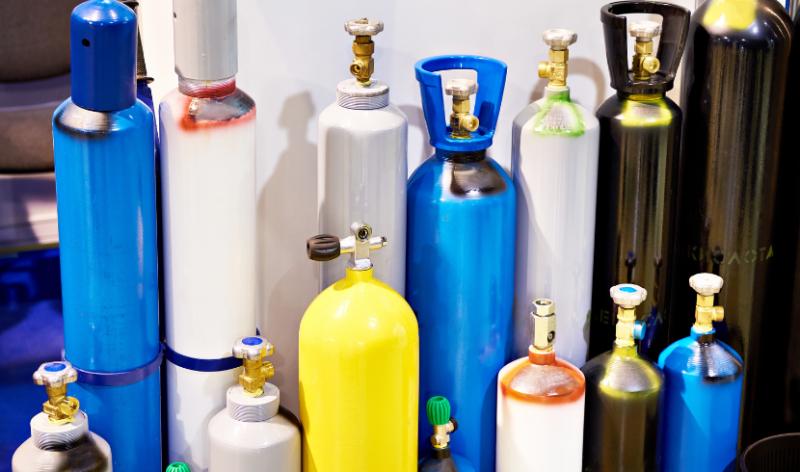
In hospitals, clinics, and emergency rooms across Saudi Arabia, medical gases quietly play a life-saving role every single day. Oxygen supports patients struggling to breathe, nitrous oxide eases pain during procedures, and medical air ensures critical equipment functions safely. While these gases often go unnoticed, the market behind them is entering a period of remarkable growth. The Saudi Arabia medical gases market is projected to expand at a compound annual growth rate of 7.10 percent through 2035, reflecting deeper changes in healthcare delivery, population needs, and national priorities.
This growth story is not just about numbers or infrastructure. It is about people living longer lives, doctors gaining better tools, and a healthcare system evolving to meet rising expectations. As Saudi Arabia continues to invest heavily in healthcare modernization, medical gases are becoming an essential foundation of this transformation.
Understanding Medical Gases and Their Critical Role
What Are Medical Gases?
Medical gases include oxygen, nitrogen, nitrous oxide, carbon dioxide, and medical air, all produced and purified to strict healthcare standards. These gases are used in patient therapy, anesthesia, diagnostics, and the operation of medical devices. Unlike industrial gases, medical gases must meet rigorous quality and safety requirements because they directly affect human lives.
In Saudi Arabia, demand for these gases is growing steadily as healthcare services expand beyond major cities and into regional and community-based facilities.
Why Medical Gases Matter in Everyday Healthcare
For patients, medical gases are often the difference between recovery and complication. Oxygen therapy supports those with respiratory illnesses, premature infants, and trauma patients. Nitrous oxide and other anesthetic gases help surgeons perform procedures safely and humanely. Medical air powers ventilators and monitoring equipment that doctors rely on during critical moments.
As healthcare becomes more advanced and patient-centered, the need for reliable and high-quality medical gases increases accordingly.
Key Drivers Fueling Market Growth in Saudi Arabia
Expanding Healthcare Infrastructure
Saudi Arabia has made healthcare development a national priority. New hospitals, specialty clinics, and diagnostic centers are being built across the Kingdom. Each new facility requires a continuous and dependable supply of medical gases, from centralized pipeline systems to portable cylinders.
This expansion is not limited to urban centers. Rural and remote areas are also gaining access to modern healthcare, further increasing nationwide demand for medical gases.
Growing and Aging Population
The Kingdom’s population is growing, and people are living longer due to improved healthcare services. With age comes a higher prevalence of chronic conditions such as respiratory disorders, cardiovascular diseases, and diabetes-related complications. These conditions often require oxygen therapy and other gas-based treatments, driving sustained demand in the medical gases market.
Behind every statistic is a patient seeking comfort, relief, and quality care, making this growth deeply human in nature.
Rise in Chronic and Lifestyle Diseases
Lifestyle changes have led to an increase in non-communicable diseases across Saudi Arabia. Conditions like asthma, chronic obstructive pulmonary disease, and obesity-related complications often require long-term medical gas usage. Hospitals and home healthcare providers alike are seeing increased demand for oxygen therapy solutions.
This shift is also encouraging innovation in portable and home-based gas delivery systems, making care more accessible and patient-friendly.
Vision 2030 and Its Influence on the Market
Government Investment in Healthcare Transformation
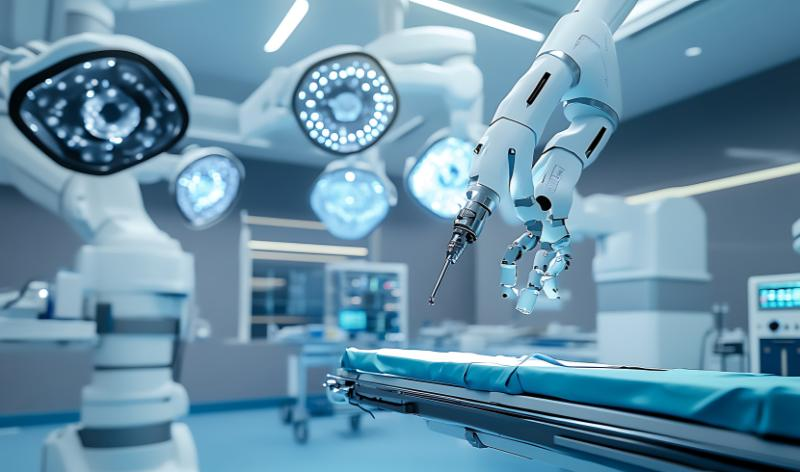
Saudi Vision 2030 has placed healthcare reform at the heart of national development. The goal is to create a world-class healthcare system that emphasizes quality, efficiency, and accessibility. Medical gases are a fundamental part of this vision, supporting advanced treatments, surgical procedures, and emergency care services.
Public and private sector investments are working together to modernize hospitals and introduce international best practices, directly benefiting the medical gases market.
Encouraging Private Sector Participation
The Kingdom is actively encouraging private companies to participate in healthcare delivery and manufacturing. This has opened opportunities for medical gas producers, distributors, and technology providers to expand operations locally. Increased competition is also improving service quality, safety standards, and innovation across the market.
For patients, this translates into more reliable supply chains and better continuity of care.
Market Segmentation and Key Applications
By Gas Type
Oxygen remains the most widely used medical gas in Saudi Arabia, accounting for a significant share of demand. Its role in emergency medicine, intensive care, and long-term therapy makes it indispensable. Nitrous oxide is another major segment, widely used in anesthesia and pain management.
Other gases such as carbon dioxide and nitrogen are also essential for surgical procedures and medical equipment operation, supporting a diverse and growing application base.
By Application
Hospitals represent the largest application segment due to their continuous and high-volume usage of medical gases. However, home healthcare is emerging as a fast-growing segment. Patients with chronic conditions increasingly receive oxygen therapy at home, improving comfort and reducing hospital stays.
Ambulatory surgical centers and diagnostic laboratories also contribute to market growth as outpatient procedures become more common.
Technological Advancements Shaping the Future
On-Site Gas Generation Systems
Hospitals in Saudi Arabia are increasingly adopting on-site gas generation systems, particularly for oxygen. These systems enhance supply reliability, reduce dependency on external deliveries, and improve operational efficiency. In critical care environments, this reliability can save lives.
Such technologies also align with sustainability goals by reducing transportation-related emissions and waste.
Improved Storage and Distribution Solutions
Advancements in cylinder design, cryogenic storage, and pipeline systems are improving safety and efficiency across healthcare facilities. Smart monitoring systems now allow hospitals to track gas usage in real time, ensuring uninterrupted supply and reducing the risk of shortages.
These innovations reflect a broader commitment to patient safety and operational excellence.

Challenges and Considerations in the Market
Regulatory Compliance and Safety Standards
Medical gases must meet strict regulatory and quality standards. Ensuring compliance across production, storage, and distribution requires continuous investment and training. While this presents challenges for suppliers, it also strengthens trust in the healthcare system.
For patients and healthcare professionals, these standards provide reassurance that safety is never compromised.
Supply Chain Reliability
Maintaining a consistent supply of medical gases is critical, especially during emergencies or periods of high demand. The market must balance growing consumption with robust logistics and contingency planning. Investments in local production and diversified supply chains are helping address this challenge.
The Human Impact Behind Market Growth
Beyond infrastructure and economics, the growth of the medical gases market represents improved patient outcomes and quality of life. It means better support for newborns in neonatal units, safer surgeries for families, and comfort for elderly patients managing chronic illnesses.
Healthcare professionals also benefit from reliable access to essential gases, allowing them to focus on what matters most: caring for people.
Looking Ahead to 2035
Strong Growth with Long-Term Stability
With a projected CAGR of 7.10 percent through 2035, the Saudi Arabia medical gases market is set for sustained and resilient growth. This expansion reflects long-term healthcare needs rather than short-term trends, providing stability for investors and suppliers alike.
As healthcare services become more specialized and technologically advanced, demand for medical gases will continue to rise.
A Market Built on Care and Commitment
The future of the medical gases market in Saudi Arabia is closely tied to the nation’s commitment to health and well-being. Every new hospital bed, every upgraded intensive care unit, and every home oxygen system represents progress toward a healthier society.
In the years ahead, medical gases will remain an invisible yet vital force, supporting life, healing, and hope across the Kingdom.
Do follow Gulf Magazine on Instagram.
Also Read – Saudi Arabia Nears 80-Year Life Expectancy as Vision 2030 Health Reforms Deliver Gains

