

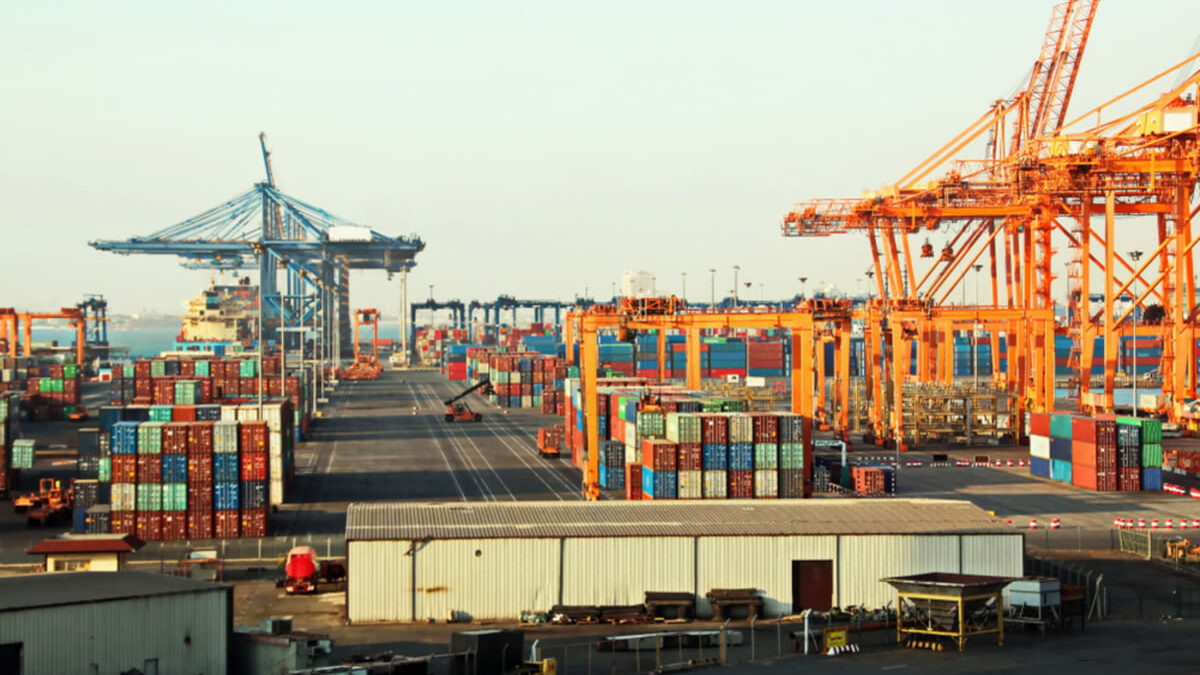
Saudi Arabia’s economy is undergoing a profound transformation, and the latest surge in non-oil exports offers clear proof that change is not only happening but accelerating. A 32.3% rise in non-oil exports reflects more than a short-term trade boost; it signals a growing confidence in the Kingdom’s diversified economic model. As global markets evolve and energy transitions reshape demand, Saudi Arabia is steadily positioning itself as a competitive exporter across multiple industries beyond oil.
This growth story is rooted in strategic planning, private-sector momentum, and a national vision focused on long-term sustainability. From industrial manufacturing to petrochemicals, food products, and advanced materials, non-oil exports are becoming a central pillar of Saudi Arabia’s economic narrative.
Understanding the Non-Oil Export Surge
Saudi Arabia’s non-oil exports include a wide range of goods produced locally and shipped to international markets. These exports represent industries that are increasingly independent of crude oil revenues, offering the country economic stability and resilience.
What Drove the 32.3% Increase?
Several factors contributed to this remarkable growth. Strong global demand, improved trade logistics, and targeted government incentives played key roles. Saudi manufacturers have also become more competitive in pricing and quality, allowing them to capture new markets while strengthening existing trade relationships.
The expansion of industrial zones, economic cities, and export-oriented policies has enabled companies to scale production efficiently. At the same time, streamlined customs processes and digital trade platforms have reduced barriers, making it easier for Saudi products to reach global buyers.
A Shift from Dependence to Diversity
For decades, oil dominated Saudi Arabia’s export landscape. While hydrocarbons remain important, non-oil exports now represent a strategic counterbalance. This shift is crucial in reducing vulnerability to oil price fluctuations and ensuring consistent economic growth across different global cycles.
Key Sectors Powering Non-Oil Export Growth
The rise in non-oil exports is not concentrated in one single industry. Instead, it reflects broad-based progress across multiple sectors.
Petrochemicals and Plastics Manufacturing
Petrochemical products remain one of the strongest non-oil export categories. Leveraging abundant natural resources and advanced processing capabilities, Saudi Arabia has developed a globally competitive petrochemical industry. These products are widely used in packaging, construction, automotive, and consumer goods industries worldwide.
The value-added nature of petrochemicals allows the Kingdom to move further up the supply chain, exporting finished and semi-finished products rather than raw materials.
Metals, Construction Materials, and Industrial Goods
Exports of metals, steel products, aluminum, and construction materials have seen consistent growth. As infrastructure projects expand across the Middle East, Africa, and Asia, Saudi manufacturers are benefiting from regional demand.
Saudi Arabia’s emphasis on quality standards and efficient production has strengthened trust among international buyers, reinforcing its reputation as a reliable industrial supplier.
Food Products and Agricultural Exports
Food exports have emerged as a fast-growing segment within non-oil trade. From dairy and processed foods to dates and agricultural products, Saudi brands are increasingly visible in regional and global markets.
Investment in food security, modern farming techniques, and food processing facilities has enabled local producers to meet international standards while maintaining competitive pricing.
Chemicals, Pharmaceuticals, and Advanced Materials
The chemicals and pharmaceuticals sectors are gaining traction as well. With increased investment in research, technology, and compliance, Saudi Arabia is positioning itself as a regional hub for chemical and medical manufacturing.
This growth aligns with the Kingdom’s ambition to become a leader in advanced manufacturing and knowledge-based industries.
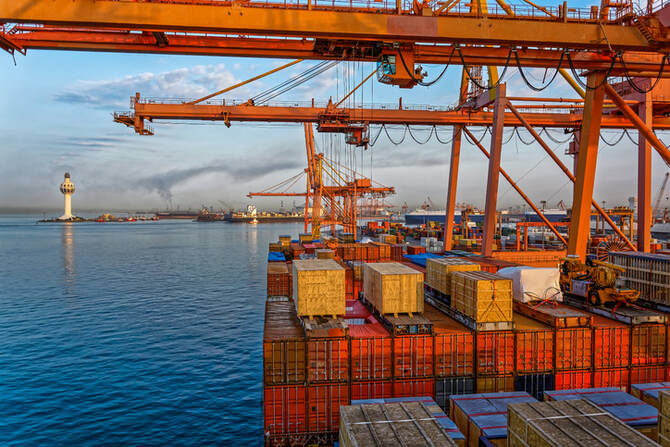
Vision 2030 and Its Role in Export Growth
Saudi Arabia’s Vision 2030 is the backbone of its economic transformation. Non-oil export growth directly reflects the success of this long-term strategy.
Policy Reforms Supporting Exporters
Government initiatives have focused on creating a business-friendly environment. Export financing, insurance programs, and trade promotion initiatives have reduced risk for exporters and encouraged companies to explore new markets.
Simplified regulations and transparent trade frameworks have also boosted investor confidence, attracting both local and foreign investment into export-driven industries.
Empowering the Private Sector
The private sector has played a vital role in driving export growth. Small and medium-sized enterprises, in particular, have benefited from support programs that provide funding, training, and international market access.
As entrepreneurship flourishes, innovative Saudi products are finding their way into global supply chains, strengthening the country’s export portfolio.
Global Market Expansion and Trade Partnerships
Saudi Arabia’s non-oil export growth reflects its expanding global footprint. The Kingdom has diversified its trading partners, reducing dependence on a limited number of markets.
Strengthening Regional Trade
Trade with neighboring Gulf and Middle Eastern countries continues to grow, supported by geographic proximity and shared logistics networks. Saudi products are increasingly integrated into regional supply chains, benefiting from faster delivery times and lower transportation costs.
Expanding into Asia, Africa, and Europe
Beyond the region, Saudi exporters are making inroads into Asia, Africa, and Europe. These markets offer high demand for industrial goods, food products, and chemicals.
By aligning products with international standards and adapting to local market needs, Saudi companies are building long-term relationships with global buyers.
Economic Impact Beyond Trade Numbers
The rise in non-oil exports is not just a trade success story; it has a wider impact on the Saudi economy and society.
Job Creation and Workforce Development
Export-oriented industries create jobs across manufacturing, logistics, marketing, and technology. As these sectors expand, they provide employment opportunities for Saudi nationals, contributing to workforce diversification and skill development.
Training programs and partnerships with educational institutions are ensuring that the workforce is equipped to meet the demands of a modern industrial economy.
Strengthening Economic Stability
Diversified exports enhance economic stability by spreading risk across multiple sectors. When oil markets experience volatility, non-oil revenues provide a buffer, supporting consistent government spending and investment.
This stability is essential for maintaining investor confidence and sustaining long-term growth.

Challenges and the Road Ahead
While the growth in non-oil exports is impressive, challenges remain. Global economic uncertainty, fluctuating demand, and intense international competition require continuous adaptation.
Enhancing Competitiveness
Saudi exporters must continue improving efficiency, innovation, and branding to stay competitive. Investment in technology, automation, and research will be key to maintaining momentum.
Sustainability and Green Exports
As global markets increasingly prioritize sustainability, Saudi Arabia has an opportunity to lead in green and environmentally responsible exports. Renewable energy components, sustainable materials, and low-carbon manufacturing can open new export avenues.
Aligning export growth with environmental goals will enhance the Kingdom’s global reputation and long-term competitiveness.
A Confident Step Toward a Diversified Future
The 32.3% rise in non-oil exports represents more than economic growth; it reflects a confident shift toward a diversified and resilient future. Saudi Arabia is proving that its economy can thrive beyond oil, driven by innovation, strategic planning, and global engagement.
As non-oil exports continue to gain momentum, they reinforce the Kingdom’s position as a rising industrial and trade powerhouse. This progress not only supports national economic goals but also sends a clear message to the world: Saudi Arabia is open for business, built for growth, and ready for the future.
Do follow Gulf Magazine on Instagram.
Also Read – Cristiano Ronaldo Saudi Contract Breakdown Salary Perks Lifestyle And Wealth

