


Saudi Arabia is making waves in the global real estate market with a groundbreaking decision that allows non-Saudis to own property in the kingdom. This new law represents a significant shift in the nation’s approach to foreign investment and real estate ownership, opening doors that were once firmly closed. This article explores the implications of this law, the potential benefits for non-Saudis, and how it fits into Saudi Arabia’s broader economic vision.
A New Era for Foreign Investment
Historically, real estate ownership in Saudi Arabia was largely reserved for its citizens. However, the recent legislative changes signal a new era where non-Saudis can buy property. This move is part of the country’s Vision 2030 initiative, aimed at diversifying its economy and reducing reliance on oil revenue. By attracting foreign investment, Saudi Arabia hopes to bolster its economy and create a vibrant real estate sector.
The implications of this law extend far beyond just property ownership. Non-Saudis can now invest in residential, commercial, and even agricultural properties, making it an attractive opportunity for expatriates and foreign investors alike. This will not only enhance the real estate market but also boost the overall economy by increasing demand for construction, services, and local businesses.
Benefits of Real Estate Ownership for Non-Saudis
The opening of real estate ownership to non-Saudis brings a plethora of benefits that can reshape the investment landscape in Saudi Arabia.
First, non-Saudis now have the chance to secure a tangible asset in a rapidly growing market. The potential for capital appreciation in a region undergoing significant development can be substantial.
Second, owning property can provide expatriates with a sense of stability and community. Many foreigners working in Saudi Arabia have long desired a place to call their own, and this law finally fulfills that need.
Third, this move is expected to stimulate job creation in various sectors associated with real estate, including construction, property management, and real estate services.
Finally, the diversification of ownership can lead to a more dynamic and competitive market, which benefits both foreign and local investors.
Understanding the New Regulations
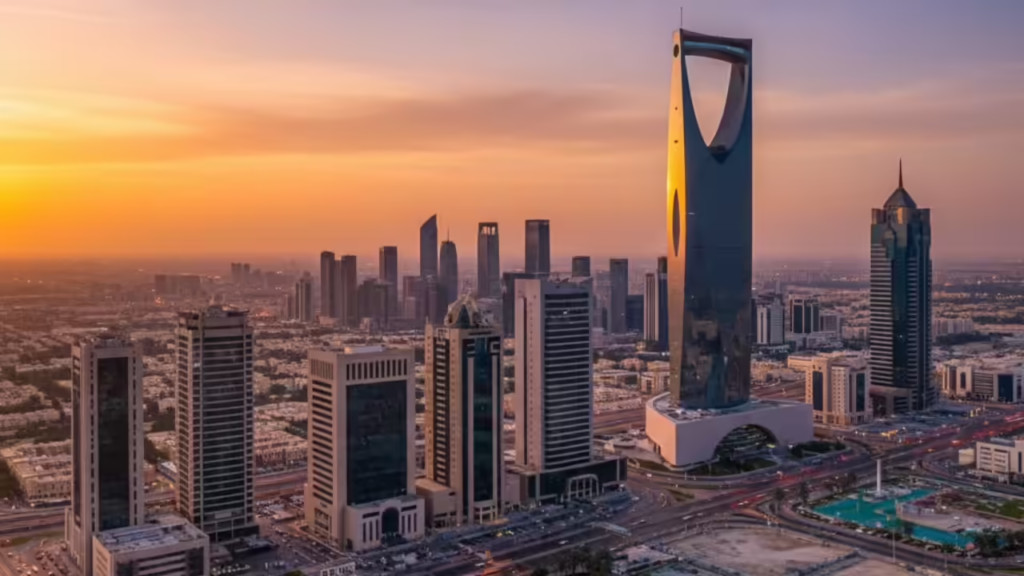
While the new law opens many doors, it comes with specific regulations that prospective buyers need to understand. Non-Saudis are allowed to own property in designated areas, and there may be restrictions on the type and size of the properties they can purchase.
Moreover, the law outlines the process for property registration and the necessary documentation required for foreign buyers. It’s essential for interested individuals to familiarize themselves with these regulations to ensure compliance and a smooth purchasing experience.
The Impact on the Saudi Real Estate Market
The introduction of this law is set to have a transformative effect on the Saudi real estate market. As more non-Saudis enter the market, there will likely be an increase in both demand and supply.
Developers may respond by creating more diverse and high-quality housing options that cater to a wider demographic. This could lead to innovative projects that reflect an international standard of living, enhancing the kingdom’s appeal as a destination for expatriates and foreign investors.
Furthermore, increased foreign ownership can lead to improved infrastructure and urban development, as the government and private sector work together to meet the demands of a growing population of property owners.
Challenges and Considerations
Despite the exciting opportunities, there are challenges that non-Saudis may face when navigating the Saudi real estate market.
Cultural differences and language barriers can pose significant obstacles for foreign investors. Understanding the local customs, legal requirements, and market dynamics is crucial for success.
Additionally, while the new law encourages foreign ownership, potential buyers should be aware of the economic climate and any geopolitical factors that may impact their investments.
It’s advisable for non-Saudis to engage with local real estate experts and legal advisors to navigate this new landscape effectively.
Future Prospects for Foreign Ownership in Saudi Arabia
Looking forward, the prospects for foreign ownership in Saudi Arabia appear promising. As the government continues to implement reforms aimed at fostering a more open economy, we can expect further enhancements to the real estate sector.
The success of this initiative will depend on how well the kingdom can attract foreign investors and maintain a favorable investment climate. The proactive measures taken by the government, including the establishment of free trade zones and incentives for foreign businesses, indicate a strong commitment to this vision.
As Saudi Arabia becomes increasingly integrated into the global economy, the opportunity for non-Saudis to invest in real estate will likely grow, paving the way for a more diverse and prosperous market.
Conclusion: A Bright Future Ahead
Saudi Arabia’s decision to open real estate ownership to non-Saudis under the new law marks a pivotal moment in the kingdom’s economic transformation. It not only allows foreigners to invest in a burgeoning real estate market but also signifies a broader shift towards a more open and diversified economy.
For non-Saudis, this opportunity to own property in Saudi Arabia can lead to significant benefits, both personally and financially. As the market evolves and adapts to this new reality, the potential for growth and innovation becomes limitless.
In conclusion, the opening of real estate ownership to non-Saudis is a significant step forward for Saudi Arabia, and it’s an exciting time for both foreign investors and the kingdom itself.
Do follow Gulf Magazine on Instagram.
Also Read – Maaden Gold Technology Innovation Drives Flagship Project Success

