

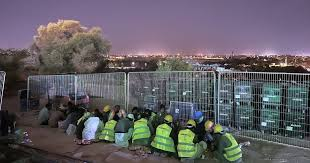
As the holy month of Ramadan approaches in 2026, the focus on labor inspections and worker welfare in Saudi Arabia is becoming increasingly important. This period not only holds religious significance but also presents unique challenges and opportunities for workers across the kingdom. With a diverse workforce that includes many expatriates, understanding the implications of labor inspections during this time is crucial for ensuring the rights and welfare of all workers.
Understanding Labor Inspections During Ramadan
Labor inspections in Saudi Arabia are designed to ensure that employers comply with labor laws and regulations. During Ramadan, these inspections take on a special significance. The month is characterized by altered working hours, cultural sensitivities, and increased scrutiny regarding worker conditions.
Employers are expected to adapt their practices to accommodate the fasting schedule, which can impact productivity and morale. Therefore, labor inspections focus on how companies are managing these changes to ensure that workers’ welfare is prioritized.
The Importance of Worker Welfare in Ramadan
Worker welfare is always a pressing issue, but during Ramadan, it gains added importance. The physical demands of fasting can lead to increased stress for employees. Maintaining a healthy work environment becomes essential to support their well-being.
Employers are encouraged to provide flexible working hours, adequate breaks, and access to hydration. This not only enhances worker satisfaction but also boosts productivity during a time when many are juggling religious commitments alongside their professional responsibilities.
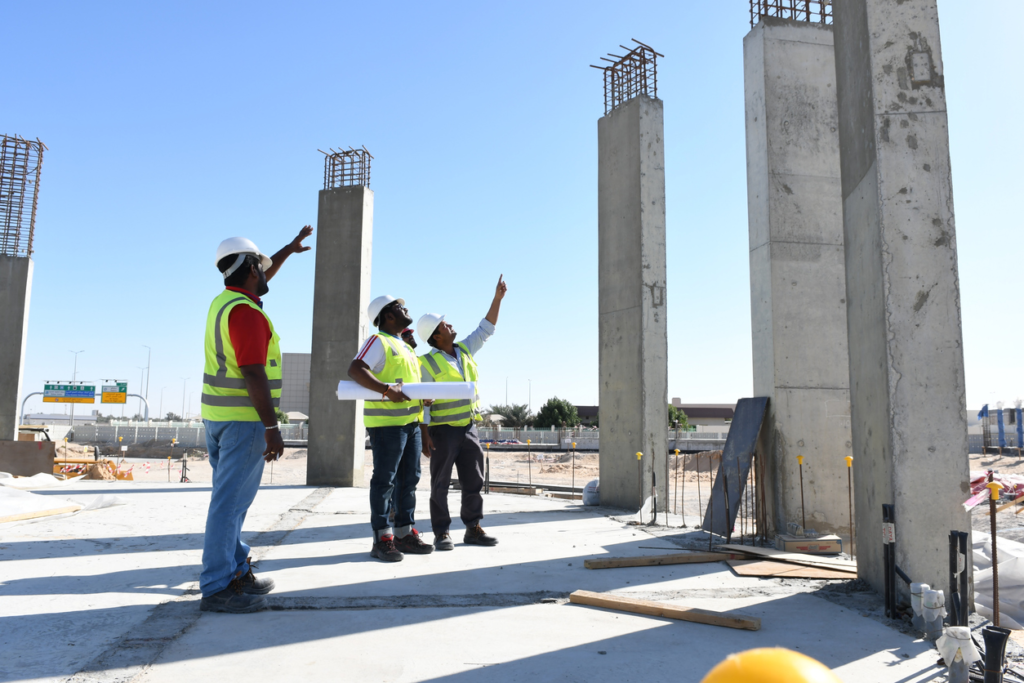
What Are the Key Areas of Focus for Labor Inspections?
Labor inspections during Ramadan will likely emphasize several key areas:
Compliance with Working Hours: Inspectors will assess whether employers are adhering to adjusted working hours that align with Ramadan practices.
Health and Safety Protocols: There will be a focus on ensuring that workplaces are safe and that measures are in place to protect workers, especially with the potential for dehydration and fatigue.
Fair Treatment of Workers: Inspectors will evaluate whether workers are being treated fairly and with respect, particularly in terms of wages, working conditions, and access to essential services.
Support for Expatriate Workers: Given that a significant portion of the workforce consists of expatriates, labor inspections will pay special attention to their rights and welfare.
The Role of Employers in Promoting Worker Welfare
Employers play a critical role in fostering a supportive environment during Ramadan. By implementing policies that prioritize worker welfare, companies can enhance their reputation and ensure compliance with labor laws.
One effective approach is to engage workers in discussions about their needs during this period. Surveys or informal meetings can help employers understand the challenges their workforce faces and how they can provide better support.
Furthermore, creating a culture of respect and empathy can significantly impact worker morale. Initiatives such as providing Iftar meals or ensuring easy access to prayer facilities can go a long way in making employees feel valued.

The Impact of Labor Inspections on Business Practices
Labor inspections are not merely regulatory checks; they can influence how businesses operate. Companies that strive to meet inspection standards often find themselves improving their overall practices. This can lead to:
Enhanced employee loyalty and retention as workers feel cared for.
Better team dynamics, as supportive practices can strengthen workplace relationships.
Increased productivity, as healthier and happier workers are more engaged.
By viewing labor inspections as an opportunity for growth rather than a hurdle, businesses can foster a more positive workplace culture.
Future Trends in Worker Welfare and Inspections
As Saudi Arabia continues to evolve, so too will the landscape of labor inspections and worker welfare. The government is increasingly prioritizing the rights of workers, which suggests that inspections may become more rigorous and frequent.
In the future, technology may also play a role in labor inspections. Digital tools can streamline the inspection process, allowing for more efficient monitoring of compliance with labor laws. Additionally, data analytics can provide insights into worker conditions, enabling proactive measures to enhance welfare.
Conclusion: Embracing a Culture of Care During Ramadan
As we approach Ramadan 2026, the focus on labor inspections and worker welfare in Saudi Arabia is not just about compliance; it’s about creating a supportive environment for all workers. By prioritizing their well-being and adapting to the unique challenges of this holy month, employers can contribute to a more harmonious workplace.
By embracing these values, we can ensure that the spirit of Ramadan is reflected in every aspect of work life, fostering a community where everyone feels respected and valued.
Do follow Gulf Magazine on Instagram.
Also Read – Iraq Ramadan Electricity Challenges and Effective Solutions

