


In a major decision ahead of the Hajj season, Saudi Arabia has temporarily suspended the issuance of certain visa categories for citizens from 14 countries. The suspension includes popular types such as visit, business, Umrah, and tourism visas. One of the most notable countries affected by this move is India, along with others including Pakistan, Bangladesh, Egypt, and Indonesia.
This decision comes just months before the annual Islamic pilgrimage to Mecca—Hajj—which is expected to begin in mid-June 2025. Saudi authorities say the temporary visa suspension is part of new security and crowd management measures aimed at preventing unauthorized individuals from entering the country under misleading purposes and attempting to participate in the pilgrimage illegally.
Why Has Saudi Arabia Suspended Visas?
The move is primarily designed to reduce the number of unauthorized pilgrims who often travel to Saudi Arabia using visit or tourist visas and then attempt to perform Hajj without official registration. In previous years, this issue has led to overcapacity, logistical problems, and even safety concerns during the pilgrimage.
Authorities say that the suspension is also an effort to ensure that only individuals who have gone through the proper channels and received official Hajj permits can perform the pilgrimage. This year, the Saudi government has emphasized that no person will be allowed to perform Hajj unless they have valid Hajj-specific documentation approved by the Ministry of Hajj and Umrah.
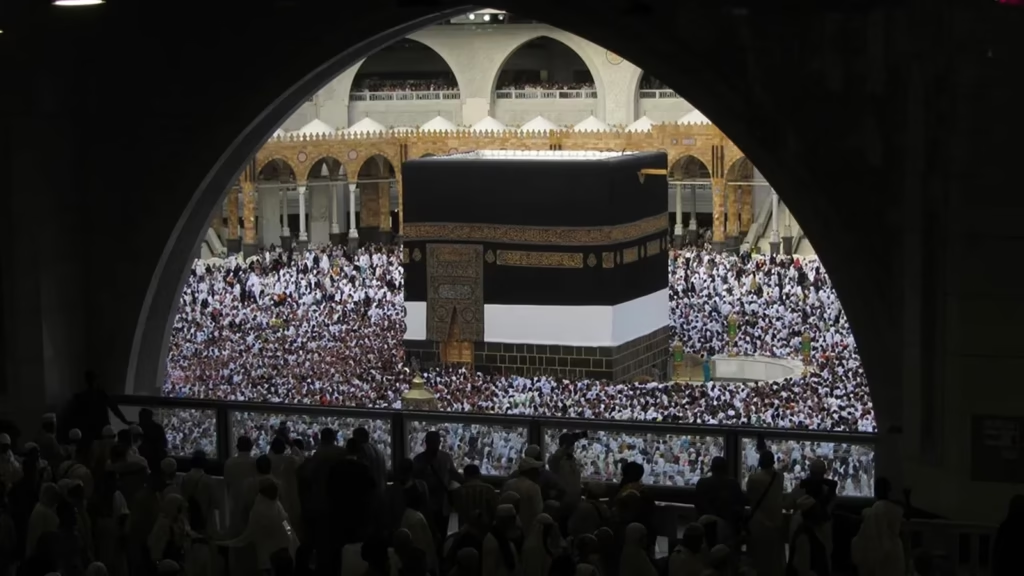
In 2024, a large number of unauthorized pilgrims were reported to have joined the pilgrimage under false visa categories. The overcrowding, combined with the extreme summer heat, created dangerous conditions for both authorized and unauthorized pilgrims. This led to renewed calls for stricter border control and visa monitoring.
List of Countries Affected
The 14 countries whose citizens are currently affected by the visa suspension are:
- India
- Pakistan
- Bangladesh
- Indonesia
- Egypt
- Iraq
- Nigeria
- Jordan
- Algeria
- Sudan
- Ethiopia
- Tunisia
- Yemen
- Morocco
These nations represent a significant portion of the global Muslim population, and many of their citizens regularly travel to Saudi Arabia for religious, family, and business purposes.
Which Visa Categories Are Suspended?
The visa suspension applies to a range of short-term visa types, including:
- Tourist Visas
- Business Visit Visas
- Family Visit Visas
- Umrah Visas
However, not all visas are affected. Long-term residency holders, diplomatic visa holders, and individuals who have already secured official Hajj permits are exempt from the suspension. Those who have received Hajj-specific visas through government channels in their home countries will still be allowed to enter the Kingdom for the pilgrimage.
When Will the Suspension Begin and End?
The suspension is expected to begin on April 13, 2025, and will remain in effect until after the completion of the Hajj season, which typically lasts until the end of June.
According to official sources, travelers from the affected countries who already have valid visas issued before April 13 will still be allowed to enter Saudi Arabia—but only until April 29. After that date, any entry attempt on visit, business, or Umrah visas from these countries will be rejected at ports of entry, including airports and land crossings.
Authorities have urged all affected individuals to plan their travel accordingly and avoid making last-minute arrangements that may result in visa rejections or deportations.
Strict Penalties for Violations
Saudi Arabia has also warned that any individual caught attempting to perform Hajj without an official permit will face strict legal consequences. These penalties include:
- Immediate deportation
- A ban on future entry into Saudi Arabia for up to 10 years
- Hefty fines
- Possible imprisonment for local sponsors or facilitators
These measures are part of the government’s broader strategy to ensure that the pilgrimage is safe, orderly, and conducted in line with Islamic and national regulations.
Saudi Arabia’s Efforts to Manage Hajj
Saudi Arabia welcomes millions of pilgrims every year for Hajj and Umrah. As one of the Five Pillars of Islam, Hajj is a spiritual obligation that every Muslim must fulfill at least once in their lifetime—provided they are physically and financially able.
To accommodate such large numbers, the Saudi government invests heavily in infrastructure, transportation, healthcare, and crowd management. The temporary suspension of visas is being seen as a preventive measure to ensure that resources are not overstretched during one of the busiest times of the year.
This year, Saudi authorities have also launched a digital Hajj and Umrah guide in 16 languages, aiming to educate pilgrims on the correct procedures, safety protocols, and legal obligations. This move is intended to promote awareness among travelers and discourage attempts to bypass the official Hajj registration system.
What Should Travelers Do Now?
People who were planning to travel to Saudi Arabia from any of the 14 affected countries for purposes other than Hajj should check with Saudi embassies or travel agencies for the latest guidelines. Those who already have valid visas should try to enter the country before April 29 if their travel is essential and not related to Hajj.
For individuals wishing to perform Hajj this year, it is recommended to apply only through authorized government channels and official tour operators to avoid any legal or logistical issues.
Impact on Indian Travelers
India sends one of the largest contingents of Hajj pilgrims every year. In 2024, nearly 175,000 Indian Muslims traveled to Mecca for the annual pilgrimage. The visa ban is likely to affect thousands of Indian nationals who planned to visit Saudi Arabia for reasons other than Hajj, such as family visits or religious tourism.
Indian travel agencies have expressed concerns over last-minute cancellations and financial losses, urging the Indian government to open discussions with Saudi authorities to clarify the situation and possibly request exceptions or streamlined solutions.
Final Thoughts
The decision by Saudi Arabia to suspend visa issuance for 14 countries, including India, is a significant step ahead of the 2025 Hajj season. While it may cause temporary inconvenience to many travelers, the primary goal is to maintain the sanctity, safety, and organization of one of the world’s largest annual religious gatherings.
By prioritizing authorized pilgrims and discouraging illegal participation, Saudi Arabia aims to create a safer and more meaningful pilgrimage experience for millions of Muslims from around the world.
As the Hajj season approaches, pilgrims are strongly encouraged to stay informed, follow official guidelines, and ensure they are traveling with the correct documentation to avoid any issues during this sacred journey.

