

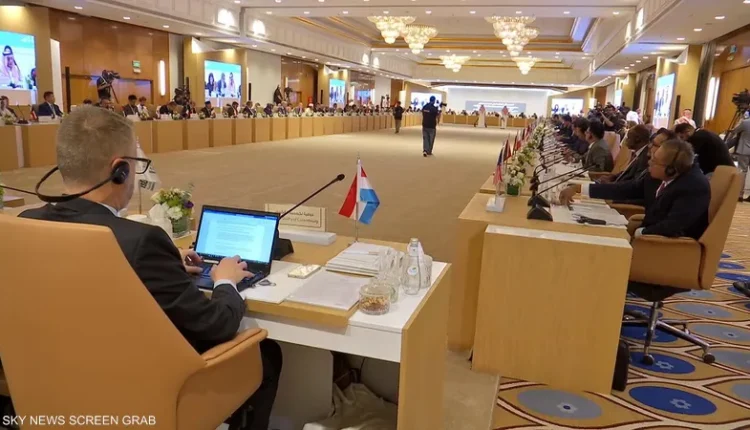
Saudi Arabia has once again stepped into a pivotal global role by hosting a high-level coalition meeting focused on counter-ISIS coordination. The gathering brought together representatives from multiple nations, military officials, security experts, and policy leaders with one shared objective: to strengthen cooperation against the persistent and evolving threat posed by ISIS. At a time when regional and global security faces renewed challenges, the meeting underscored Saudi Arabia’s growing leadership in shaping collective responses to terrorism.
The Riyadh-hosted discussions were not merely symbolic. They reflected a strategic shift toward deeper intelligence sharing, coordinated military planning, and long-term prevention measures. By convening key stakeholders under one roof, Saudi Arabia sent a clear message that counterterrorism efforts must be unified, adaptive, and sustained.
Why the Coalition Meeting Matters Now
Despite losing much of its territorial control, ISIS remains an active and dangerous force. Its networks continue to operate across borders, exploiting political instability, economic hardship, and digital platforms to recruit and inspire attacks. The coalition meeting acknowledged this reality and emphasized that complacency could allow extremist groups to regroup.
The timing of the meeting was critical. Recent security developments in parts of the Middle East, Africa, and beyond have shown that terrorism is not confined to one region. Coalition members agreed that isolated efforts are no longer sufficient. Coordinated global action is essential to counter a threat that has proven both resilient and adaptable.
Addressing Evolving Terror Tactics
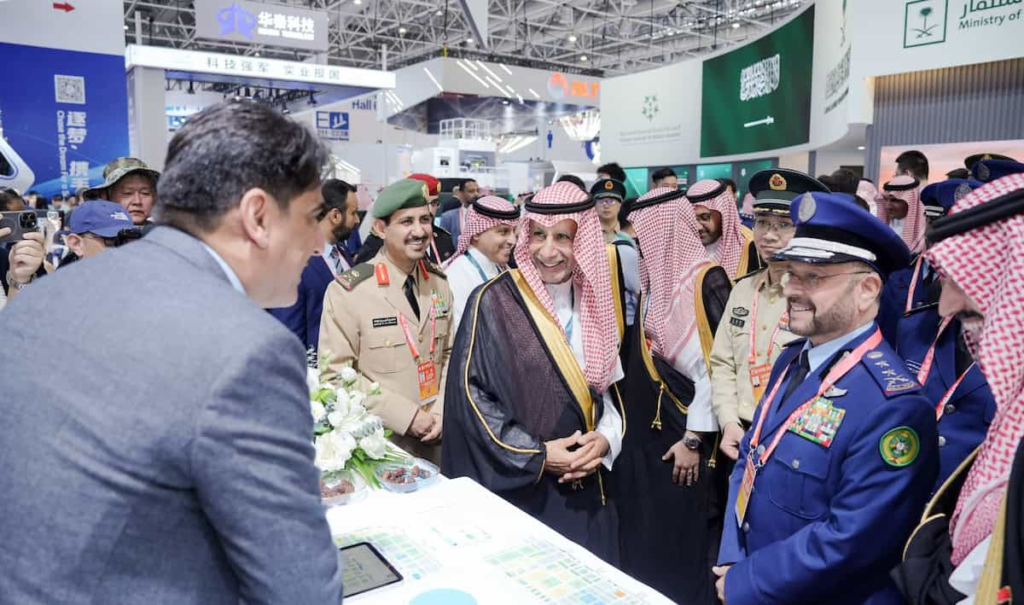
One of the key themes of the meeting was how ISIS has changed its operational methods. Instead of holding territory, the group increasingly relies on lone-wolf attacks, sleeper cells, cyber propaganda, and financial networks that operate discreetly across countries.
Participants discussed the need to update counterterrorism strategies accordingly. Traditional military responses must now be combined with cyber surveillance, financial tracking, and counter-radicalization programs. The coalition emphasized proactive measures rather than reactive responses, focusing on prevention as much as enforcement.
Saudi Arabia’s Growing Leadership Role
Saudi Arabia’s role as host was widely seen as a reflection of its expanding influence in regional and global security affairs. Over the past decade, the Kingdom has invested heavily in counterterrorism infrastructure, intelligence capabilities, and international partnerships.
By hosting the coalition meeting, Saudi Arabia positioned itself not only as a regional power but also as a key convener of global security dialogue. The Kingdom’s ability to bring together diverse nations with varying priorities highlighted its diplomatic reach and commitment to collective security.
A Platform for Strategic Dialogue
Riyadh provided a neutral and structured platform where participants could openly discuss challenges, share insights, and align priorities. Unlike fragmented bilateral talks, the coalition format encouraged transparency and trust among partners.
Saudi officials emphasized that counterterrorism is not just a military issue but a humanitarian and societal one. Extremism thrives where governance is weak and opportunities are limited. Addressing these root causes requires cooperation beyond defense ministries, involving education, economic development, and community engagement.
Key Focus Areas of the Meeting
The coalition meeting was structured around several core areas designed to improve effectiveness and coordination. These discussions aimed to translate shared concerns into actionable outcomes.
Enhanced Intelligence Sharing
One of the strongest points of consensus was the need for faster and more accurate intelligence sharing. Delays or gaps in information can allow extremist threats to go undetected. Coalition members explored ways to streamline communication channels and establish secure mechanisms for real-time data exchange.
By pooling intelligence resources, countries can identify patterns, disrupt networks, and prevent attacks before they occur. The meeting highlighted trust as the foundation of successful intelligence cooperation.
Coordinated Military and Security Operations
While ISIS no longer controls vast territories, coordinated military action remains necessary to dismantle remaining strongholds. Coalition members discussed aligning operational strategies to avoid duplication and ensure maximum impact.
Joint training exercises, shared operational planning, and synchronized missions were identified as tools to strengthen collective capabilities. Saudi Arabia’s experience in coordinating multinational efforts was cited as a valuable asset in this process.
Countering Extremist Ideology
Military victories alone cannot defeat extremism. The coalition meeting placed strong emphasis on countering the ideological narratives that fuel radicalization. Participants discussed initiatives to promote moderate voices, counter online propaganda, and support education systems that encourage critical thinking.
Saudi Arabia highlighted its own efforts to combat extremist ideology through rehabilitation programs and community-based initiatives. These approaches aim to reintegrate individuals and prevent cycles of radicalization.
Regional and Global Implications
The outcomes of the Riyadh meeting extend beyond the immediate fight against ISIS. They signal a renewed commitment to multilateralism in addressing shared security threats. In a world where geopolitical tensions often hinder cooperation, the coalition’s unity stood out as a positive development.
For the Middle East, the meeting reinforced the idea that regional stability is closely tied to global security. Instability in one area can have ripple effects worldwide, from refugee crises to economic disruptions. By strengthening counterterrorism coordination, coalition members aim to reduce these broader risks.
Strengthening Trust Among Allies
Trust is a crucial but often fragile element in international security cooperation. The coalition meeting helped rebuild and reinforce trust by creating space for honest dialogue. Participants acknowledged past challenges while focusing on future collaboration.
Saudi Arabia’s role as host contributed to this trust-building process. By facilitating open discussions and emphasizing shared goals, the Kingdom helped bridge differences and align perspectives.
Human Impact of Counter-ISIS Efforts
Beyond strategy and policy, the meeting also recognized the human cost of terrorism. Millions of people across affected regions have suffered displacement, loss, and trauma due to ISIS violence. Counterterrorism efforts are ultimately about protecting civilians and restoring normalcy to communities.
Coalition members discussed the importance of supporting reconstruction and humanitarian assistance in areas liberated from extremist control. Stability cannot be achieved through security measures alone; it requires rebuilding trust between governments and citizens.
Supporting Communities at Risk
Preventing the resurgence of ISIS means addressing the conditions that allow extremism to take root. Poverty, unemployment, and social marginalization can make communities vulnerable to radical ideologies. The coalition emphasized development-focused approaches alongside security operations.
Saudi Arabia highlighted initiatives aimed at youth empowerment, education, and economic opportunity. These efforts are seen as long-term investments in peace and resilience.
Challenges Ahead

While the coalition meeting marked a positive step, participants were realistic about the challenges ahead. Coordination among multiple countries with different political systems and priorities is complex. Sustaining momentum requires continued commitment, resources, and adaptability.
Another challenge lies in balancing security measures with respect for human rights. Coalition members acknowledged that effective counterterrorism must uphold legal and ethical standards to maintain public trust and legitimacy.
Maintaining Long-Term Commitment
ISIS has shown that it can survive periods of intense pressure by waiting for attention to shift elsewhere. The coalition emphasized the need for long-term vigilance rather than short-term campaigns. Regular meetings, progress reviews, and accountability mechanisms were discussed as ways to maintain focus.
Saudi Arabia’s continued involvement as a convening power will likely play a key role in sustaining this commitment.
A Clear Message to Extremist Groups
Perhaps the most powerful outcome of the meeting was the message it sent to extremist organizations. The unified stance of the coalition demonstrated that ISIS faces a coordinated and determined global response. Attempts to exploit divisions or distractions will be met with collective action.
For citizens around the world, the meeting offered reassurance that governments are working together to address one of the most serious security threats of our time.
Looking Forward
The Saudi-hosted coalition meeting on counter-ISIS coordination marked an important milestone in global counterterrorism efforts. By focusing on cooperation, adaptability, and human-centered approaches, the gathering laid the groundwork for more effective action against extremist threats.
As ISIS continues to evolve, so too must the strategies designed to defeat it. Saudi Arabia’s leadership in hosting and shaping this dialogue reflects a broader commitment to regional stability and global security. The real test will lie in translating discussions into sustained action, but the foundations laid in Riyadh offer a strong starting point for the next phase of the fight against terrorism.
Do Follow Gulf Magazine on Instagram
Read More:- Strategic Leap: Korea–Saudi Defense Partnership Enters Bold R&D Era 2026

