

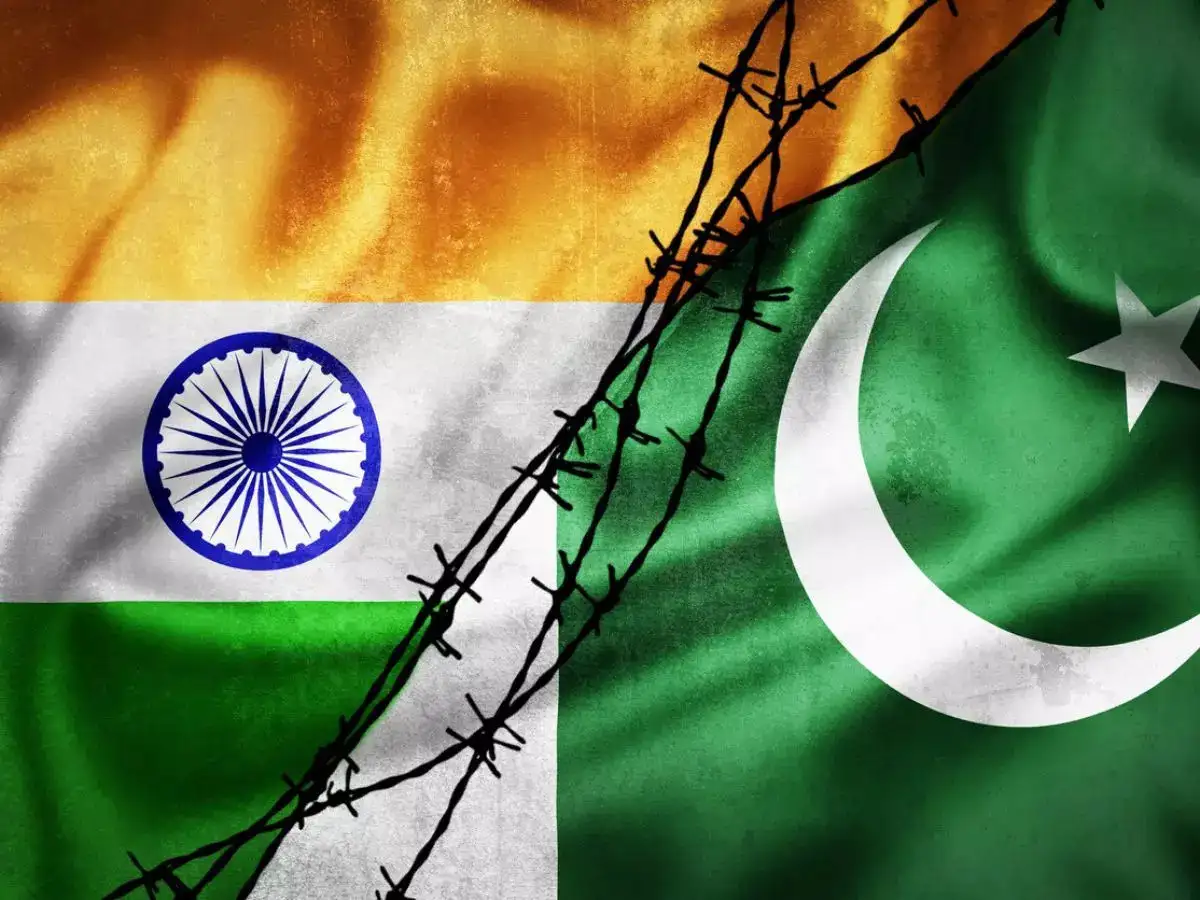
In the aftermath of the deadly Pahalgam attack that shook Jammu and Kashmir, Saudi Arabia Urges Dialogue has stepped up efforts to ease tensions between India and Pakistan. The Gulf kingdom has reached out to both New Delhi and Islamabad, urging them to show restraint and engage in dialogue to avoid any further escalation of the conflict.
The Shocking Pahalgam Attack
On April 22, 2025, the usually peaceful tourist destination of Baisaran Valley in Pahalgam turned into a scene of terror when five heavily armed militants opened fire on tourists. The brutal attack left 26 people dead and more than 20 others seriously injured. Among the victims were women and children, turning a holiday into a horrific tragedy.
Initially, The Resistance Front (TRF), a militant group believed to have ties to Pakistan-based organizations, claimed responsibility for the attack. However, confusing matters, the group later withdrew its statement, leading to even more speculation and finger-pointing between the two neighboring countries.
India’s Strong Response
The Indian government wasted no time in blaming Pakistan for the attack, accusing it of supporting and sheltering terrorist organizations operating across the border. In a series of strong retaliatory moves, India:
- Suspended the Indus Waters Treaty, a key agreement that governs water sharing between the two countries.
- Expelled Pakistani diplomats from New Delhi and withdrew its military advisors from Islamabad.
- Shut down the crucial Wagah-Attari border crossing, halting all trade and civilian movement between the two nations.
- Ordered all Pakistani nationals holding SAARC (South Asian Association for Regional Cooperation) visas to leave India within 48 hours.
On the military front, India also ramped up its preparedness. The Indian Armed Forces conducted missile tests to demonstrate their strength, while security forces in Kashmir detained nearly 500 suspects. Several militant hideouts believed to be connected to the attack were demolished, sending a strong message that India would not tolerate acts of terror on its soil.

Pakistan Denies Allegations
Pakistan, on its part, has firmly denied any involvement in the Pahalgam attack. Islamabad called for a neutral international investigation into the incident, accusing India of using the tragedy to further strain relations.
In response to India’s actions, Pakistan closed its airspace to Indian flights and issued strong warnings, hinting at the potential for serious retaliation. Pakistani officials even made alarming references to their nuclear capabilities, adding a dangerous layer to the already tense situation.
The rising hostility between the two nuclear-armed nations has caused widespread concern across the world, with many fearing that any misstep could lead to a catastrophic conflict.
Saudi Arabia’s Diplomatic Intervention
Recognizing the gravity of the situation, Saudi Arabia has taken an active role in trying to mediate between India and Pakistan. In a move that highlights its growing influence in South Asian affairs, Saudi officials have made urgent calls to the foreign ministers of both countries.
During Indian Prime Minister Narendra Modi’s recent visit to Riyadh, Saudi Arabia strongly condemned the Pahalgam attack. Both nations reaffirmed that terrorism in any form must be opposed, and there can be no justification for such heinous acts.
Saudi Arabia also urged both India and Pakistan to engage in direct talks to resolve their longstanding issues, especially the sensitive Kashmir dispute, which remains at the heart of many conflicts between the two nations.
The Saudi Foreign Minister emphasized that Riyadh is willing to play a constructive role in helping reduce tensions. He stressed that dialogue and diplomacy are the only way forward and offered to act as a mediator if both sides agreed.
Global Reactions
The international community has watched developments with growing concern. The United States has been in close touch with both India and Pakistan, calling for a responsible and peaceful resolution. While expressing solidarity with India over the attack, U.S. officials have urged both sides to avoid any steps that could worsen the situation.
Other global powers, including the United Kingdom, China, and the United Nations, have echoed similar sentiments, calling for calm and restraint. There is a shared understanding that a full-blown conflict between India and Pakistan would have devastating consequences, not just for South Asia but for the entire world.
The Path Ahead
As emotions run high and both countries take firm stances, Saudi Arabia’s diplomatic outreach offers a sliver of hope for de-escalation. The coming days will be crucial. Whether cooler heads prevail will depend largely on how India and Pakistan respond to international calls for peace.
The tragedy in Pahalgam serves as a grim reminder of how fragile peace can be in the region. It also highlights the urgent need for comprehensive dialogue between India and Pakistan, not just after attacks, but consistently, to address their deep-rooted issues.
Saudi Arabia’s move to step in shows that the world is no longer willing to stand by and watch tensions boil over. As the region stands at a crossroads, the hope is that dialogue, not destruction, will guide the way forward.

