

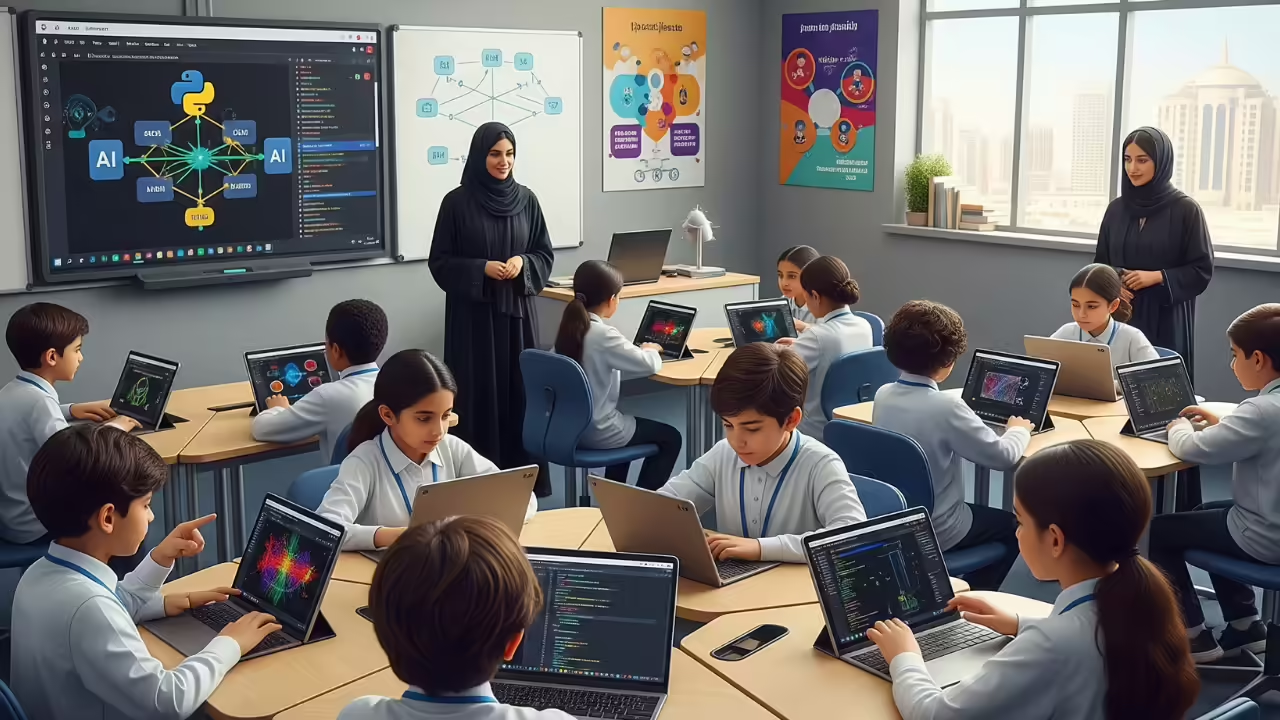
Saudi Arabia Vision 2030 education reforms are reshaping the Kingdom’s academic landscape, aligning learning systems with international standards, and creating opportunities for innovation and global partnerships. Education is a core pillar of Vision 2030, which seeks to diversify the economy, nurture talent, and strengthen the Kingdom’s global competitiveness.
The reforms aim to modernize curricula, enhance digital learning, and provide students with skills that meet the demands of the 21st-century workforce. By fostering collaboration with global institutions, Saudi Arabia is setting the stage for a generation of learners prepared for both national and international challenges.
Modernizing Curricula to Meet Global Standards
At the heart of Saudi Arabia Vision 2030 education reforms is a comprehensive overhaul of curricula. Traditional teaching methods are being replaced with interactive, skills-based learning approaches designed to encourage critical thinking, creativity, and problem-solving.
Key initiatives include:
- STEM-Focused Programs: Emphasizing science, technology, engineering, and mathematics to prepare students for future technological advancements.
- Digital Learning Integration: Incorporating e-learning platforms and virtual classrooms to enhance accessibility and flexibility.
- Critical Thinking and Innovation: Encouraging students to analyze, question, and innovate rather than memorize, aligning with global education trends.
These reforms aim not only to improve academic performance but also to create a workforce capable of competing globally.
Global Partnerships Enhancing Education Quality
Saudi Arabia Vision 2030 education reforms heavily rely on global partnerships with universities, research institutions, and technology providers. By collaborating internationally, the Kingdom ensures its students and educators gain exposure to best practices and cutting-edge knowledge.
Notable partnerships include:
- Collaborations with Leading Universities: Institutions from the US, UK, and Europe are partnering to provide advanced curricula, faculty exchange programs, and joint research initiatives.
- Technology and Innovation Alliances: Partnerships with global tech firms are enhancing digital classrooms, AI-driven learning, and virtual labs.
- Scholarship and Exchange Programs: Thousands of students are sent abroad for higher education, internships, and research opportunities, gaining global exposure.
These partnerships are pivotal in creating a modern, globally aware education ecosystem in Saudi Arabia.
Teacher Development and Capacity Building
A significant component of Saudi Arabia Vision 2030 education reforms focuses on educators. Teachers are receiving professional development programs, training in modern pedagogical methods, and exposure to international teaching standards.
Some key initiatives include:
- Professional Certification Programs: Ensuring teachers are skilled in modern teaching methods and technology integration.
- Global Exchange Programs: Teachers visit international institutions to learn new approaches and bring innovative practices back to Saudi classrooms.
- Performance Incentives: Rewarding excellence in teaching to motivate educators and ensure continuous improvement.
By empowering teachers, the reforms aim to enhance the overall quality of education and create a thriving learning environment for students.
Emphasis on Technology and Digital Learning
Saudi Arabia Vision 2030 education reforms place strong emphasis on integrating technology into classrooms. This digital transformation supports personalized learning, enhances student engagement, and prepares students for careers in emerging sectors such as AI, robotics, and cybersecurity.
Key digital initiatives include:
- Smart Classrooms: Equipped with interactive boards, AI tools, and e-learning platforms.
- National Digital Learning Platforms: Providing access to online resources, courses, and virtual laboratories.
- Coding and Robotics Programs: Introducing students to advanced technologies early in their education journey.
These initiatives are helping the Kingdom bridge the gap between traditional education and the demands of a modern, technology-driven economy.
Promoting Lifelong Learning and Skills Development
Saudi Arabia Vision 2030 education reforms emphasize lifelong learning and vocational training. Recognizing that learning does not stop after formal education, the reforms encourage skills development for all age groups.
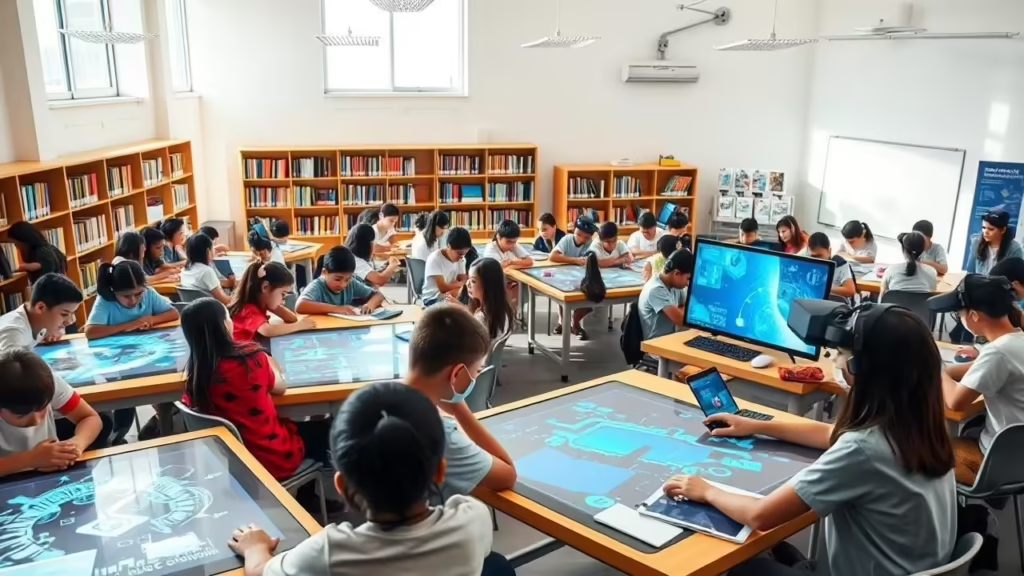
Important initiatives include:
- Vocational Training Centers: Offering programs in technical skills, entrepreneurship, and digital competencies.
- Adult Education and Reskilling Programs: Enabling adults to upgrade skills and adapt to a rapidly evolving job market.
- Innovation and Entrepreneurship Hubs: Supporting students and young professionals in developing startups and innovative solutions.
By promoting continuous learning, the Kingdom aims to cultivate a highly skilled, adaptable workforce for the future.
Fostering Research, Innovation, and Knowledge Economy
Saudi Arabia Vision 2030 education reforms are also focused on transforming the country into a knowledge-based economy. Research and innovation are being prioritized to stimulate technological advancements and economic diversification.
Key developments include:
- Research Grants and Funding: Supporting scientific studies, technological innovation, and applied research projects.
- Innovation Centers: Encouraging students and researchers to create solutions for real-world challenges.
- University-Industry Collaborations: Bridging academic research with practical applications in business and technology sectors.
These efforts aim to position Saudi Arabia as a global leader in knowledge, innovation, and education.
Impact on Students and Society
The comprehensive approach of Saudi Arabia Vision 2030 education reforms is producing tangible results for students and society:
- Global Competence: Students gain skills aligned with international standards and global career opportunities.
- Enhanced Employability: Graduates are equipped with technical and soft skills demanded by modern employers.
- Societal Growth: Education reforms contribute to social development, economic diversification, and national prosperity.
By fostering both personal and professional growth, these reforms are paving the way for a brighter, more prosperous Saudi Arabia.
Conclusion: A Transformative Vision for the Future
Saudi Arabia Vision 2030 education reforms, combined with strategic global partnerships, are revolutionizing the Kingdom’s education landscape. By modernizing curricula, integrating technology, empowering teachers, and fostering international collaborations, the reforms are equipping students for a dynamic and competitive global economy.
As the Kingdom continues to invest in education and innovation, these initiatives will play a vital role in achieving Vision 2030’s broader goals of economic diversification, social development, and global prominence.
Do Follow Gulf Magazine on Instagram
Also read: Oman Extends Deadline for 200MW Wind Project Bids

