

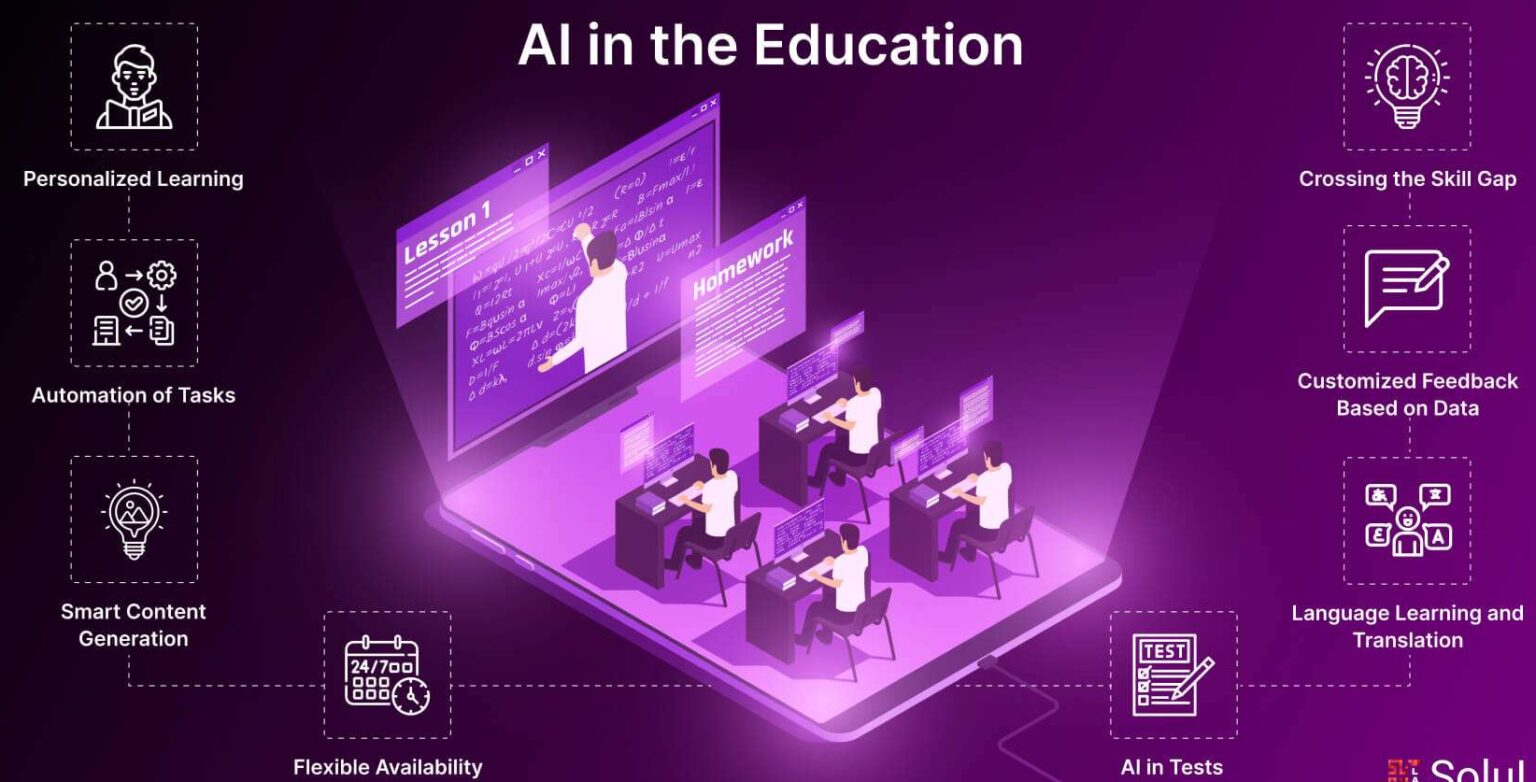
The role of AI in Saudi Arabia’s modern education system is becoming more important than ever. Artificial Intelligence is reshaping classrooms, enhancing digital learning, and creating personalized education experiences for students across the Kingdom. As Saudi Arabia moves towards its Vision 2030 goals, AI is emerging as a major tool in making learning smarter, faster, and more effective.
In this article, we explore how AI is contributing to the country’s educational reform and how students, teachers, and policymakers are responding to these changes.
AI and Vision 2030
Saudi Arabia’s Vision 2030 is a national plan focused on transforming various sectors, including education. The government aims to build a knowledge-based economy and equip its youth with future-ready skills. AI technology is helping achieve this goal by modernizing the way subjects are taught and how students learn.
With a strong push from the Ministry of Education and institutions like the Saudi Data and Artificial Intelligence Authority (SDAIA), AI tools are being implemented in schools and universities to improve the overall learning experience.
1. Personalized Learning for Every Student
One of the biggest advantages of AI in Saudi education is the ability to provide personalized learning. Traditional classrooms often struggle to meet the needs of every student. But AI can adjust lessons based on the student’s performance, speed, and understanding.
For example, adaptive learning platforms can offer quizzes and tasks that match the student’s ability level. This helps slow learners catch up and fast learners move ahead. It ensures no student is left behind, which aligns with the Kingdom’s inclusive educational goals.
2. Smart Classrooms with AI Technology
Saudi Arabia is investing in smart classrooms that include AI-powered systems like interactive boards, voice assistants, and smart cameras. These tools can analyze classroom behavior, track student attention, and even suggest better teaching methods to educators.
AI helps teachers plan more effectively by showing which topics students struggle with and which need more time. It reduces teacher workload by automating tasks like grading, attendance, and homework checking. This allows teachers to focus more on student engagement and creativity.
3. AI in Language Learning and Special Education
The Kingdom is home to many students from different linguistic backgrounds. AI is being used to support English and Arabic language learning through voice recognition apps and translation tools.
In special education, AI offers tremendous value. Children with disabilities now benefit from speech-to-text tools, virtual tutors, and emotion-detection software. These tools create more opportunities for students who were previously underserved.
AI is also used in assessments to understand the emotional and cognitive development of special needs students, helping teachers to adapt their teaching styles accordingly.
4. Online and Remote Learning Revolution
During the COVID-19 pandemic, online learning became a necessity. Today, AI is helping Saudi Arabia take online education to the next level. AI-driven platforms are now capable of creating customized online courses, tracking student progress, and providing instant feedback.
Platforms like Madrasati and Noon Academy use AI features that support interactive learning and gamified experiences. Students can learn at their own pace and receive support anytime, anywhere.
Remote learning is no longer just an option; it has become a core part of the education system, supported strongly by AI innovations.
5. Data-Driven Decisions for Better Education
AI tools collect and analyze vast amounts of data from students, teachers, and schools. This data is used to identify learning gaps, improve curriculum design, and measure the effectiveness of teaching methods.
For example, the Ministry of Education can use AI data to find out which schools need more support, which regions perform well, and where investment is required. These insights help in making data-driven decisions that benefit the entire education system.
AI is not only supporting classroom learning but also influencing high-level policy making in Saudi Arabia.
Challenges and Concerns
While the role of AI in Saudi Arabia’s modern education system is promising, it is not without challenges. Many schools still lack the infrastructure and trained staff to use AI tools effectively.
There are also concerns around data privacy, student surveillance, and the potential loss of human touch in education. These issues must be addressed through strict policies, ethical guidelines, and teacher training programs.
Moreover, AI should be used as a tool to support—not replace—teachers. The goal should always be to enhance human teaching, not eliminate it.
Future Outlook: AI Will Play a Bigger Role
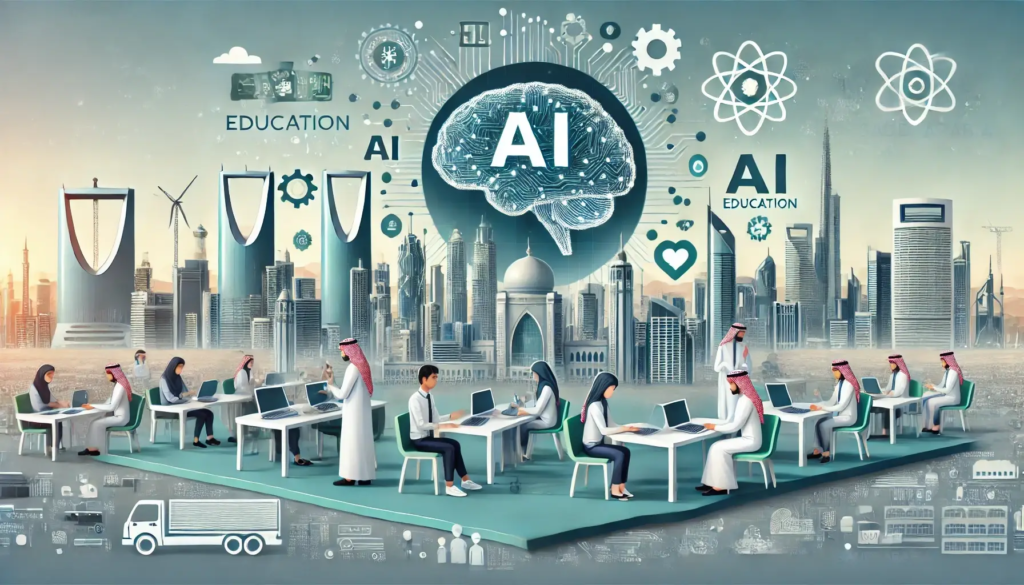
As Saudi Arabia continues to invest in AI research and digital infrastructure, the role of AI in education will only grow. With more smart tools, personalized learning platforms, and AI-powered assessments, the future of education in the Kingdom looks bright.
The government is also encouraging public-private partnerships to develop new educational technologies and support innovation. Universities like King Saud University and King Abdullah University of Science and Technology are already working on advanced AI projects related to education.
Final Thoughts
The role of AI in Saudi Arabia’s modern education system is a game-changer. It empowers students, supports teachers, and guides policymakers toward better decisions. With the right approach, AI can close educational gaps, promote inclusion, and prepare the Saudi youth for global challenges.
As the Kingdom moves closer to achieving its Vision 2030 goals, AI will remain a key part of its educational success story. The journey has just begun, but the impact is already visible in classrooms, online platforms, and national policies.
Also Read – Top 7 Food Bloggers in Kuwait Inspiring Delicious Food Trends

