

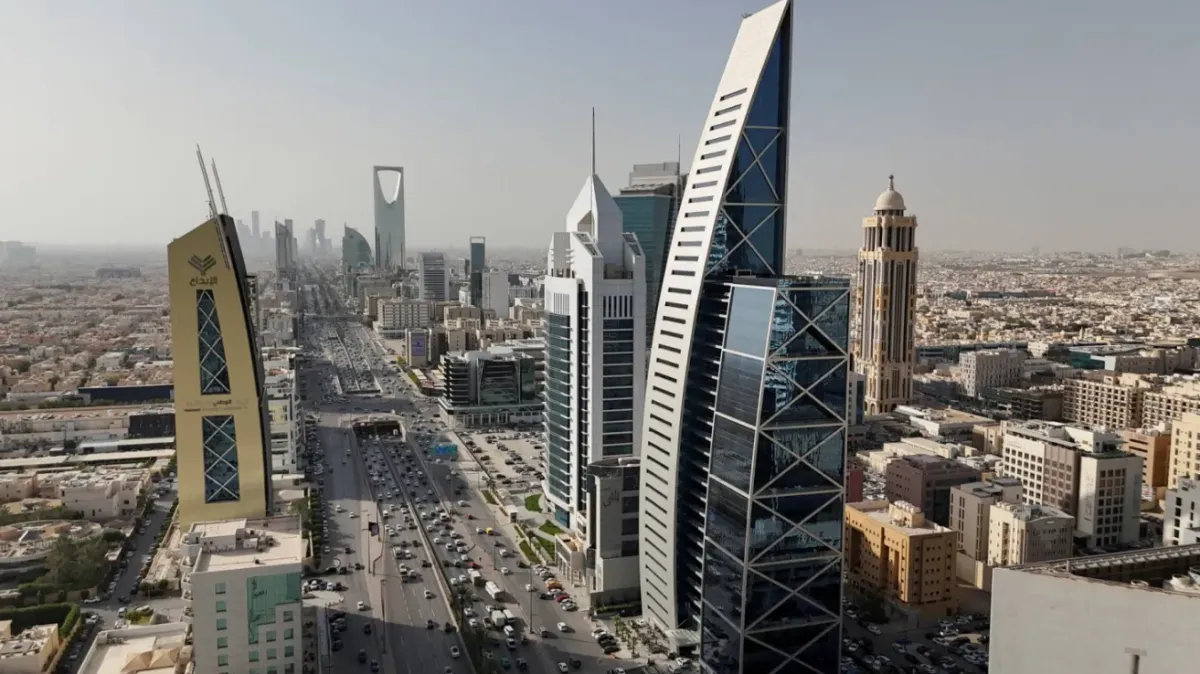
Saudi Arabia has unveiled its 2026 national budget, marking another decisive step toward achieving the Kingdom’s Vision 2030 transformation goals. Despite projecting a fiscal deficit, the strategy reflects confidence, ambition, and long-term planning. Rather than viewing the deficit as a setback, the government sees it as an investment—fueling mega-projects, accelerating diversification, and creating opportunities that will define the next decade. The 2026 budget highlights a commitment to sustainable development, human capital, innovation, and a dynamic economy capable of thriving beyond oil.
A Vision-Aligned Budget for Long-Term Prosperity
The Kingdom’s decision to approve a deficit-based budget comes as part of a broader strategy to fast-track high-impact initiatives. This approach allows Saudi Arabia to maintain momentum on its flagship projects, from futuristic cities to cutting-edge infrastructure, all aligned with Vision 2030.
Government leaders have emphasized that the budget is not merely a financial document but a roadmap for long-term national progress. The focus remains on building a diversified economy, creating jobs, enhancing quality of life, and fostering a globally competitive business landscape. Through strategic spending, the nation aims to ensure continued growth while strengthening sectors such as tourism, technology, renewable energy, mining, logistics, and manufacturing.
Boosting Investments in Transformational Projects
Mega-Projects at the Heart of Growth
Saudi Arabia continues to invest heavily in mega-projects such as NEOM, The Line, Red Sea developments, Diriyah Gate, and Qiddiya. These projects are designed to reshape economic possibilities, attract global investors, and position the Kingdom as a world-class destination for innovation and lifestyle experiences.
The 2026 budget strategically allocates funds to keep these developments on schedule, ensuring that they deliver long-term returns. This spending reinforces confidence among international partners and signals that the Kingdom remains committed to its ambitious transformation timeline.
Diversification as a National Priority
A planned deficit enables continued investment in sectors that support diversification. Non-oil activities have become a major contributor to growth in recent years, and the government plans to accelerate this shift.
Key focus areas include digital industries, logistics hubs, clean energy, entertainment, mining, manufacturing, and cultural tourism. Each investment is carefully aligned with the broader goal of reducing dependence on hydrocarbons and building a sustainable, competitive economy.
Strengthening Human Capital for a Competitive Future
Education and Skills Development
A more inclusive and diversified economy requires a dynamic and skilled workforce. The 2026 budget enhances investments in education, vocational training, and advanced skill development. The aim is to empower Saudi citizens with access to modern education, digital skills, and the tools needed to succeed in emerging sectors.
The government continues to support scholarships, partnerships with international universities, and the expansion of training centers across the Kingdom, ensuring that young Saudis are prepared for the jobs of tomorrow.
Empowering Youth and Women
Human development remains a central theme of Vision 2030, and the new budget reinforces initiatives aimed at increasing workforce participation. Programs supporting women’s employment, entrepreneurship, and leadership remain a priority.
For the youth, the focus is on enabling innovation, supporting startups, and providing opportunities in fields such as AI, cybersecurity, e-commerce, fintech, and renewable energy.
Catalyzing Private Sector Expansion
Encouraging Local and Global Investments
One of the main objectives of Saudi Arabia’s fiscal strategy is to strengthen the role of the private sector. Through incentives, regulatory reforms, and infrastructure development, the government aims to increase private sector contribution to GDP.
The 2026 budget continues to create a business-friendly environment, encouraging companies to participate in national projects and invest in promising sectors. International investors view the Kingdom as a strong and stable market, supported by clear long-term plans and expanding opportunities.
Public-Private Partnerships on the Rise
The budget highlights the government’s intention to deepen partnerships with private institutions. Public-private collaborations are expected to play a significant role in infrastructure, healthcare, tourism, technology, and education.
This approach helps distribute project risks, enhance innovation, and bring efficiency to large-scale development initiatives.
Expanding Infrastructure for a Modern Economy
Building a Connected Nation
Infrastructure spending continues to be one of the major pillars of Saudi Arabia’s economic transformation. Investments in roads, airports, renewable power grids, smart cities, and digital infrastructure are expected to accelerate in 2026.
These developments not only support economic competitiveness but also improve daily life for residents and workers. Enhanced connectivity is essential for attracting investment, boosting tourism, and enabling the smooth movement of goods and people across the Kingdom.
Digital Transformation as a Growth Engine
Saudi Arabia’s digital transformation strategy is among the most advanced in the region. The 2026 budget builds on this momentum with increased investments in AI, cloud computing, cyber resilience, and advanced data systems.
These initiatives strengthen innovation, attract global tech companies, and enable the Kingdom to position itself as a regional digital powerhouse.
Advancing Renewable Energy and Sustainability
A Balanced and Sustainable Energy Mix
As part of Vision 2030, Saudi Arabia aims to become a leader in clean energy. The new budget includes allocations for solar, wind, green hydrogen, and carbon reduction technologies. These investments are essential for balancing energy needs while reducing emissions and promoting environmental responsibility.
Enhancing Environmental Protection Programs
Alongside renewable energy investments, the government is also directing funds toward environmental preservation, water conservation, waste management, and afforestation. These programs demonstrate a national commitment to creating a healthier, cleaner, and more sustainable future.
Healthcare, Quality of Life, and Social Development
Strengthening Healthcare Infrastructure
The health sector remains a core priority for the Kingdom. The 2026 budget supports the expansion of hospitals, medical research centers, digital health systems, and community health programs.
A modern healthcare ecosystem is vital not only for citizens’ well-being but also for supporting economic productivity and ensuring social stability.
Enhancing Community Services and Quality of Life
Saudi Arabia’s continued investments in culture, sports, housing, and public services aim to enrich the daily lives of residents. The government recognizes that economic growth must be accompanied by improvements in overall quality of life.
Initiatives supporting affordable housing, public parks, cultural festivals, and sports facilities create vibrant, inclusive communities where people can thrive.
Why a Planned Deficit Strengthens the Growth Strategy
A Strategic Investment, Not a Risk
A deficit can often be perceived as a sign of financial strain, but in Saudi Arabia’s case, it represents strategic spending. By choosing to invest heavily today, the government aims to secure stronger and more diverse growth for the future.
This proactive approach ensures that transformation projects stay on track and deliver measurable economic impact.
Long-Term Returns Expected
Mega-projects, digital transformation, clean energy initiatives, and infrastructure expansions are not short-term ventures. They are designed to generate long-term returns, create jobs, attract investment, and position Saudi Arabia as a leading global economy.
The 2026 budget reflects a belief in the Kingdom’s future and its ability to transform opportunities into sustainable prosperity.
A Confident Step Toward Vision 2030
Saudi Arabia’s approval of the 2026 budget underscores its commitment to achieving the transformational goals of Vision 2030. By choosing to strategically spend—even with a planned deficit—the government is demonstrating a forward-looking perspective rooted in confidence, resilience, and ambition.
The Kingdom is building a diversified economy that nurtures talent, fosters innovation, and supports the aspirations of its people. Each investment made today is a step toward a stronger, more dynamic, and globally connected Saudi Arabia.
Conclusion
The 2026 budget is much more than a financial plan. It is a declaration of purpose, a demonstration of national confidence, and a roadmap guiding the Kingdom toward the ambitious milestones of Vision 2030. With bold decisions, strategic spending, and an unwavering commitment to progress, Saudi Arabia is positioning itself as a global leader prepared for the future. The planned deficit is not a challenge but a catalyst—propelling the Kingdom’s transformation into a new era of prosperity and opportunity.
Do Follow Gulf Magazine on Instagram
Read More:- Kuwait Strikes Gold With Three Massive Offshore Oil Discoveries 2025

