

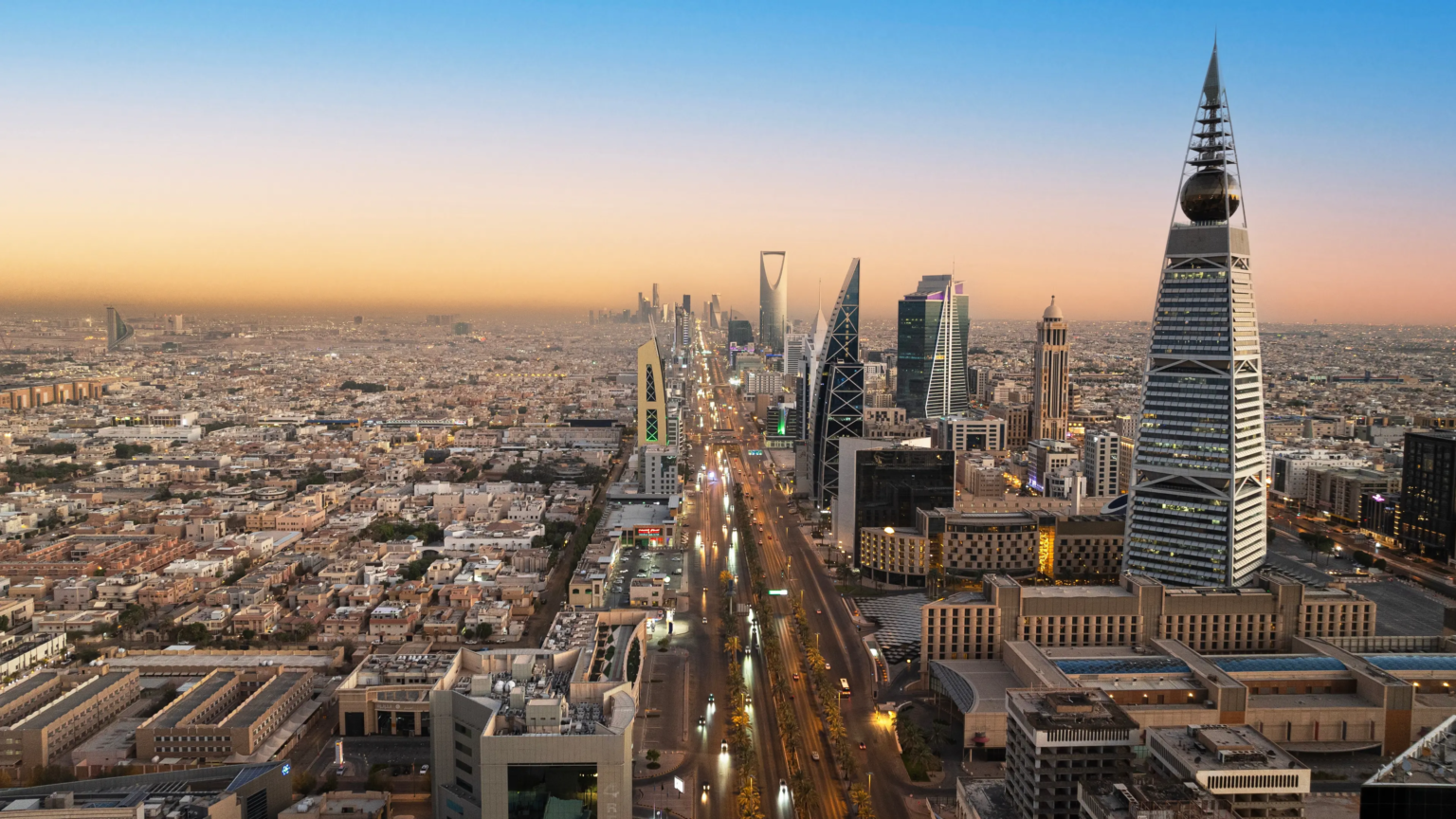
Saudi Arabia is entering a transformative chapter, and one of its latest moves has sparked worldwide attention. The Kingdom is reportedly considering opening controlled alcohol outlets in Jeddah and Dammam, a significant shift that reflects its ambitious plan to attract more global companies, executives, expatriates and international travellers.
Under Crown Prince Mohammed bin Salman’s Vision 2030, the nation aims to diversify its economy, reduce reliance on oil and build a more investor-friendly environment. This potential policy change is not merely about alcohol—it represents a broader attempt to compete directly with global business hubs such as Dubai, Singapore and Hong Kong.
The move is also symbolic. It signals Saudi Arabia’s readiness to embrace reforms that align with global expectations, particularly for multinational companies looking to establish regional headquarters in the Middle East.
Why Saudi Arabia Is Considering This Change Now
Saudi Arabia has been rapidly modernising its infrastructure, tourism and business landscape. Introducing regulated alcohol outlets for non-Muslims fits into a much larger strategy:
1. Attracting Multinational Corporations
For global businesses, lifestyle standards for their employees often play a crucial role in relocation decisions. Many executives and expatriates consider access to leisure activities, international norms and everyday comfort when deciding whether to move to a new region.
By offering controlled alcohol access similar to other major business hubs, Saudi Arabia hopes to make relocation more appealing and support its push to bring regional headquarters into the Kingdom.
2. Elevating the Tourism Experience
With new initiatives such as NEOM, the Red Sea Project and Diriyah Gate, Saudi Arabia is stepping into the global tourism spotlight. To compete with other destinations, it aims to offer an experience that feels familiar and welcoming to international travellers while maintaining cultural authenticity and regulation.
3. Strengthening Its Competitive Edge in the Gulf
The Gulf region already features strong competitors—particularly Dubai, which has built its reputation on openness for investors and tourists. Saudi Arabia’s potential introduction of alcohol outlets is a strategic decision to level the playing field and capture a larger share of global investment.
What the Alcohol Outlets Might Look Like
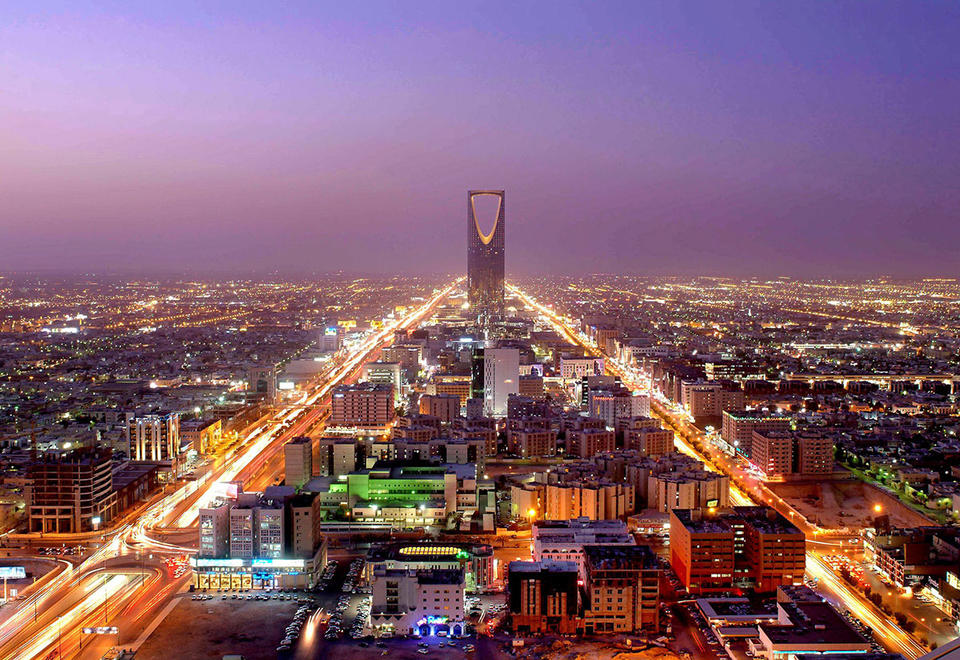
While final decisions are yet to be confirmed, reports suggest these outlets will be:
- Highly regulated and controlled
- Accessible only to non-Muslims
- Located in restricted zones, likely near expat districts or business hubs
- Designed to serve diplomats, multinational staff and foreign travellers
The aim is not to create an open market but to manage access in a structured and supervised environment—much like other conservative nations that allow alcohol under strict rules.
This approach respects cultural and religious values while still addressing global expectations for lifestyle flexibility.
Potential Impact on Foreign Investment
A More Attractive Environment for Global Executives
For many multinational firms, relocating teams to Saudi Arabia currently poses lifestyle challenges. The availability of alcohol—even in a regulated setting—could ease the concerns of international employees who are accustomed to certain freedoms.
This change, paired with the Kingdom’s ongoing economic reforms, may strengthen Saudi Arabia’s appeal for long-term investment.
Boost to Hospitality and Tourism Sectors
High-end hotels, luxury resorts and beach destinations could see increased demand from Western travellers who may have previously chosen other Gulf destinations for convenience and familiarity.
Enhanced Reputation as a Global Business Hub
Saudi Arabia’s economic ambitions require global trust and confidence. Introducing these outlets could signal that the country is serious about aligning with international norms and welcoming global talent.
Public Reactions and Cultural Considerations
The topic is sensitive, given Saudi Arabia’s cultural and religious foundation. However, the proposed regulations emphasize that:
- Alcohol access would remain strictly limited.
- The policy would not affect or change cultural values for Saudi citizens.
- Controls would be tight to prevent misuse or public visibility.
Many residents understand that Saudi Arabia’s economic future relies on an influx of global talent, and reforms like these serve a larger national goal.
How This Fits Into Vision 2030
Vision 2030 is a comprehensive roadmap that aims to reshape the Kingdom’s future. Key goals include:
Expanding Tourism
Saudi Arabia wants to welcome 100 million tourists annually. To achieve this, it must meet international expectations for comfort, entertainment and leisure while honouring local culture.
Creating a Modern Lifestyle Environment
By offering world-class dining, entertainment and hospitality, the Kingdom seeks to modernise its cities and create dynamic environments that attract young professionals from around the world.
Building Economic Sustainability
Diversifying away from oil is crucial. Encouraging global firms to base their operations in Saudi Arabia will strengthen non-oil sectors such as technology, construction, hospitality and retail.
Why Jeddah and Dammam?
These two cities are strategically significant.
Jeddah
As the gateway to Mecca and Medina and a major commercial port on the Red Sea, Jeddah attracts millions of visitors annually. It is also a growing centre for tourism, business and cultural exchange.
Dammam
Located in the Eastern Province, Dammam hosts many international companies due to its proximity to major industrial zones and the headquarters of energy giants. It also has a large expatriate population, making it a practical location for controlled alcohol access.
Both cities serve as commercial powerhouses with diverse populations, making them ideal for the initial rollout of such reforms.
Could This Transform Daily Life for Expats?
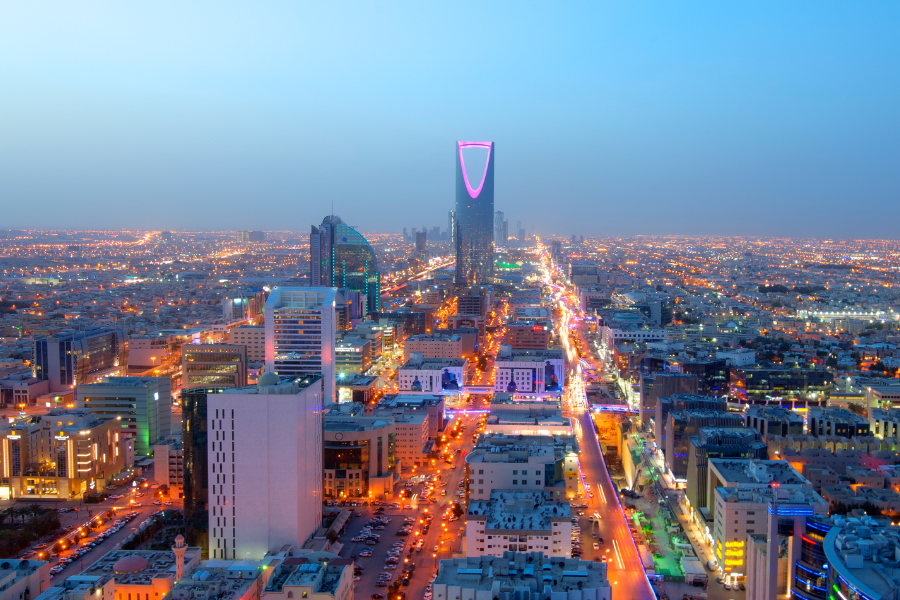
For expatriates, especially those from Western nations, controlled alcohol access is often considered part of a normal lifestyle. If Saudi Arabia introduces this option, it could:
- Increase comfort for newly relocated professionals
- Improve retention rates for foreign workers
- Boost social and community activities within expat zones
- Encourage tourism to stay longer and explore more
This level of convenience helps Saudi Arabia compete with international cities that are already well-established expatriate hubs.
What This Means for Travellers
The move could open the door for:
- More international leisure travellers
- Business professionals who extend trips for tourism
- Conferences and global events seeking modern amenities
- Luxury travellers who expect flexible services
Saudi Arabia’s growing list of mega-projects already offers stunning natural landscapes, futuristic cities and historical heritage. Adding lifestyle flexibility makes these destinations even more appealing.
A Turning Point in the Kingdom’s Global Strategy
Saudi Arabia has been steadily rolling out reforms over the past few years—expanding entertainment options, enhancing women’s rights, opening tourist visas and hosting global events. The consideration of alcohol outlets in Jeddah and Dammam is another step in its evolution toward becoming a global economic powerhouse.
It highlights a confident, strategic approach to growth—one that respects cultural identity while embracing global expectations.
Conclusion
Saudi Arabia’s possible introduction of regulated alcohol outlets marks a defining moment in its economic transformation. Designed to attract multinational companies, international travellers and top-tier talent, the move aligns closely with Vision 2030’s goals.
By strategically balancing tradition with modernisation, the Kingdom aims to strengthen its global standing and create a more welcoming environment for the world. Jeddah and Dammam, two dynamic and diverse cities, represent the starting point for reforms that could reshape Saudi Arabia’s future in business, tourism and international investment.
As the nation continues its journey toward becoming a leading global hub, each progressive step sends a clear message: Saudi Arabia is open, evolving and ready for the world.
Do Follow Gulf Magazine on Instagram
Read More:- Saudi: Fourmaux Fights Back Strong After Surprising Rally Penalty 2025

