

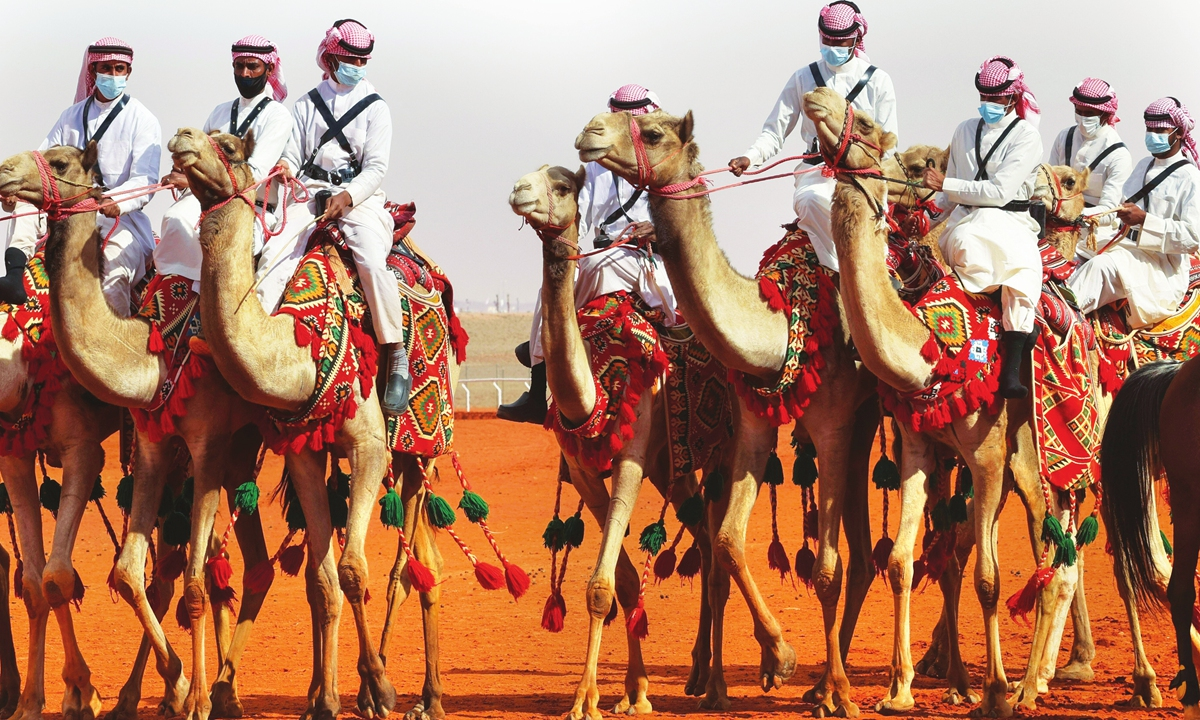
In an unprecedented move, Saudi Arabia is set to issue passports for camels. Yes, you read that right camels, the iconic animals of the desert, are now officially getting their own travel documents. This initiative may sound quirky at first, but it has deep cultural, economic, and health-related significance for the kingdom.
For centuries, camels have played a vital role in Saudi Arabian culture. They are not only symbols of heritage but also important participants in racing competitions, beauty contests, and even the livestock trade. With the introduction of official passports, Saudi Arabia is aiming to modernize camel management while preserving this rich tradition.
Why Camels Need Passports
Camels are more than just animals in Saudi Arabia; they are assets. Many of them are prized racing camels that fetch high prices, sometimes in the millions of dollars. When these camels travel to neighboring countries for competitions or sales, ensuring their safety, health, and identification becomes essential.
The new passport system will provide each camel with a unique identity. It will include details such as age, breed, ownership, and vaccination records. This means authorities can track the movement of camels across borders, reducing the risk of theft and fraud.
Boosting Economic and Cultural Importance
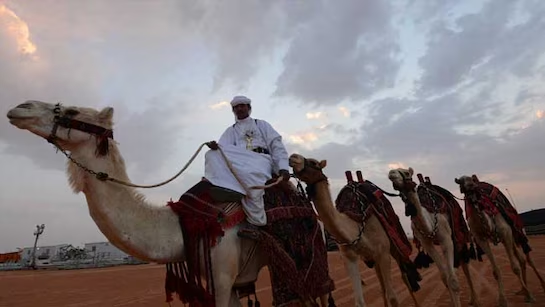
Camels contribute significantly to the Saudi economy. Racing competitions attract huge investments, and camel beauty contests have become global attractions. With passports, owners can participate in international events more easily, boosting the country’s reputation in the livestock and cultural sectors.
Furthermore, the system will streamline the process for buying and selling camels. A verified passport ensures transparency, helping buyers confirm the camel’s authenticity and medical history before making large investments.
Health and Safety Benefits
One of the most important reasons for introducing camel passports is health monitoring. Camels, like any livestock, can carry diseases that may spread across borders. By recording vaccination and health details in a passport, authorities can quickly identify and isolate any potential health risks.
This proactive approach safeguards both animals and humans. In addition, the passport system helps track camels during long journeys, ensuring they receive proper care and reducing the risk of mistreatment or neglect.
Modernizing Tradition Without Losing Heritage
Saudi Arabia is striking a delicate balance between innovation and tradition. Camels have been part of the desert culture for thousands of years, yet the modern world requires new systems for management and protection. Passports allow camels to participate safely in a global economy while still honoring their historical importance.
By embracing this initiative, Saudi Arabia also highlights its commitment to animal welfare. Owners are now encouraged to maintain proper records and provide better care, ensuring camels live healthier, longer lives.
International Recognition and Trade Opportunities
The passport system also opens doors for international recognition. Saudi camels participating in competitions or trade abroad will have verified identities, building trust with foreign buyers and event organizers. This could lead to increased export opportunities, higher investment in the camel industry, and stronger cultural ties with neighboring countries.
Camels: A Symbol of National Pride
Beyond economic and health reasons, camels hold symbolic value. They are a living testament to Saudi Arabia’s heritage, resilience, and desert traditions. Giving them passports is a statement that the kingdom values these animals not just as livestock, but as cultural icons worthy of recognition and protection.
The move has sparked excitement among camel owners, enthusiasts, and the general public. Social media is buzzing with conversations about camels traveling internationally with official documents, creating a sense of pride and fascination across the nation.
Looking Ahead: A New Era for Camels
With passports, camels are entering a new era. They are now part of a regulated system that ensures their health, tracks their movements, and boosts their international presence. This initiative could inspire other countries with significant camel populations to consider similar measures, potentially setting a global standard for camel care and management.
Saudi Arabia’s decision shows that tradition and modernization can coexist. By safeguarding cultural heritage while embracing innovative solutions, the kingdom is setting an example of responsible animal management and forward-thinking policy.
Camels with passports might have seemed impossible a few years ago, but today, they represent a bold step toward combining heritage, economics, and animal welfare in a way that is uniquely Saudi.
Do Follow Gulf Magazine on Instagram
Read More:- Somalia and Saudi Arabia Unite to Strengthen Regional Security Powerfully 2026

