


Saudi Arabia’s Digital Transformation: Salam’s Pivotal Role in Connectivity and Cloud Services
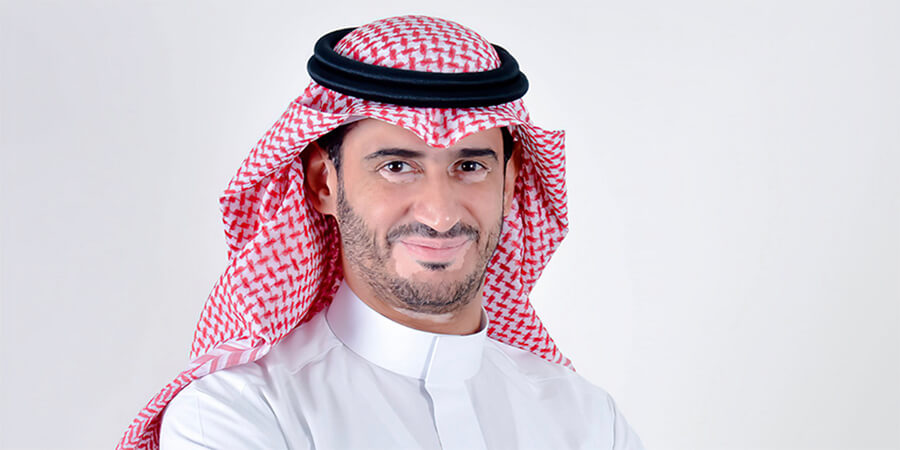
Saudi Arabia is undergoing a significant digital transformation, aiming to diversify its economy and establish itself as a regional technology hub. Central to this evolution is Salam, a leading telecommunications company, which is actively enhancing the nation’s digital infrastructure. In a recent interview, Amjad Arab, Chief Wholesale and Partnerships Officer at Salam, shed light on the company’s initiatives in connectivity, cloud services, and content delivery networks (CDNs).
Investing in Data Centers and Cloud Services
The Middle East, particularly Saudi Arabia, is witnessing rapid growth in its data center industry. This expansion is driven by increasing digital transformation and supportive government policies. As of the end of 2023, there were approximately 73 data center colocation facilities in operation across the region. Saudi Arabia plans to build 40 new data centers, aiming to become a regional data hub. This expansion is part of the broader Vision 2030 initiative to diversify the economy and enhance digital infrastructure. Salam is embracing technologies like 5G, AI, and the Internet of Things (IoT) to drive innovation. The company is expanding its digital services portfolio to support smart cities, logistics, e-commerce, and industrial automation.
Enhancing Intra-Regional Connectivity
Improving intra-regional connectivity is vital for seamless communication and data exchange. The enhancement of internet exchange points (IXPs) in Saudi Arabia significantly improves local traffic management, reducing latency and increasing network resilience, especially with the development of advanced fiber-optic and 5G networks. For Salam, expanding IXPs is crucial to support the digital demands of today’s applications. Strategic partnerships, such as Salam’s collaborations with hyperscalers and government entities to develop the Saudi Arabian Internet Exchange (SAIX), are vital. These alliances drive investment in digital infrastructure and innovation, aligning with Saudi Arabia’s Vision 2030 to transform the nation into a leading digital hub and stimulate economic diversification.
Preparing for Emerging Technologies
The rollout of 5G networks in Saudi Arabia provides the high-speed, low-latency connectivity required for applications like IoT, autonomous vehicles (AVs), and smart cities. Advanced fiber optic networks are being expanded, supporting high-bandwidth applications such as video streaming, cloud computing, and AI. Through its majority-owned subsidiary, TLS, Salam has engaged in a strategic collaboration with a prominent data center owner in the Kingdom to support its growth strategy and contribute to the overall digital transformation goals of Saudi Vision 2030. Governments and private sector entities are investing heavily in expanding and upgrading connectivity infrastructure. This includes the development of new data centers, submarine cables, and enhanced broadband networks. Not only that, revisions to regulatory frameworks are being implemented to accelerate infrastructure deployment and encourage investment. This includes enhancing spectrum policies and fostering public-private partnerships.
Impact of AI on Data Center Demand
The Middle East is seeing significant investments in data center infrastructure to support AI. For example, Saudi Arabia plans to build 40 new data centers, aiming to become a regional hub for digital services. Salam operates key data centers in Riyadh, Al Khobar, and Jeddah to provide widespread cloud services and infrastructure support across Saudi Arabia. The company is also pursuing additional data center partnerships with TLS to expand its service offerings and strengthen the national digital landscape. AI applications, particularly those involving machine learning (ML) and deep learning, require substantial computational power. This demand is pushing the need for more advanced and powerful data centers capable of handling these intensive workloads. AI generates and processes vast amounts of data, so data centers need to expand their storage and processing capabilities. This includes not only increasing capacity but also enhancing the efficiency and speed of data handling. This has led to innovations in data center design and the adoption of renewable energy sources to meet these demands. Through its majority-owned subsidiary, TLS, Salam has entered a strategic partnership with a leading data center owner in the Kingdom to further its growth strategy and support Saudi Vision 2030’s digital transformation objectives.
Advancements in Submarine Cable Systems
The region is connected by several major submarine cables, including the SEA-ME-WE series, the FLAG Europe-Asia (FEA) cable, the FALCON cable, the TGN cable, the AAE-1 cable, the PEACE cable, and the EIG (Europe India Gateway) cable. These cables link the Middle East to Europe, Asia, and Africa, providing high-capacity, low-latency connections and serving as hubs for regional and international data traffic. In fact, Salam owns two international cable landing stations in Al Khobar and Jeddah, connecting Saudi Arabia to global networks through submarine cables and enhancing the overall connectivity and performance of their data centers. The 2Africa cable, one of the longest submarine cable projects in the world, will connect 23 countries in Africa, the Middle East, and Europe. It includes landing points in Saudi Arabia and Oman, significantly enhancing connectivity and capacity in the region. These projects will provide faster, more reliable internet connections, supporting the region’s digital economy and enabling the growth of cloud services, big data, and AI applications. The Middle East is positioning itself as a key player in global data exchange and digital transformation by enhancing its digital infrastructure.
Strategic Partnerships to Enhance Internet Services
In February 2025, Salam partnered with CDNetworks to enhance internet services across Saudi Arabia. This collaboration aims to provide international IP transit services, ensuring fast and reliable digital experiences for businesses nationwide
Do follow gulf magazine on Instagram
for more information click here

