

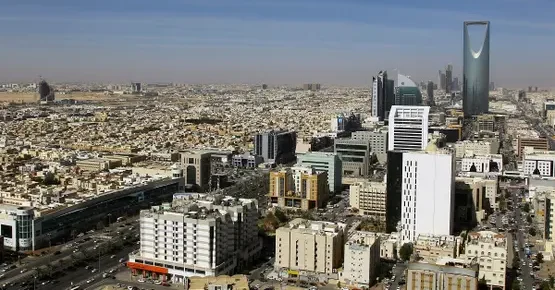
Saudi Arabia’s Housing Market Faces Decline in First-Time Buyers
Saudi Arabia’s housing market is experiencing a significant decline in demand from first-time home buyers. Recent data indicates that the proportion of first-time buyers has dropped to 29% in 2025, compared to 40% in 2023. This shift is largely due to the rising cost of property, particularly in major cities like Riyadh, where housing prices have surged in recent years.
Rising Property Prices Create Barriers for Buyers
One of the primary reasons for the decline in first-time home buyers is the sharp increase in property prices. In Riyadh, apartment prices have risen by nearly 11% over the past year, reaching approximately $1,500 per square meter. The rapid escalation in prices has made homeownership more difficult, especially for young Saudis and middle-income families looking to buy their first property.
Other major cities, including Jeddah and Dammam, have also seen substantial price hikes, making it increasingly challenging for new buyers to enter the market. This surge in prices has been driven by high demand, limited supply, and ambitious real estate development projects aimed at transforming Saudi Arabia’s urban landscape. While these developments contribute to economic growth, they have also raised affordability concerns for ordinary citizens.
Residential Transactions on the Decline
The slowdown in first-time home purchases has also contributed to an overall decline in residential real estate transactions. In the first half of 2023, the number of transactions fell by 32% compared to the same period the previous year. Between January and June 2023, approximately 70,000 transactions were recorded, a sharp drop from 103,000 in the first half of 2022.
This decline reflects a combination of factors, including soaring property prices, stricter lending requirements, and reduced incentives for home buyers. Many potential buyers are now postponing their purchases, hoping for better affordability in the future or turning to rental properties as an alternative.
Impact of Mortgage Rates and Economic Shifts
Rising mortgage rates have played a major role in deterring first-time buyers from entering the housing market. Over the past two years, borrowing costs have increased, making it more expensive for buyers to secure home loans. Higher interest rates have resulted in larger monthly mortgage payments, discouraging buyers who may already be struggling with the high cost of living.
In addition, the reduction of government subsidies, such as interest-free loans, has affected affordability. These subsidies previously supported lower-income buyers, helping them secure homes with reduced financial strain. With fewer financial incentives available, many potential buyers now face greater difficulty in meeting the necessary requirements for homeownership.
Beyond housing-specific challenges, broader economic factors are also shaping the market. Saudi Arabia is undergoing a major transformation as part of its Vision 2030 initiative, which aims to diversify the economy and reduce dependence on oil. While these efforts promise long-term economic benefits, they have also created short-term uncertainties in various sectors, including real estate.
Government Initiatives and the Future Outlook
In response to the growing affordability crisis, the Saudi government has introduced several initiatives to make housing more accessible. Under the Vision 2030 plan, efforts are being made to increase homeownership rates by providing financial assistance, expanding affordable housing projects, and streamlining real estate regulations.
One of the key initiatives includes programs that offer subsidized mortgages to middle-income families, allowing them to purchase homes with lower interest rates. Additionally, there are plans to increase the supply of affordable housing units to cater to the growing population.
Despite these measures, the effectiveness of government intervention remains to be fully seen. Some analysts believe that further policy adjustments are necessary to address the affordability gap, especially in rapidly growing cities where demand continues to outpace supply.
A Market in Transition
Saudi Arabia’s housing market is currently at a crossroads. While the country continues to experience economic growth and urban development, the increasing difficulty for first-time buyers highlights the need for more balanced policies. With rising property prices, higher mortgage rates, and shifting economic conditions, potential buyers are approaching the market with caution.
As the government and real estate developers work towards solutions, the coming years will be crucial in determining the direction of Saudi Arabia’s housing market. Whether affordability improves or challenges persist will depend on policy effectiveness, economic trends, and the ability to provide housing options that cater to a wider range of buyers.
Do follow gulf magazine on Instagram
for more information click here

