

Saudi Arabia’s Bold Oil Move Faces Risky Demand Challenge
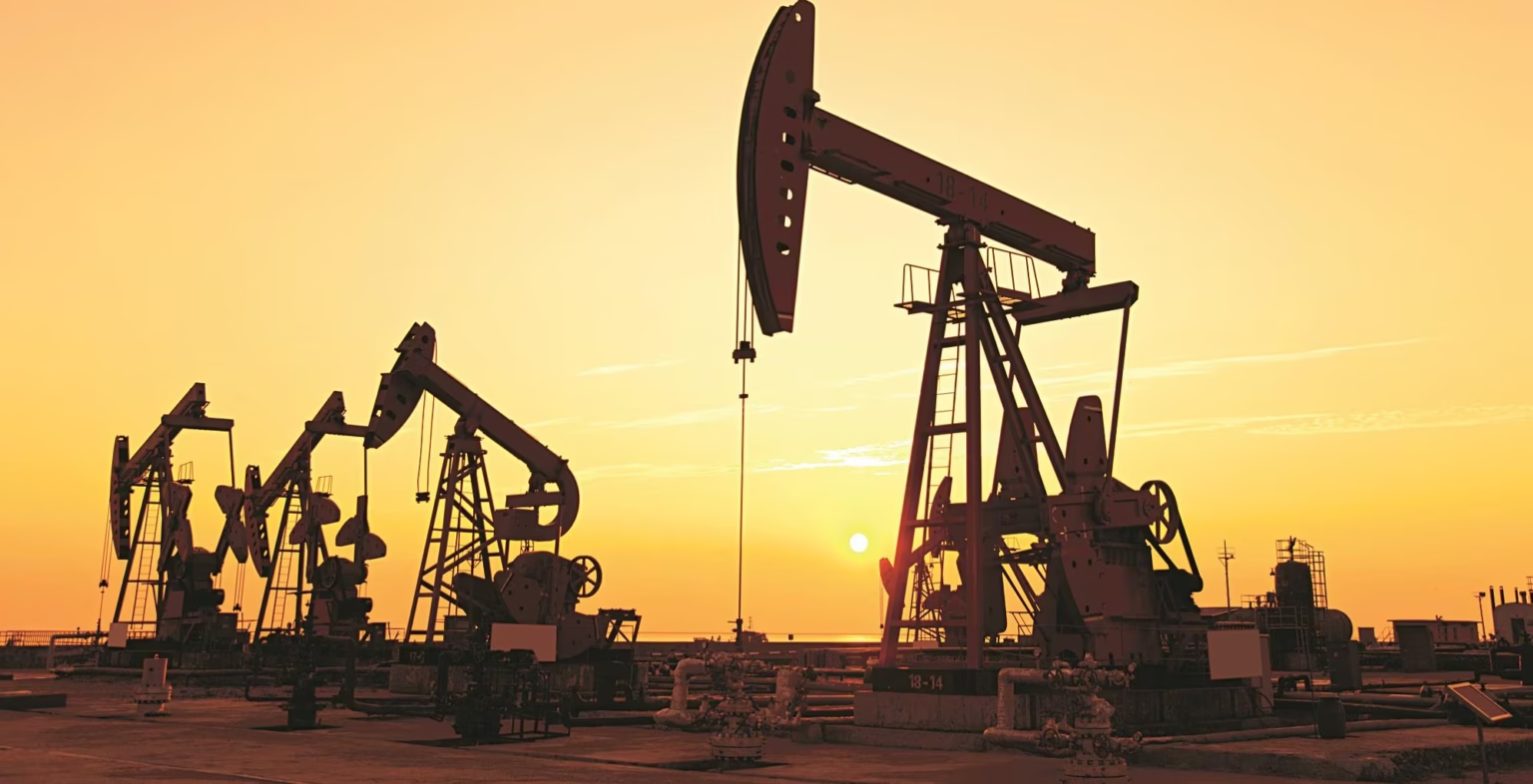
In a bold and closely watched move, Saudi Arabia has signaled its readiness to sharply increase oil production — a strategy that could ignite a global price war. The kingdom, long known as the world’s most powerful oil producer, is trying to tighten its grip on the market at a time when global demand is softening due to economic slowdowns and geopolitical tensions.
But can Saudi Arabia’s strategy succeed when the world simply doesn’t need as much oil?
Supply Boost Despite Market Warnings
Between April and June 2025, Saudi Arabia and key OPEC+ allies plan to raise oil output by an additional 960,000 barrels per day. This aggressive increase comes after mounting frustration within OPEC+, especially with countries like Kazakhstan and Iraq, who have been exceeding their agreed production quotas.
Analysts warn that this move could tip the market into dangerous oversupply, pushing global benchmark Brent crude prices below $60 per barrel — a significant drop from earlier levels above $80. Lower prices could hurt not only Saudi Arabia but also rival producers like the United States, where shale oil investments become less profitable when prices fall too low.
The international oil market is sensitive, and sudden supply increases can have far-reaching consequences. While Saudi Arabia has used similar tactics in the past to push out competitors and defend its market share, the world’s energy landscape today is very different.
Historical Risks Resurface
Saudi Arabia’s strategy of boosting supply to force out rivals is not new. In the 1980s and 1990s, the kingdom used its production power to crush emerging competitors, particularly U.S. shale oil producers. But the world economy has changed, and the risks of repeating this playbook are high.
For example, during the 1997 Asian financial crisis, aggressive oil supply strategies led to price collapses that harmed producers across the board. Similarly, after the 2014–2016 oil crash, many oil-rich countries, including Saudi Arabia, faced severe economic strain, budget deficits, and rising domestic pressures.
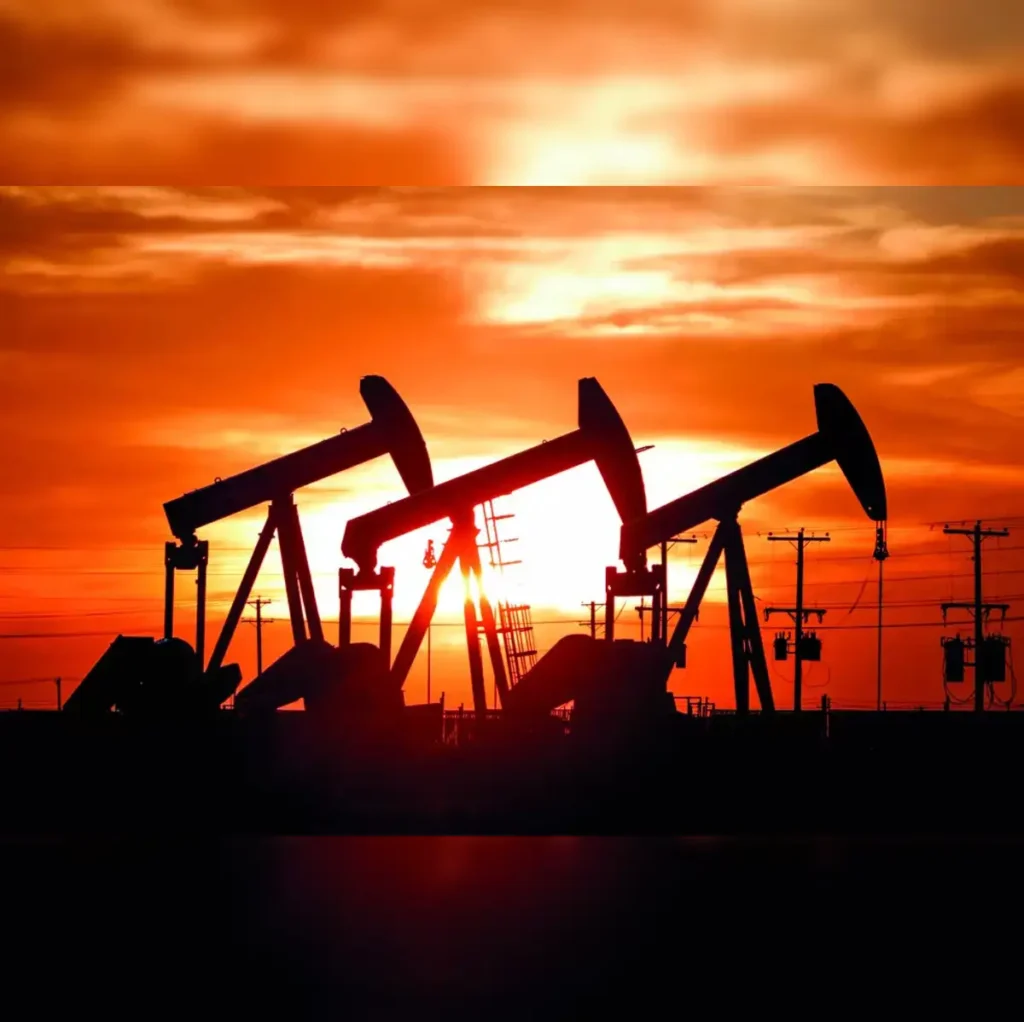
Now, with global growth already weakening — partly due to ongoing U.S.–China trade tensions, slowdowns in Europe, and volatile financial markets — some experts believe lower oil prices may no longer spark the same kind of demand rebound as in the past.
Domestic Pressures Inside Saudi Arabia
The domestic impact on Saudi Arabia cannot be ignored. In recent months, the kingdom has already seen oil prices drop from over $80 per barrel in January to around $60 today. That has led Saudi companies to cut back spending, scale down projects, and diversify into non-oil sectors like food, beverages, and technology to cushion against economic slowdown.
Despite Crown Prince Mohammed bin Salman’s ambitious Vision 2030 — a sweeping plan to diversify the Saudi economy away from oil — crude oil still made up over 60% of state revenue in 2024. Big-ticket projects like Neom, the futuristic desert megacity, have faced delays or been scaled back due to funding constraints.
The Saudi government continues to rely heavily on its Public Investment Fund (PIF) to stimulate economic activity, but even this powerful sovereign wealth fund faces limits when oil revenues fall short. Rising youth unemployment and growing expectations for reforms add additional pressure to deliver results.
Global Oil Market Shifts
Globally, the oil market has changed in ways that weaken OPEC’s control. The rise of U.S. shale oil production has eroded the market share once held by Saudi Arabia and its OPEC allies. At the same time, non-OPEC producers like Brazil, Norway, and Canada have increased output, making it harder for any one player to manage global prices.
Meanwhile, technological innovations are reshaping energy demand. The growth of electric vehicles (EVs), increased energy efficiency, and rising investments in renewable energy are gradually reducing the world’s long-term need for crude oil.
These shifts mean that even if Saudi Arabia can flood the market with cheap oil, the demand response might not be as strong or sustained as it once was.
The Achilles’ Heel: Weak Demand
While Saudi Arabia can control supply, it cannot fully control demand — and that may prove to be its biggest vulnerability.
Even if the kingdom floods the market with cheap oil, global demand may remain sluggish due to broader economic forces outside Riyadh’s control. A sharp slowdown in China, a recession in Europe, or a U.S. economic downturn could all blunt the effects of Saudi Arabia’s supply-driven strategy.
Energy expert Dmitry Zhdannikov from Reuters recently warned that Saudi Arabia’s power to sway the market is limited by weak global demand, calling it the country’s “Achilles’ heel.”
What’s Next? High-Stakes Gamble
Saudi Arabia’s move to raise production is a high-stakes gamble. While it may succeed in forcing some rival producers to scale back or even drive weaker competitors out of business, it also risks hurting itself by dragging prices so low that it damages its own economy.
In the coming months, markets will closely watch whether OPEC+ sticks to the new production increases or whether pressure from falling prices forces a rethink. Investors, meanwhile, are bracing for more volatility and uncertainty.
Conclusion: Adapting to a Changing Energy World
Saudi Arabia’s latest oil strategy highlights the challenges of managing an economy still heavily dependent on fossil fuels in a world that is gradually moving away from them.
To succeed in the long term, the kingdom will need more than just short-term price maneuvers. Diversifying the economy, investing in future industries, and reducing reliance on oil revenues will be critical if Saudi Arabia wants to remain strong in a rapidly changing global landscape.
As the energy transition gathers pace, the real test for Saudi Arabia may not be how much oil it can pump — but how quickly and effectively it can adapt to a future where oil plays a smaller role.
For more information click here
UAE’s $659 Billion Project Pipeline: A Glimpse into the Future

