

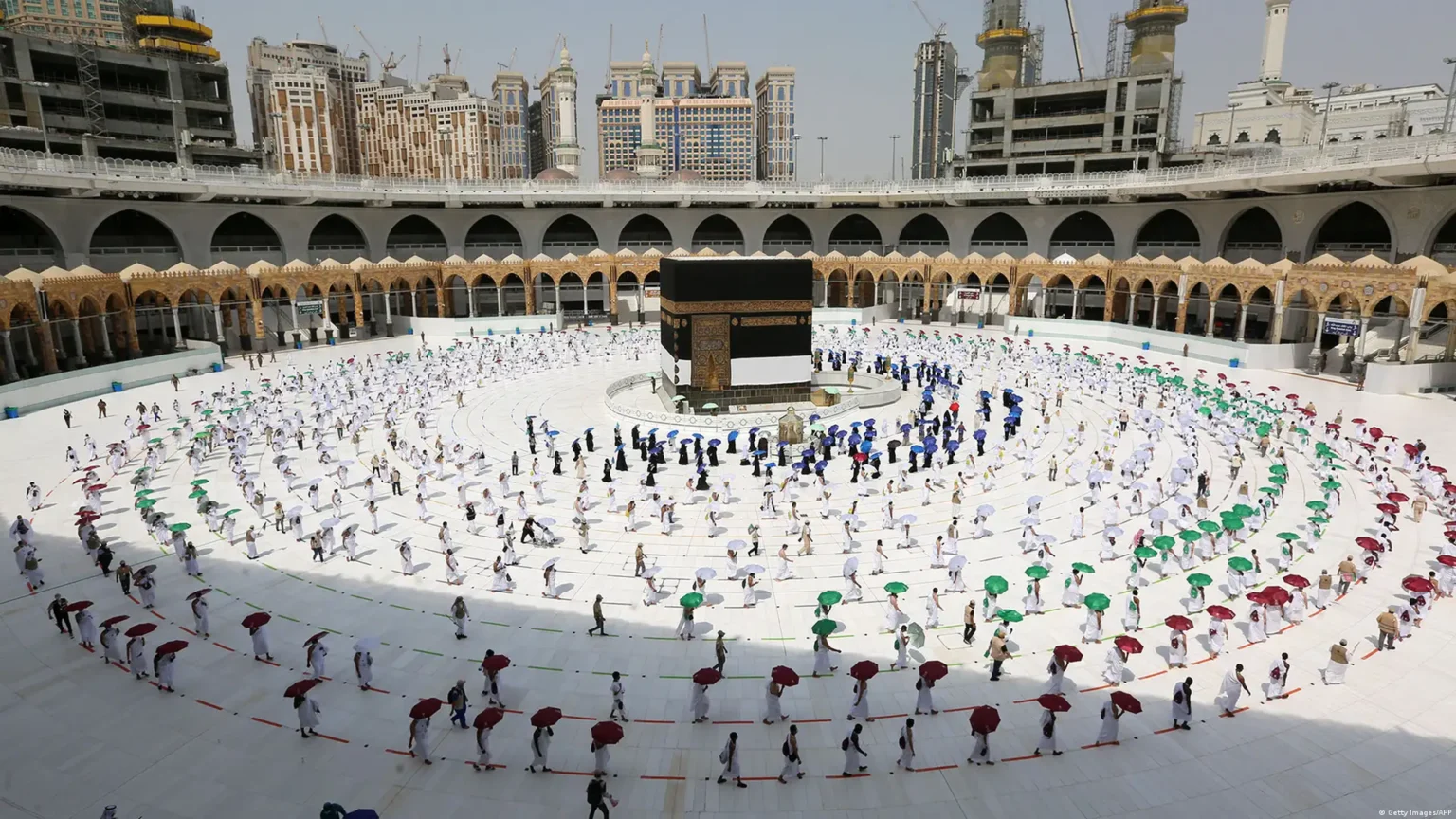
In recent years, the annual surge of Umrah pilgrims during Ramadan has become a defining feature of Saudi Arabia’s religious tourism landscape. The holy month attracts millions of devotees from around the globe, all eager to perform rituals at the sacred sites of Mecca and Medina. However, this influx poses significant challenges in crowd management and safety. Understanding Saudi Arabia’s Ramadan Umrah surge and the innovative strategies employed to handle the crowd is essential for ensuring a smooth pilgrimage experience.
The Spiritual Significance of Ramadan Umrah
Umrah, often referred to as the “lesser pilgrimage,” is a significant spiritual journey for Muslims, offering a chance for forgiveness and spiritual renewal. During Ramadan, the experience is amplified as the month is marked by fasting, prayer, and reflection. The blend of these practices with the physical act of Umrah deepens the spiritual experience, making it one of the most sought-after times for the pilgrimage.
As the holy month approaches, the anticipation builds, leading to a surge in pilgrim numbers. The call to perform Umrah during Ramadan taps into the deep-seated desire of Muslims to strengthen their faith, seek divine blessings, and fulfill religious obligations.
The Magnitude of the Ramadan Umrah Surge
The numbers speak volumes. Each year, millions flock to Saudi Arabia, with estimates suggesting that over 3 million pilgrims might arrive during Ramadan alone. This surge is not limited to local pilgrims; international travelers from diverse backgrounds make their way to the Kingdom, adding to the multicultural tapestry of the event.
The influx of pilgrims creates a vibrant yet challenging environment. The streets of Mecca and Medina become bustling hubs filled with individuals from all walks of life, each united by their faith. However, managing such vast crowds requires meticulous planning and innovative solutions.
Innovative Crowd-Management Strategies
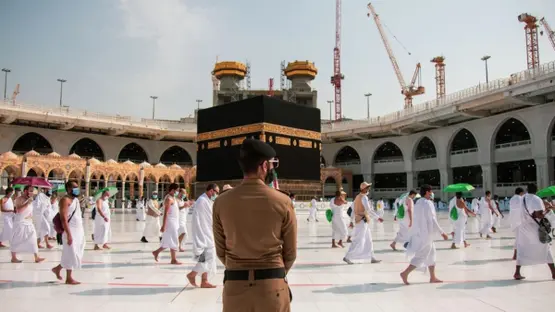
To address the challenges posed by the Ramadan Umrah surge, Saudi Arabia has implemented a range of crowd-management strategies designed to enhance safety and streamline the pilgrimage experience.
Advanced Technology Integration
One of the most significant advancements has been the integration of technology into crowd management. The use of mobile applications has become commonplace, providing pilgrims with real-time updates on crowd levels at key locations such as the Grand Mosque and the Prophet’s Mosque. These apps allow pilgrims to plan their visits during less crowded times, enhancing their experience.
Additionally, facial recognition technology and crowd-sensing cameras are deployed to monitor congestion levels and ensure safety. This proactive approach allows authorities to respond swiftly to potential issues and manage crowd flow effectively.
Strategic Infrastructure Developments
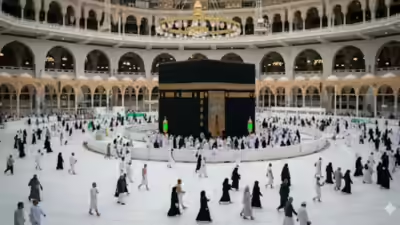
Saudi Arabia has invested heavily in infrastructure to accommodate the growing number of pilgrims. The expansion of the Grand Mosque in Mecca is a prime example, with new facilities designed to handle larger crowds while maintaining comfort and accessibility. The introduction of walkways, waiting areas, and enhanced amenities ensures that pilgrims can navigate the holy sites with ease.
Moreover, the transportation system has seen significant upgrades. Additional shuttle services and expanded public transport options are in place to facilitate movement between Mecca and Medina, helping to alleviate congestion and ensure that pilgrims can travel comfortably.
Community Involvement and Volunteer Programs
The Saudi government recognizes the importance of community involvement in managing the crowds during Ramadan. Volunteer programs have been established, enlisting local residents to assist pilgrims with directions, provide information, and offer support. This grassroots approach fosters a sense of camaraderie and enhances the overall experience for visitors.
Health and Safety Protocols
In recent years, especially in light of global health concerns, health and safety protocols have taken center stage during the Ramadan Umrah surge. The Saudi authorities have instituted comprehensive measures to ensure the safety of pilgrims, including health screenings and sanitation practices at key locations.
Social distancing measures and capacity limits have been enforced to ensure that pilgrims can perform their rituals safely. These protocols not only protect the health of the pilgrims but also contribute to a more organized and manageable crowd environment.
The Role of Spiritual Guidance
Alongside the logistical strategies, the spiritual aspect of the pilgrimage is also emphasized. Religious leaders and scholars are present to provide guidance and support to pilgrims, ensuring that they remain focused on their spiritual journey amidst the hustle and bustle. This balance of spiritual and practical support enriches the experience, allowing pilgrims to connect with their faith more deeply.
Conclusion: A Harmonious Pilgrimage Experience
Saudi Arabia’s Ramadan Umrah surge is a remarkable phenomenon that highlights the deep devotion of millions of Muslims worldwide. The effective crowd-management strategies employed by the Kingdom ensure that this spiritual journey is both meaningful and safe. Through technology, infrastructure improvements, community involvement, and health protocols, Saudi Arabia is committed to enhancing the Umrah experience during Ramadan.
As the country continues to adapt and innovate, the hope is that the pilgrimage remains a harmonious experience for all, allowing pilgrims to focus on their faith while navigating the crowds with ease.
Do follow Gulf Magazine on Instagram.
Also Read – 27th Arabian Gulf Cup 2026: Jeddah Hosts Exciting Football Event

