

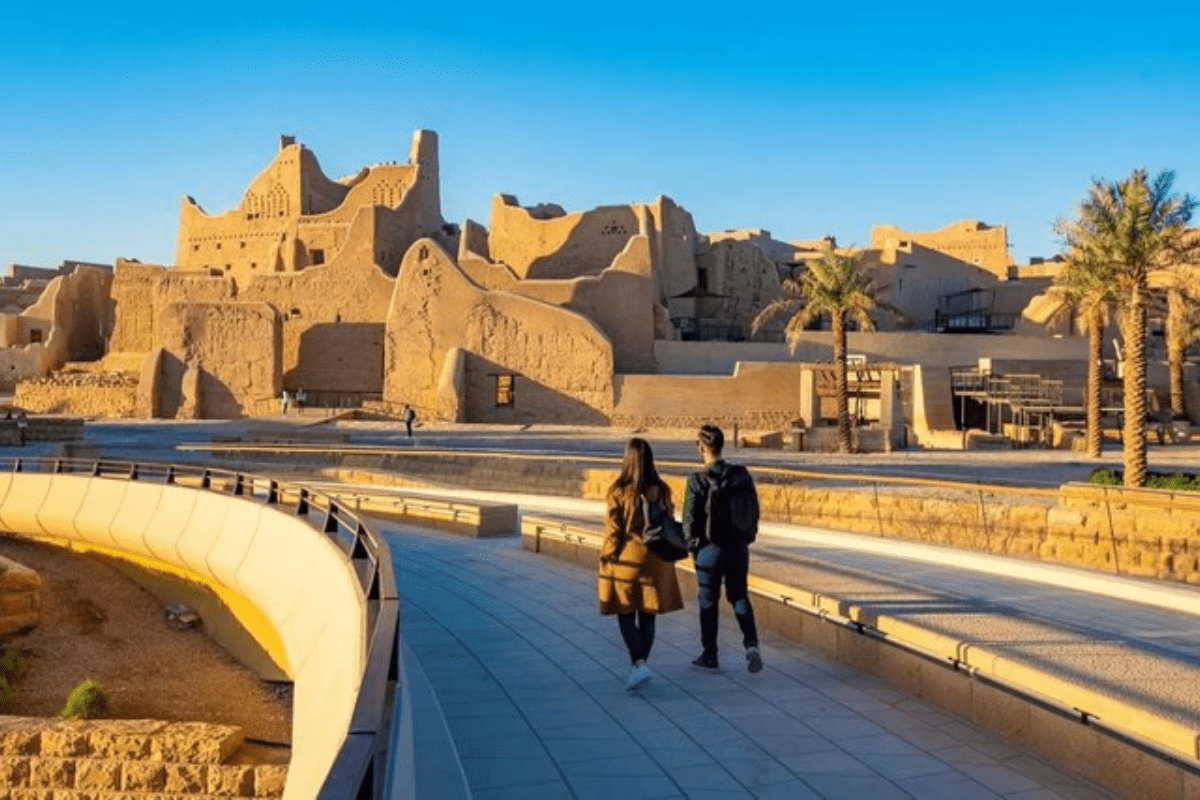
In recent years, Saudi Arabia has made significant strides in its workforce localisation policies, particularly within the tourism and services sectors. These initiatives are part of the nation’s broader Vision 2030 plan, aiming to diversify the economy and reduce its dependence on oil. As the Kingdom opens its doors to international tourists and businesses, understanding these localisation policies becomes crucial for both local and foreign stakeholders.
What Are Workforce Localisation Policies?
Workforce localisation policies refer to government initiatives aimed at increasing the employment of local talent within various sectors. In Saudi Arabia, these policies are designed to ensure that a significant proportion of jobs within the tourism and services industries are filled by Saudi nationals. This shift not only empowers the local workforce but also aligns with the country’s economic goals of creating sustainable job opportunities.
The Driving Forces Behind Localisation Policies
Several factors have propelled the push for workforce localisation in Saudi Arabia’s tourism and services sectors. The most significant include:
Economic Diversification: With the oil market fluctuating, the Kingdom is keen to develop sectors that can sustain economic growth.
Youth Employment: A significant percentage of Saudi Arabia’s population is young, creating a v pressing need for job creation.
Cultural Preservation: Employing locals within the tourism sector helps in preserving the cultural heritage and authenticity of the experiences offered to tourists.
This multi-faceted approach not only aims to boost employment rates but also fosters a sense of national pride among the citizens.
Key Policies Promoting Localisation in Tourism
Saudi Arabia’s workforce localisation policies in tourism have been marked by several key initiatives:
National Tourism Strategy
The National Tourism Strategy outlines clear goals for increasing the number of Saudi nationals employed in the tourism sector. By providing training programs and resources, the government ensures that locals are equipped with the necessary skills to thrive in this industry.
Saudisation Program
Under the Saudisation program, specific quotas are set for the employment of Saudi nationals in various businesses. This program encourages companies within the tourism sector to prioritize hiring locals, ensuring that they play a pivotal role in the industry’s growth.
Investment in Education and Training
To support these initiatives, the government has invested heavily in education and training programs tailored to the tourism and services sectors. This includes partnerships with educational institutions to develop curricula that meet industry needs, ensuring that graduates are job-ready.
The Impact of Localisation Policies on the Tourism Sector
The workforce localisation policies have begun to reshape the tourism landscape in Saudi Arabia. Here are some of the notable impacts:
Enhanced Customer Experience
With locals employed in the tourism sector, visitors experience a more authentic connection to the culture and traditions of Saudi Arabia. Local employees can offer insights and stories that enrich the tourist experience, making it more memorable.
Economic Growth
As more Saudi nationals enter the workforce, the economy benefits from increased consumer spending. Locals are likely to invest back into their communities, further stimulating economic growth.
Job Creation
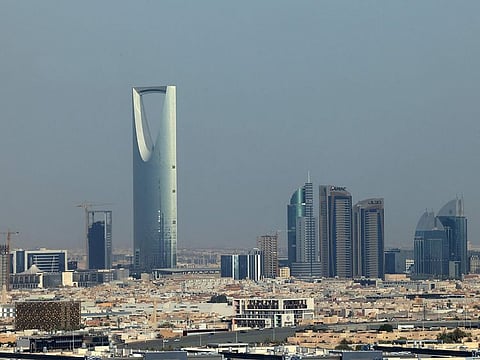
The localisation policies have led to the creation of numerous job opportunities across various levels, from entry-level positions to management roles. This not only reduces unemployment but also encourages the development of a skilled workforce.
Challenges Facing Localisation Efforts
Despite the positive impacts, there are challenges that Saudi Arabia must navigate in its efforts to localise the workforce in tourism and services:
Skill Gaps
Even with extensive training programs, there may still be a skills mismatch between what employers require and what potential employees possess. Continuous development and adaptation of training initiatives are essential.
Resistance to Change
Some businesses may resist localisation due to concerns over cost or perceived competence of local hires. Changing this mindset is crucial for the success of localisation policies.
Balancing Foreign Expertise
While localisation is vital, the tourism sector can also benefit from foreign expertise, especially in skill-intensive roles. Striking a balance between employing locals and leveraging international talent is necessary.
Future Directions for Localisation in Services
Looking ahead, Saudi Arabia’s workforce localisation policies in services are set to evolve. Here are some future directions to consider:
Technology Integration
As technology continues to transform the services landscape, incorporating tech-driven solutions can enhance training and operational efficiency. This can also make the industry more appealing to younger generations.
Focus on Soft Skills
While technical skills are crucial, soft skills such as communication and customer service are equally important. Training programs should incorporate these elements to prepare locals for service-oriented roles.
Continued Government Support
Ongoing government support in the form of incentives for companies that hire locals will further solidify the impact of localisation policies. This can include tax breaks or financial assistance for training programs.
Conclusion: A Bright Future for Saudi Arabia’s Local Workforce
Saudi Arabia’s workforce localisation policies in tourism and services represent a pivotal shift in the nation’s economic strategy. By fostering local talent, the Kingdom not only addresses unemployment but also enriches its cultural fabric for visitors. As these policies continue to evolve, they offer a promising future for both Saudi nationals and the tourism sector as a whole.
Do Follow Gulf Magazine on Instagram
Also read: 7 Powerful Ways Gulf Nations Are Thriving Beyond Oil

