

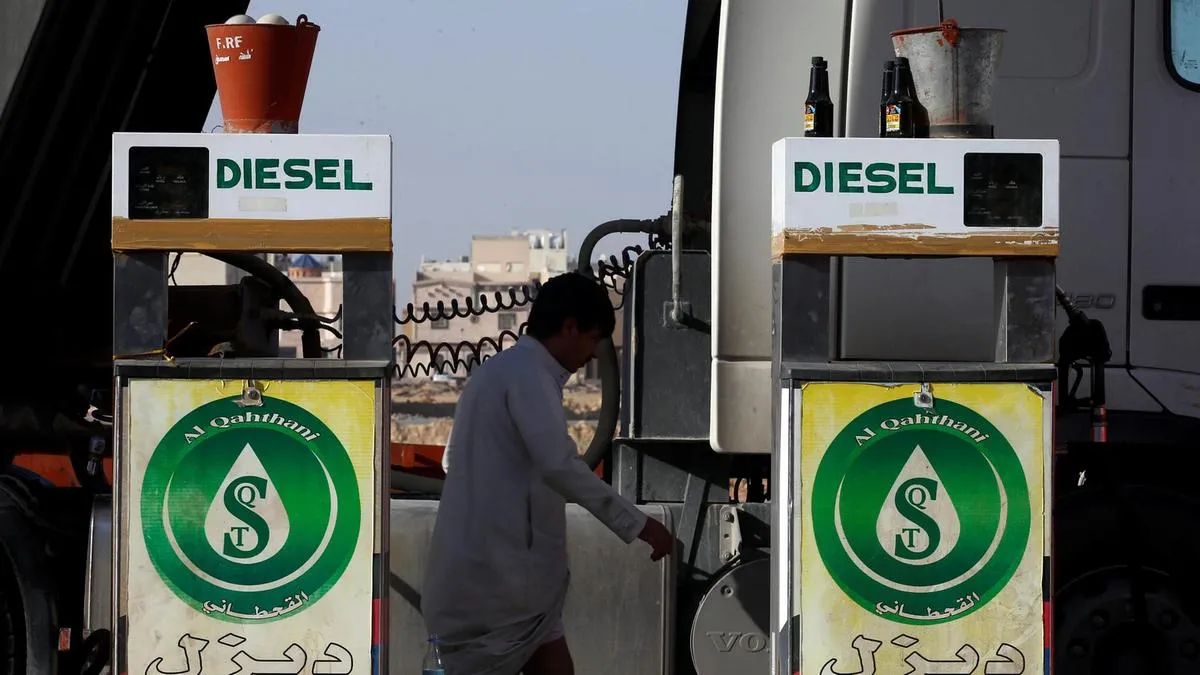
Saudi Aramco has announced an increase in diesel prices, setting the new rate at SR1.79 per liter. The adjustment reflects broader energy market dynamics and aligns with Saudi Arabia’s ongoing fuel price review mechanism. For consumers and businesses alike, this update is more than a simple price change it is a signal of how the Kingdom balances economic sustainability, energy efficiency, and global market realities.
Fuel price updates in Saudi Arabia are closely watched because of their ripple effects across transportation, logistics, industry, and daily life. While diesel remains one of the most widely used fuels in the Kingdom, Aramco’s pricing decisions aim to maintain stability while supporting long-term national goals.
Understanding the Latest Diesel Price Adjustment
The revised diesel price of SR1.79 per liter represents a measured increase under Saudi Arabia’s fuel pricing framework. This system reviews prices periodically to ensure they reflect international energy trends while considering domestic economic conditions.
Diesel is a critical fuel for commercial transport, construction, agriculture, and power generation. Even a modest change can influence operating costs across multiple sectors. However, the structured nature of the adjustment helps avoid sudden shocks, giving businesses time to adapt and plan.
For individual consumers, the change may be noticed most in delivery costs and transport services rather than direct personal fuel spending, as diesel is primarily used in commercial and heavy vehicles.
Why Saudi Aramco Adjusts Fuel Prices
Saudi Aramco’s fuel pricing is guided by a transparent review mechanism designed to balance several priorities. These include aligning domestic fuel prices with global markets, encouraging responsible energy consumption, and supporting fiscal sustainability.
As global energy markets fluctuate due to demand shifts, production levels, and geopolitical factors, domestic prices are periodically adjusted to reflect these realities. This approach helps Saudi Arabia avoid excessive subsidies while promoting efficient fuel use.
The diesel price increase also aligns with broader energy reforms under Vision 2030, which emphasize economic diversification and reduced dependence on oil revenues alone.
Impact on Transportation and Logistics
The transportation and logistics sector is among the first to feel the effects of diesel price changes. Trucking companies, delivery services, and public transport operators rely heavily on diesel, making fuel a major operational cost.
While the increase to SR1.79 per liter may raise short-term expenses, many companies factor such adjustments into long-term contracts and pricing models. Over time, this can encourage greater efficiency, route optimization, and investment in modern, fuel-efficient fleets.
For consumers, any impact is likely to be gradual, showing up subtly in service pricing rather than as an immediate spike in costs.
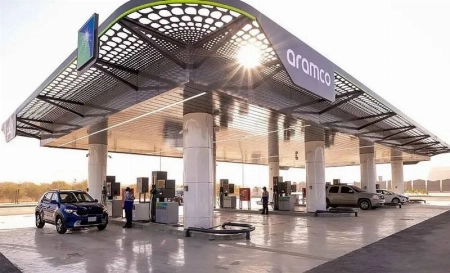
Effects on Industry and Business Operations
Industries such as construction, manufacturing, and agriculture depend on diesel-powered machinery and equipment. The updated price may lead companies to reassess energy usage and operational efficiency.
In the long run, higher fuel costs often accelerate the adoption of alternative technologies, including hybrid equipment, improved maintenance practices, and smarter energy management systems. For Saudi businesses, this aligns with national goals of innovation and sustainability.
Rather than slowing growth, such adjustments can push industries toward modernization and competitiveness.
What This Means for Consumers
For most private consumers, diesel price changes have an indirect impact. Passenger vehicles in Saudi Arabia predominantly use gasoline, meaning the immediate effect on personal commuting is limited.
However, diesel plays a role in goods transportation, public services, and infrastructure projects. Over time, this can influence the cost of certain products and services. The gradual nature of the adjustment helps ensure that consumers are not faced with sudden price hikes.
Overall, the increase reinforces the importance of energy awareness and efficient consumption across society.
Diesel Pricing and Vision 2030 Goals
Saudi Arabia’s Vision 2030 places strong emphasis on economic resilience, efficient resource use, and environmental responsibility. Fuel price adjustments are a key tool in achieving these objectives.
By aligning diesel prices more closely with market conditions, the Kingdom encourages responsible consumption and reduces waste. This approach also frees up government resources that can be redirected toward education, healthcare, infrastructure, and clean energy initiatives.
In this context, the new diesel price supports a broader transformation rather than serving as a standalone measure.
Market Stability and Energy Confidence
Setting diesel at SR1.79 per liter reflects confidence in Saudi Arabia’s energy management strategy. The Kingdom continues to play a leading role in global energy markets while carefully managing domestic consumption.
For investors and businesses, predictable pricing mechanisms enhance confidence and allow for better planning. Stability, rather than artificially low prices, is increasingly seen as a strength in modern energy economies.
Saudi Aramco’s disciplined approach underscores its role not only as an energy producer but also as a steward of economic balance.
Looking Ahead: What to Expect Next
Fuel prices in Saudi Arabia are reviewed periodically, meaning future adjustments will continue to reflect global and local factors. While prices may rise or fall over time, the underlying system aims to prevent extreme volatility.
Businesses and consumers can expect continued transparency and gradual changes rather than sudden shifts. This predictability allows households, companies, and policymakers to plan with confidence.
As the Kingdom advances toward a more diversified and sustainable economy, fuel pricing will remain a strategic tool supporting long-term progress.
A Balanced Step Toward Sustainable Growth
Saudi Aramco’s decision to raise diesel prices to SR1.79 per liter represents a balanced and forward-looking move. While it may increase costs for certain sectors, it also reinforces market discipline, efficiency, and national economic goals.
Rather than viewing the adjustment as a burden, it can be seen as part of Saudi Arabia’s broader journey toward sustainable growth, innovation, and resilience. In an evolving global energy landscape, measured steps like this help ensure long-term stability for both the economy and society.
Do follow Gulf Magazine on Instagram.
Also Read – Cristiano Ronaldo Saudi Deal: Salary, Equity & Billionaire Path

