

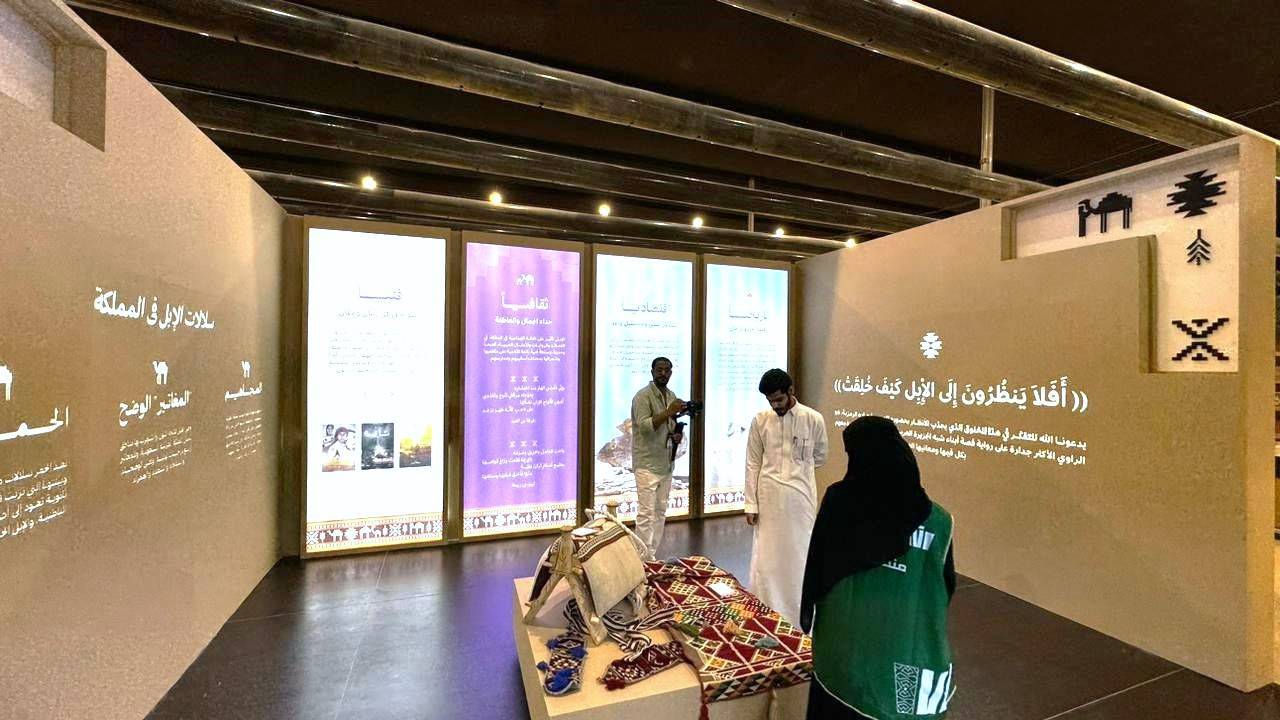
In a stunning showcase of creativity and cultural heritage, the Saudi art exhibit celebrates the Year of the Camel, inviting visitors to embark on a profound exploration of the significance of this majestic creature. The camel, often referred to as the “ship of the desert,” holds a special place in the hearts of many in Saudi Arabia and beyond. This exhibit not only honors the camel’s historical importance but also reflects the rich tapestry of life and art in the region.
The Significance of the Camel in Saudi Culture
The camel’s role transcends mere symbolism; it is woven into the very fabric of Saudi Arabian life. For centuries, these animals have been integral to the livelihoods of nomadic tribes and have played a crucial role in trade, transportation, and sustenance. In the desert landscapes, camels have served as companions, providing not only mobility but also vital resources like milk and wool.
In the context of the Year of the Camel, this exhibit emphasizes the deep-rooted connection between the people and these remarkable creatures. Through various artistic expressions, visitors will discover how camels are not just animals but symbols of resilience, endurance, and adaptability—qualities that resonate deeply within the Saudi spirit.
Highlights of the Exhibit: Art That Tells a Story
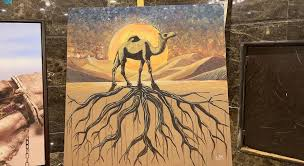
As you step into the Saudi art exhibit, you are greeted by a vibrant array of artworks that celebrate the camel in diverse forms. From paintings and sculptures to multimedia installations, each piece invites reflection on the camel’s impact on Saudi culture. The artists featured in this exhibit draw upon traditional techniques and contemporary practices to create a dialogue that bridges generations.
One of the standout installations includes a breathtaking mural that depicts a caravan journeying through the vast Arabian desert. This artwork captures the essence of travel and exploration, evoking a sense of adventure that resonates with the nomadic heritage of the region. The colors and textures used reflect the natural beauty of the desert landscape, inviting viewers to immerse themselves in the experience.
Another notable feature of the exhibit is an interactive section where visitors can engage with the art. This area encourages attendees to reflect on their own connections to the camel, fostering a sense of community and shared heritage. By allowing people to participate actively, the exhibit transforms from a passive viewing experience into a dynamic cultural exchange.
The Role of Modern Artists in Celebrating Tradition
The Saudi art exhibit celebrates the Year of the Camel not only through historical references but also by spotlighting modern artists who reinterpret traditional themes. These contemporary creators bring fresh perspectives to the camel’s symbolism, incorporating elements of modern life and social commentary into their works.
Artists like Fatimah Alsharif and Omar Obaid showcase how the camel’s legacy can be expressed through innovative mediums such as digital art and installations. Their works challenge conventional narratives and invite viewers to consider the camel in the context of contemporary issues, such as environmental sustainability and cultural identity.
By bridging the gap between tradition and modernity, these artists demonstrate that the camel remains a relevant and powerful symbol in today’s world. The exhibit serves as a reminder that honoring cultural heritage does not mean stagnation; rather, it encourages growth and evolution within the artistic landscape.
A Celebration of Community and Heritage
In addition to its artistic offerings, the Saudi art exhibit serves as a cultural hub, bringing together artists, scholars, and community members. Throughout the duration of the exhibit, various events are held, including panel discussions, workshops, and performances that highlight the camel’s role in Saudi life.
These events foster a sense of belonging and pride among attendees, as they come together to celebrate their shared heritage. The exhibit emphasizes that the camel is not merely an animal but a cultural icon that unites people across generations.
The collaborative spirit extends beyond the exhibit itself. Local schools and organizations are invited to participate, encouraging younger generations to explore their cultural roots. This engagement ensures that the legacy of the camel—and the stories it embodies—will be passed on to future generations.
The Future of Saudi Art and Cultural Exhibitions
As the Saudi art exhibit celebrates the Year of the Camel, it also sets a precedent for future cultural initiatives. The blending of tradition with contemporary artistry exemplifies the potential for cultural exhibitions to evolve and adapt to modern times.
The success of this exhibit paves the way for other themes and narratives to be explored in the future. It highlights the importance of preserving cultural heritage while also embracing innovation and new perspectives. This approach not only enriches the artistic community but also strengthens the cultural identity of Saudi Arabia on a global stage.
Conclusion: A Journey Worth Experiencing
The Saudi art exhibit celebrating the Year of the Camel is more than just an artistic endeavor; it is a heartfelt tribute to a creature that has shaped the very essence of Saudi culture. Through captivating works of art and engaging community initiatives, the exhibit honors the camel’s legacy while inspiring new generations to appreciate their heritage.
Visitors leave not only with a deeper understanding of the camel’s significance but also with a sense of connection to a vibrant cultural landscape that continues to thrive. This celebration reminds us that the past is not a distant memory but a living narrative that shapes our present and future.
Do follow Gulf Magazine on Instagram.
Also Read – Bahrain Launches National Food Safety Awareness Campaign

