

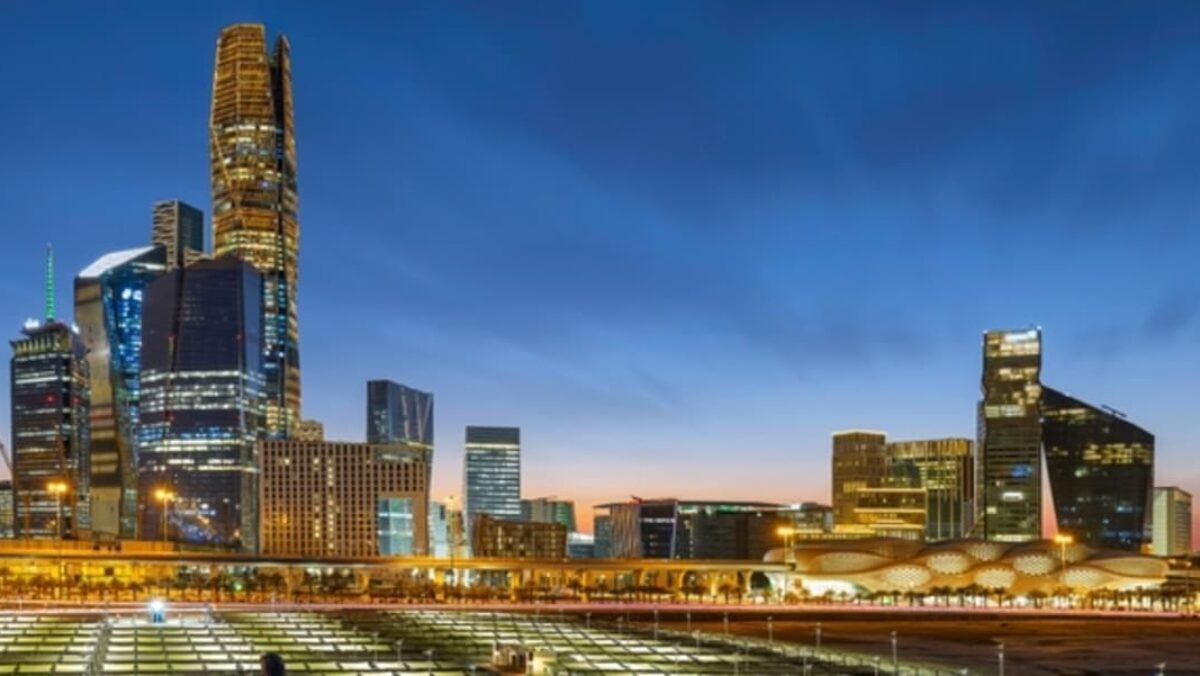
Saudi Arabia’s construction sector continues to demonstrate steady momentum as construction costs rose by 1% in November. While the increase may appear modest at first glance, it reflects deeper shifts in economic activity, demand dynamics, and long-term national development priorities. The rise signals resilience in one of the Kingdom’s most critical industries and highlights the sustained pace of infrastructure and real estate development across the country.
This upward movement in construction costs comes at a time when Saudi Arabia is pressing ahead with transformative projects, urban expansion, and diversification initiatives. Rather than indicating instability, the increase points to a market that is active, confident, and gradually adjusting to higher levels of demand.
Understanding the November Cost Increase
The 1% rise in construction costs in November represents a continuation of gradual upward pressure seen throughout the year. Construction costs are influenced by a combination of factors, including material prices, labor availability, transportation costs, and project complexity. In Saudi Arabia, these elements are closely tied to the scale and ambition of ongoing development plans.
Seasonal demand also plays a role. As projects move from planning into execution phases, the demand for materials and skilled labor typically increases, pushing costs slightly higher. November’s rise reflects this natural cycle within a growing construction environment.
Key Cost Drivers Behind the Increase
Several underlying factors contributed to the cost rise, each reinforcing the broader narrative of economic activity rather than disruption.
Material prices remain one of the most influential drivers. Steel, cement, concrete, and finishing materials have experienced fluctuating demand as large-scale projects progress simultaneously across multiple regions. Even minor shifts in material pricing can have a noticeable impact on overall construction costs.
Labor costs also continue to evolve. The demand for skilled professionals, engineers, and specialized contractors has grown alongside the scale of projects underway. As competition for talent increases, wages naturally adjust, contributing to incremental cost growth.
Logistics and transportation expenses have added another layer of pressure. Moving materials across vast construction sites, remote development zones, and expanding cities increases operational costs, which are ultimately reflected in overall construction pricing.

What This Means for Saudi Arabia’s Construction Sector
A 1% rise in costs may seem small, but it carries important implications for the health of the construction sector. Most notably, it signals stable demand. In markets where activity slows, construction costs often stagnate or decline due to reduced project pipelines. In contrast, Saudi Arabia’s cost increase points to sustained momentum.
Developers and contractors are continuing to move forward with projects rather than delaying or scaling back. This confidence reflects expectations of long-term returns, population growth, and continued government support for infrastructure development.
A Sign of Economic Confidence
Construction is closely linked to overall economic confidence. When businesses and governments invest in buildings, roads, and urban infrastructure, they signal belief in future growth. The November cost increase reinforces the idea that Saudi Arabia’s economy is progressing steadily rather than cooling off.
Large-scale initiatives, smart city developments, and transportation upgrades require consistent investment. Rising costs suggest that these initiatives are not only continuing but expanding in scope and scale.
Impact on Residential Construction
Residential construction has been a major contributor to activity in the Kingdom. As population growth, urbanization, and housing demand continue, developers are working to deliver new housing units at a steady pace.
The 1% increase in construction costs may have a marginal effect on housing prices, but it is unlikely to cause sharp changes in the short term. Instead, it encourages developers to focus on efficiency, innovative building methods, and value-driven design to manage expenses while meeting demand.
Balancing Affordability and Quality
Developers are increasingly focused on balancing affordability with quality. Rising costs push builders to adopt smarter construction techniques, such as modular construction, optimized project timelines, and improved procurement strategies.
For homeowners and buyers, this trend can result in better-designed homes that maximize space, energy efficiency, and long-term value, even as construction inputs become slightly more expensive.
Commercial and Infrastructure Projects Drive Momentum
Commercial construction and infrastructure development remain powerful engines behind the cost increase. Major commercial complexes, logistics hubs, office developments, and retail spaces continue to reshape Saudi cities.
Infrastructure projects, including roads, airports, rail networks, and utilities, require vast quantities of materials and labor. As multiple projects advance concurrently, the cumulative demand places upward pressure on construction costs.
Mega Projects and Long-Term Vision
Saudi Arabia’s long-term vision emphasizes transformative projects that redefine urban living and economic diversification. These mega projects are complex, technologically advanced, and resource-intensive.
The November cost increase reflects the reality of building at this scale. Advanced construction methods, high-quality materials, and specialized expertise naturally come at a higher cost, but they also deliver long-lasting economic and social benefits.
How Contractors Are Adapting
Contractors operating in Saudi Arabia are actively adapting to changing cost conditions. Rather than viewing rising costs as a challenge alone, many see it as an opportunity to innovate and improve efficiency.
Improved project management systems, digital planning tools, and real-time cost tracking are becoming standard practices. These tools help contractors control budgets, minimize waste, and deliver projects on schedule despite cost fluctuations.
Embracing Technology and Efficiency
Technology is playing a growing role in managing construction costs. Building information modeling, automation, and data-driven decision-making allow companies to forecast expenses more accurately and optimize resource allocation.
As costs rise gradually, contractors who embrace these innovations gain a competitive advantage, positioning themselves for long-term success in an active market.
Regional Variations Across the Kingdom
Construction cost trends can vary by region, reflecting local demand, project concentration, and logistical considerations. Major urban centers often experience higher cost pressures due to dense project pipelines and strong demand for skilled labor.
Emerging development areas, meanwhile, may see more moderate cost changes as infrastructure is built out and supply chains mature. The national average increase of 1% in November captures these regional differences while highlighting overall growth.
Urban Expansion and New Economic Zones
New economic zones and expanding cities are reshaping construction patterns. As these areas develop, initial investments often drive cost increases, followed by stabilization as supply chains and labor markets adjust.
This pattern suggests that cost increases are part of a natural development cycle rather than a sign of imbalance.
Investor and Developer Perspectives
From an investor’s standpoint, rising construction costs require careful planning but also signal market strength. Projects backed by solid demand and long-term vision remain attractive, even with incremental cost increases.
Developers are increasingly focused on value creation rather than cost minimization alone. Projects that offer strong functionality, sustainability, and user experience are better positioned to absorb higher construction costs while delivering strong returns.
Long-Term Value Over Short-Term Costs
The focus is shifting toward long-term value. A 1% cost increase in November is unlikely to outweigh the benefits of building in a growing, diversified economy with strong government support and expanding private sector participation.
This mindset encourages smarter investment decisions and more resilient project designs.
Looking Ahead: What to Expect in Coming Months
Looking forward, construction costs in Saudi Arabia are expected to remain on a gradual upward trajectory rather than experiencing sharp spikes. Demand remains strong, but market participants are becoming more adept at managing costs through planning and innovation.
Future cost movements will likely depend on material supply conditions, labor availability, and the pace of project approvals. Seasonal factors may also influence short-term fluctuations, but the broader trend points toward stability with moderate growth.
A Balanced and Sustainable Outlook
The November increase highlights a balanced market where growth is steady rather than overheated. This balance is essential for maintaining long-term sustainability in the construction sector.
As Saudi Arabia continues its development journey, construction costs will naturally evolve alongside ambition, scale, and innovation.
Conclusion
The 1% rise in Saudi construction costs in November reflects a sector that is active, resilient, and aligned with the Kingdom’s broader development goals. Rather than signaling concern, the increase underscores steady demand, ongoing investment, and confidence in the future.
From residential housing to infrastructure and commercial projects, construction activity continues to shape the nation’s economic landscape. As contractors, developers, and investors adapt to gradual cost changes, the sector remains well-positioned to support Saudi Arabia’s long-term growth and transformation.
Do follow Gulf Magazine on Instagram.
Also Read – Reactive Al Haitam JV Secures Saudi Arabia Grid Stability Power Contract

