

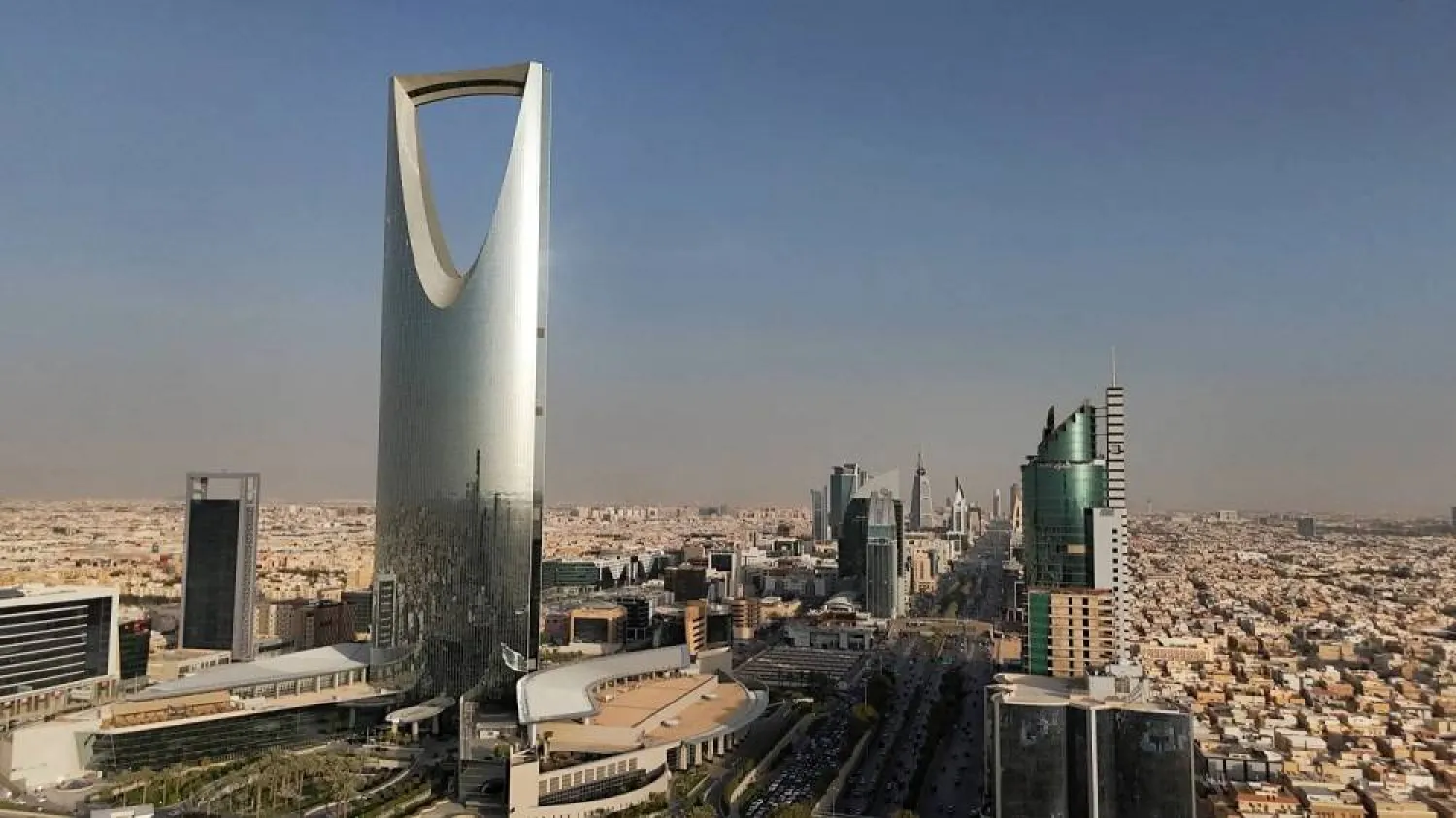
Saudi Arabia’s construction sector continues to reflect stability and confidence as official data shows a 1 percent annual rise in construction costs in November, according to the General Authority for Statistics. While the increase may appear modest at first glance, it carries deeper meaning for investors, developers, contractors, and policymakers closely tracking the Kingdom’s economic transformation.
This steady upward movement highlights a market that is not overheating, yet clearly moving forward. It also mirrors Saudi Arabia’s broader development goals, where large-scale infrastructure, housing projects, and mega developments are shaping the future of the country’s urban and economic landscape.
Understanding the Construction Cost Index
The construction cost index is one of the most important indicators used to measure changes in the prices of materials, labor, and services involved in building activity. It offers a clear snapshot of how much it costs to develop residential, commercial, and infrastructure projects over time.
What the Index Measures
The index tracks variations across key components such as construction materials, labor wages, equipment usage, and operational services. Any movement in this index reflects real-world changes that developers and contractors experience on project sites.
A 1 percent annual increase suggests that costs are rising in a controlled and predictable manner, which is often considered healthy for long-term planning and investment.
Why November’s Data Matters
November’s data is particularly relevant as it captures market behavior toward the end of the year, when many projects accelerate to meet delivery timelines. It also reflects how the sector responds to ongoing demand driven by public and private investment.
Key Drivers Behind the Annual Cost Increase
Several factors contributed to the annual rise in construction costs, each linked closely to Saudi Arabia’s evolving economic and development priorities.
Rising Demand from Mega Projects

Saudi Arabia continues to push forward with ambitious development initiatives under its long-term national vision. Large-scale projects across housing, tourism, entertainment, and infrastructure are creating sustained demand for construction services.
As more projects move from planning to execution, the need for materials and skilled labor naturally increases, placing gentle upward pressure on costs.
Stable Material Price Movements
Construction material prices play a major role in shaping overall costs. While global markets have seen volatility in recent years, Saudi Arabia has managed to maintain relative stability through efficient supply chains and local production.
The modest annual rise suggests that material costs are increasing gradually rather than sharply, allowing developers to manage budgets without sudden shocks.
Labor Market Adjustments
Labor remains a crucial element of construction expenses. Ongoing efforts to improve workforce quality, safety standards, and productivity contribute to incremental cost changes.
Rather than rapid wage inflation, the data reflects balanced labor market conditions that support both fair compensation and sustainable project execution.
Monthly Trends and Short-Term Movements
While the annual figure shows a 1 percent rise, monthly movements often provide additional insight into short-term market dynamics.
Seasonal Influences
Construction activity can fluctuate depending on weather conditions, project timelines, and procurement cycles. November often sees heightened activity as companies push to complete milestones before year-end.
These seasonal factors can influence pricing trends, even if the broader annual movement remains moderate.
Controlled Cost Environment
The absence of sharp monthly spikes reinforces the idea that Saudi Arabia’s construction market is operating within a controlled cost environment. This stability is particularly attractive to long-term investors who prioritize predictability.
Impact on Developers and Contractors
For developers and contractors, even a small increase in construction costs has practical implications that influence planning, pricing, and execution strategies.
Improved Cost Forecasting
A steady 1 percent annual rise allows businesses to forecast expenses more accurately. This predictability supports better contract structuring, risk management, and financial planning.
Developers can price projects more confidently, while contractors can manage margins without resorting to aggressive cost-cutting measures.
Encouraging Sustainable Growth
Rather than signaling strain, the cost increase points to sustainable growth. It suggests that demand is strong enough to support gradual price increases without creating barriers to project viability.
This balance is essential for maintaining momentum across both public and private sector developments.
Implications for Investors and the Real Estate Market
Construction costs directly influence real estate pricing, returns, and investment decisions across the Kingdom.
Positive Signal for Market Confidence
A moderate rise in construction costs often reflects healthy demand rather than scarcity or disruption. For investors, this is a positive signal that the market remains active and resilient.
It indicates ongoing project launches and consistent capital flow into the construction ecosystem.
Alignment with Long-Term Vision
Saudi Arabia’s development strategy emphasizes diversification, urban expansion, and improved quality of life. Controlled construction cost growth aligns well with these objectives, ensuring projects remain financially viable while meeting high standards.
Investors looking at long-term opportunities benefit from a market that grows steadily rather than unpredictably.
Government Role and Policy Support

Government initiatives continue to play a crucial role in shaping construction cost trends across the Kingdom.
Infrastructure Investment as a Stabilizer
Public sector investment in infrastructure acts as a stabilizing force, maintaining demand even during periods of global uncertainty. This consistent activity helps smooth cost fluctuations and supports the broader construction supply chain.
Regulatory Oversight and Data Transparency
Regular reporting and data transparency allow market participants to make informed decisions. Clear visibility into cost trends reduces uncertainty and builds trust across the sector.
This openness contributes to a more mature and professional construction market.
How the Cost Increase Affects Housing and Infrastructure
The impact of construction cost changes varies depending on the type of project, with housing and infrastructure experiencing different dynamics.
Residential Development Outlook
In residential construction, modest cost increases can often be absorbed through efficient design, improved materials management, and economies of scale. Developers remain focused on meeting housing demand while maintaining affordability.
The current trend supports continued residential growth without significant pressure on end prices.
Infrastructure Project Planning
Infrastructure projects typically involve longer timelines and larger budgets. Predictable cost trends are especially valuable in this segment, allowing for accurate budgeting and phased execution.
The 1 percent annual rise reinforces confidence in long-term infrastructure planning across the Kingdom.
Comparing Saudi Arabia with Global Construction Markets
Globally, construction markets have faced sharp cost increases due to supply chain disruptions, labor shortages, and inflationary pressures. Against this backdrop, Saudi Arabia’s controlled cost rise stands out.
Relative Stability in a Volatile World
Many international markets have experienced double-digit increases in construction costs. Saudi Arabia’s moderate growth highlights the effectiveness of local market management and strategic planning.
This stability enhances the Kingdom’s attractiveness as a destination for regional and international construction investment.
Competitive Advantage for Regional Projects
Stable costs give Saudi Arabia a competitive edge when attracting multinational contractors and developers. Predictable expenses reduce risk and encourage long-term commitments.
Outlook for the Coming Months
Looking ahead, construction costs in Saudi Arabia are expected to continue their gradual upward trajectory, supported by ongoing development activity.
Demand Remains Strong
With multiple projects underway and new initiatives being announced, demand for construction services is likely to remain steady. This supports controlled cost growth rather than abrupt increases.
Focus on Efficiency and Innovation
Technological adoption, modern construction methods, and improved project management practices will play a key role in managing costs. These innovations help offset price increases while enhancing quality and speed.
What This Means for the Saudi Economy
Construction is a key pillar of Saudi Arabia’s economic transformation, influencing employment, investment, and urban development.
Supporting Economic Diversification
Steady construction activity supports diversification by enabling growth in tourism, logistics, entertainment, and residential sectors. Controlled cost increases ensure these projects remain feasible and attractive.
Reinforcing Long-Term Confidence
The 1 percent annual rise in construction costs reflects a market that is neither stagnant nor overheated. It reinforces confidence in Saudi Arabia’s economic direction and its ability to manage growth responsibly.
A Balanced Path Forward
Saudi Arabia’s construction cost increase in November tells a story of balance. It reflects demand-driven growth, effective market oversight, and long-term planning aligned with national priorities.
For developers, investors, and industry professionals, the data offers reassurance that the sector is moving forward at a sustainable pace. As the Kingdom continues to reshape its cities and infrastructure, controlled cost trends will remain a cornerstone of its construction success story.
Do Follow Gulf Magazine on Instagram
Read More:- Gulf Leaders Shape a Bold New Regional Order 2025

