

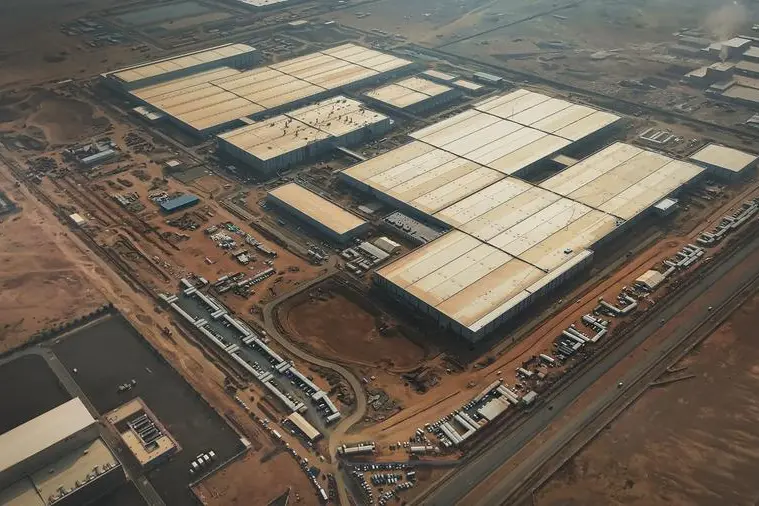
Saudi Arabia’s electric vehicle ambitions have taken a major leap forward as Ceer, the Kingdom’s first homegrown electric vehicle (EV) brand, signed 16 strategic agreements aimed at strengthening localisation and building a robust automotive ecosystem within the country. The move marks a powerful step in Saudi Arabia’s long-term vision to diversify its economy, reduce dependence on oil, and establish itself as a competitive player in the global EV market.
Ceer’s latest agreements focus on developing local supply chains, manufacturing capabilities, and advanced technology partnerships. More than just contracts, these deals represent confidence in Saudi talent, industrial capacity, and the future of clean mobility in the region.
A Bold Step Toward Industrial Transformation
Saudi Arabia has been steadily reshaping its industrial landscape under Vision 2030, with localisation playing a central role. For Ceer, localisation is not just about assembling vehicles locally; it is about building a complete ecosystem that includes parts manufacturing, research and development, logistics, and workforce development.
By signing 16 new agreements, Ceer is accelerating its roadmap to increase local content in its vehicles. This means more components will be manufactured within the Kingdom, more Saudi businesses will participate in the automotive value chain, and more jobs will be created for Saudi nationals.
The agreements span various sectors, including automotive components, logistics services, manufacturing technologies, and supply chain solutions. Together, they form a foundation that will support Ceer’s production goals while strengthening the broader Saudi industrial base.
Building a Homegrown EV Ecosystem
Strengthening the Supply Chain
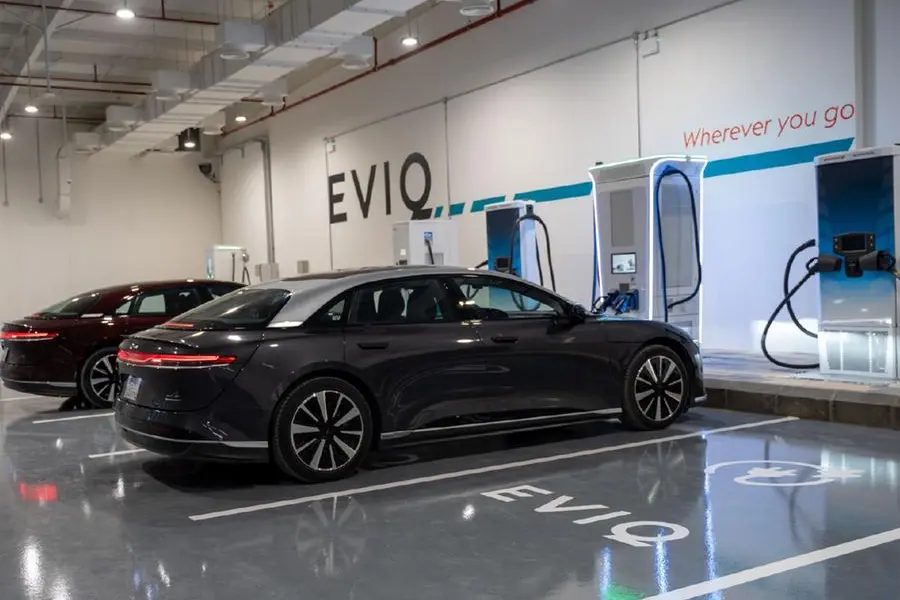
One of the most critical aspects of automotive manufacturing is the supply chain. Electric vehicles require advanced components such as battery systems, electric drivetrains, power electronics, and lightweight materials. Ensuring these components are available locally reduces costs, improves efficiency, and enhances long-term sustainability.
Ceer’s 16 deals are designed to localise key parts of this supply chain. By partnering with both local and international companies willing to invest in Saudi Arabia, Ceer is encouraging knowledge transfer and technological collaboration. This approach ensures that expertise is not only imported but also cultivated within the Kingdom.
Empowering Saudi Businesses
Local suppliers stand to benefit significantly from Ceer’s expansion plans. Small and medium enterprises (SMEs) in Saudi Arabia will gain new opportunities to enter the automotive sector, a field that traditionally demands high standards and advanced manufacturing capabilities.
Through structured partnerships and supplier development programs, Ceer aims to raise quality benchmarks while supporting Saudi companies in meeting global automotive standards. This creates a win-win situation: Ceer secures reliable suppliers, and local businesses gain access to a high-growth industry.
Creating Jobs and Developing Talent
Localisation naturally leads to job creation. From engineering and production roles to logistics and quality control, the ripple effect of Ceer’s agreements will be felt across multiple sectors.
More importantly, the EV sector opens doors for young Saudi talent interested in technology, sustainability, and innovation. Training programs, internships, and collaborations with educational institutions are expected to complement Ceer’s industrial strategy, ensuring that the workforce evolves alongside technological advancements.
Aligning With Vision 2030
Ceer’s expansion is deeply aligned with Saudi Arabia’s Vision 2030 objectives. The Kingdom aims to diversify its economy, increase non-oil GDP contributions, and create high-value jobs for its citizens. The automotive industry, especially electric vehicles, plays a strategic role in achieving these goals.
Electric mobility also supports environmental targets. As global demand shifts toward cleaner transportation solutions, Saudi Arabia is positioning itself as both a consumer and producer of EV technology. By localising production, the Kingdom reduces reliance on imports while strengthening its export potential.
Ceer’s agreements demonstrate how public-private collaboration can drive large-scale transformation. With strong backing and clear direction, the company is becoming a symbol of Saudi Arabia’s industrial evolution.
A Strategic Vision Beyond Assembly
Technology Transfer and Innovation
Localisation is most meaningful when it includes technology transfer. Ceer’s partnerships are expected to bring advanced manufacturing techniques, automation systems, and EV-specific technologies into Saudi Arabia.
This knowledge exchange is essential for long-term competitiveness. Instead of simply assembling imported components, Saudi facilities will gradually develop the capacity to design, test, and manufacture high-tech automotive systems.
Innovation hubs and R&D initiatives could further strengthen Ceer’s position, turning Saudi Arabia into a center for EV development in the Middle East.
Supporting Sustainable Manufacturing
Electric vehicles are closely linked to sustainability, but manufacturing must also align with environmental goals. By building facilities in line with modern efficiency standards, Ceer can reduce emissions, optimize energy usage, and promote sustainable industrial practices.
Local production also reduces transportation emissions associated with importing vehicles and components from abroad. Over time, this integrated approach enhances the environmental benefits of EV adoption.
Boosting Investor Confidence
The signing of 16 deals sends a powerful signal to investors and global automotive players. It demonstrates that Saudi Arabia is serious about building a competitive EV industry, supported by structured planning and strong partnerships.
For international companies, collaboration with Ceer offers access to a rapidly growing market. The Middle East’s demand for electric vehicles is expected to rise significantly in the coming years, driven by government incentives, infrastructure expansion, and shifting consumer preferences.
By anchoring its operations in Saudi Arabia, Ceer can serve not only domestic buyers but also regional and potentially global markets.
The Road Ahead for Ceer
While signing agreements is a crucial milestone, execution will determine long-term success. The coming years will likely see the development of manufacturing plants, supplier facilities, and integrated logistics networks across the Kingdom.
Ceer’s production plans are expected to ramp up gradually, with localisation percentages increasing over time. As local suppliers strengthen their capabilities, the company can reduce reliance on imported components and enhance cost competitiveness.
Consumer expectations will also play a key role. Saudi buyers are increasingly interested in electric mobility, but factors such as charging infrastructure, affordability, and vehicle performance will shape adoption rates. Ceer’s ability to deliver high-quality, reliable EVs will be central to its success story.
Transforming the Kingdom’s Automotive Landscape
Saudi Arabia has long been known as a global energy powerhouse. Now, through initiatives like Ceer, it is redefining its role in the global mobility sector. The shift from oil production to electric vehicle manufacturing represents not a departure from the Kingdom’s strengths, but an evolution of them.
The 16 newly signed agreements are more than business transactions. They represent ambition, collaboration, and a commitment to building something lasting. For Saudi engineers, suppliers, and young professionals, this is an opportunity to be part of a transformative chapter in the nation’s history.
Ceer’s localisation push signals that the Kingdom is not content with being a passive participant in the EV revolution. Instead, it aims to shape its own future, create its own brand, and build its own industrial legacy.
As production ramps up and partnerships mature, Ceer could become a flagship example of how strategic planning, strong leadership, and local empowerment can drive meaningful economic change. The journey is still unfolding, but the direction is clear: Saudi Arabia is powering ahead into an electric future, and Ceer is leading the charge from within.
Do Follow Gulf Magazine on Instagram
Read More:- What If Saudi Vision 2030 Stayed Bold and Unchanged?

