

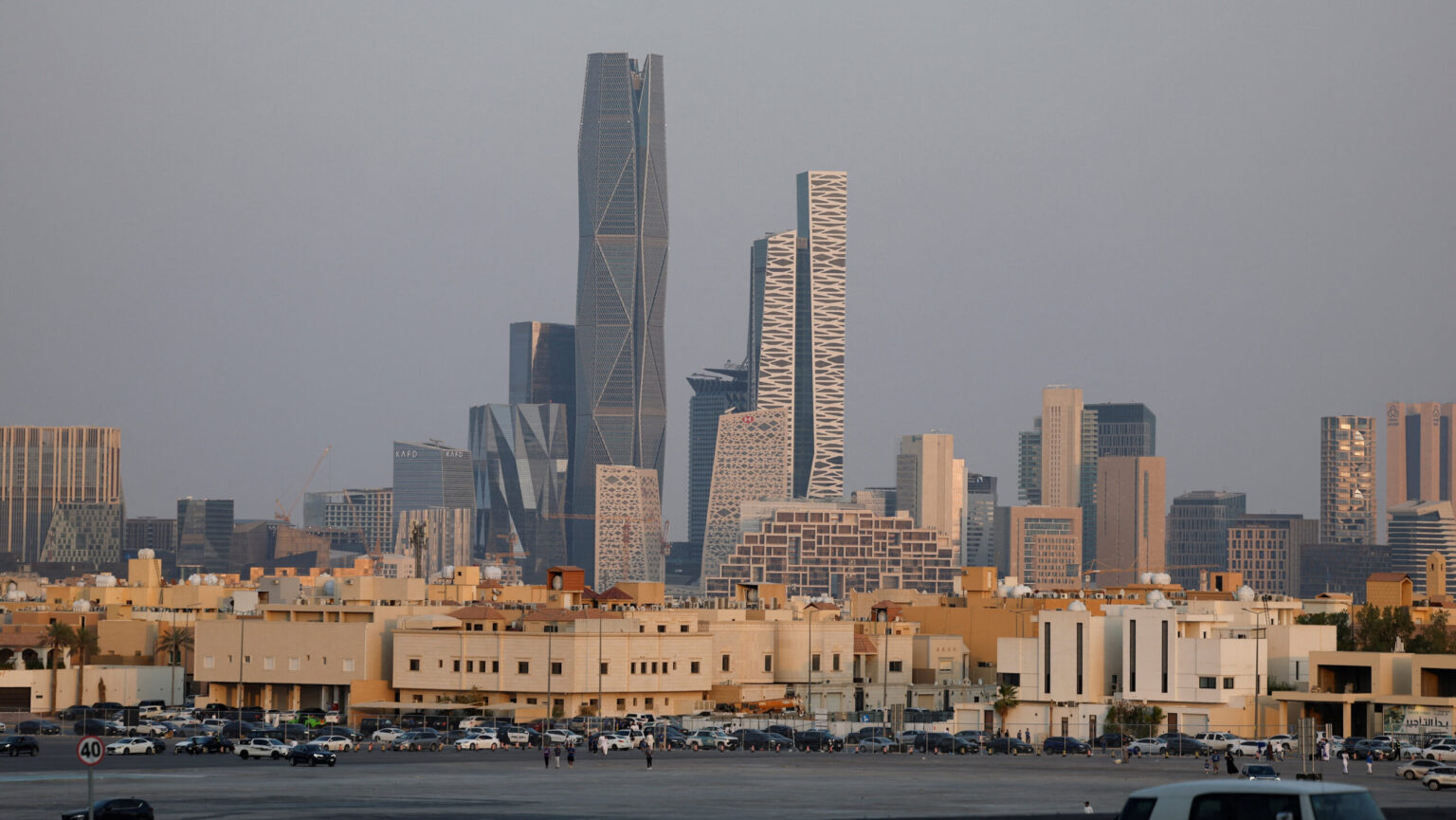
Saudi GDP 2026 Growth Surges with Non-Oil Sector Boom,The Saudi economy is on the brink of a transformative shift, with projections indicating significant GDP expansion by 2026, largely fueled by the non-oil sector. As the Kingdom diversifies its economic foundations, this growth is not only a beacon of financial strength but also a reflection of changing aspirations and opportunities for the younger generation.
The move towards a robust non-oil economy aligns with Saudi Arabia’s Vision 2030, aiming to reduce dependence on oil revenue and stimulate sectors like tourism, entertainment, and technology. This article delves into the implications of Saudi GDP projected expansion in 2026, focusing on the driving forces of the non-oil sector and its impact on youth aspirations in the region.
Understanding the Shift in Saudi Arabia’s Economic Landscape
For decades, Saudi Arabia’s economy was heavily reliant on oil exports, which provided substantial revenue and shaped the nation’s identity. However, fluctuating oil prices and a growing global emphasis on renewable energy have propelled the Kingdom to rethink its economic strategies. The projected expansion of the Saudi GDP by 2026 reflects a deliberate pivot towards a more sustainable and diversified economic model.
This shift is pivotal not just for the country’s economic health but also for the aspirations of its youth. As new sectors emerge, young Saudis are encouraged to pursue careers in industries previously overshadowed by oil, fostering a culture of innovation and entrepreneurship.
The Non-Oil Sector: A Catalyst for Growth
The non-oil sector is poised to be the cornerstone of Saudi GDP growth in the coming years. Areas such as tourism, entertainment, and technology are gaining traction, fueled by substantial investments and government initiatives.
Tourism: A Gateway to New Opportunities
Saudi Arabia has made significant strides in promoting tourism. The introduction of tourist visas and the development of attractions like NEOM and the Red Sea Project are set to draw millions of visitors. This influx not only enhances the GDP but also creates a plethora of jobs for young people, encouraging them to engage in hospitality, event management, and cultural sectors.
Entertainment: Revolutionizing the Cultural Landscape
The entertainment industry is flourishing, with events like the Riyadh Season showcasing the Kingdom’s commitment to becoming a global cultural hub. The growth in this sector provides a platform for youth to express their creativity and pursue careers in arts, music, and media, further enriching the cultural tapestry of Saudi society.
Technology: Empowering the Future Workforce
The tech sector is another vital area for growth, with initiatives aimed at fostering innovation and digital transformation. Investments in startups and tech education are equipping the younger generation with the skills needed to thrive in a rapidly evolving job market. As Saudi Arabia embraces digitalization, careers in information technology, cybersecurity, and data analytics are becoming increasingly attractive.
The Role of Education and Skill Development
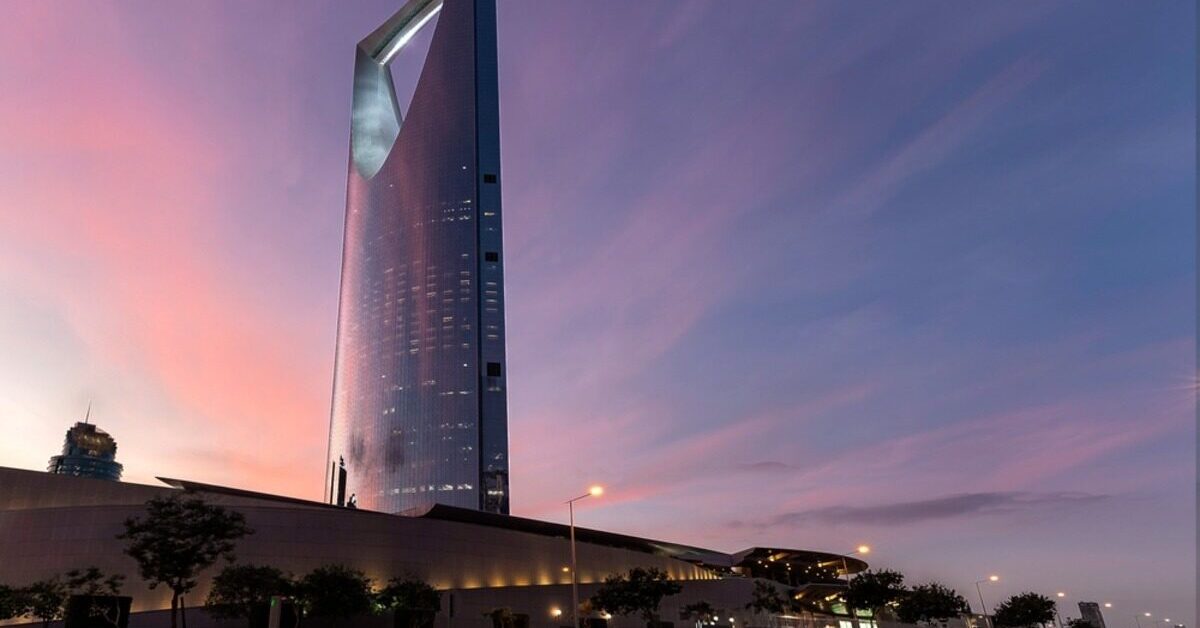
As the non-oil sector expands, education and skill development play a crucial role in preparing the youth for future opportunities. The Kingdom is prioritizing educational reforms that align with market needs, emphasizing STEM fields and vocational training.
Saudi universities are increasingly collaborating with industries to ensure that graduates possess relevant skills. This alignment not only enhances employability but also encourages entrepreneurship, allowing young Saudis to contribute to a dynamic, diversified economy.
Youth Aspirations: A New Horizon
With the projected expansion of the Saudi GDP by 2026 driven by the non-oil sector, the aspirations of the youth are evolving. Young Saudis are now envisioning careers beyond traditional roles associated with the oil industry. The diversification of the economy is inspiring them to pursue fields that align with their passions and interests, fostering a generation of innovators and leaders.
This shift in aspirations is supported by a cultural transformation, where creativity, collaboration, and critical thinking are being celebrated. The rise of social media and digital platforms also enables young individuals to showcase their talents and connect with like-minded peers, further motivating them to chase their dreams.
Challenges Ahead: Navigating the Transition
While the future looks promising, the transition to a diversified economy is not without challenges. The need for a skilled workforce, the integration of new technologies, and potential economic fluctuations are all factors that could impact the projected GDP growth.
Moreover, addressing the aspirations of all youth, including those in rural areas, is essential for balanced economic development. Ensuring access to education and opportunities across the Kingdom will be crucial in achieving the goals set forth in Vision 2030.
Conclusion: A Bright Future for Saudi Arabia
The Saudi GDP projected expansion in 2026 driven by the non-oil sector marks a significant turning point in the Kingdom’s economic journey. As the nation embraces diversification, the youth are at the forefront of this transformation, pursuing new opportunities that align with their aspirations.
With ongoing investments in education, infrastructure, and technology, Saudi Arabia is not only securing a prosperous economic future but also empowering its younger generation to shape the cultural and professional landscape of the Kingdom.
Do follow Gulf Magazine on Instagram.
Also Read – Saudi Non-Oil Growth Strategy Driving Economic Diversification

