

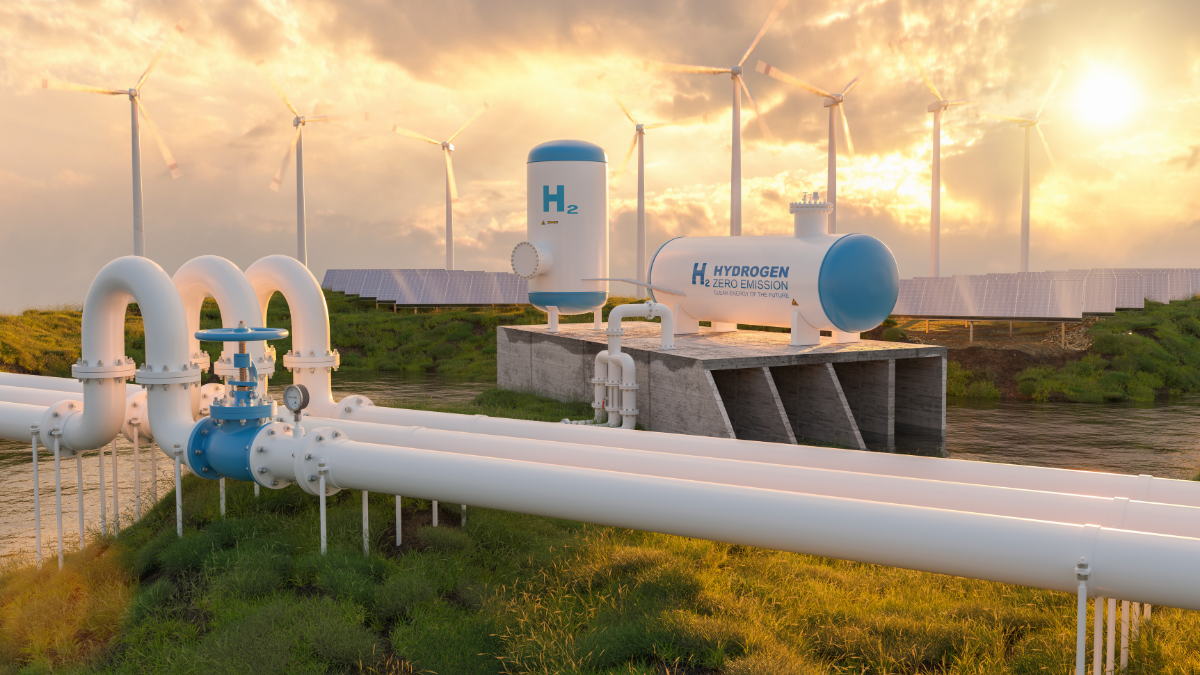
Saudi Arabia’s clean energy ambitions took a confident step forward as a SARCO unit signed an offtake Memorandum of Understanding (MoU) for a major green ammonia project. The agreement marks more than just a commercial milestone; it represents a powerful signal that the Kingdom’s transition toward sustainable energy is moving from vision to real-world execution.
For years, green hydrogen and ammonia have been discussed as the fuels of the future. Now, with concrete agreements taking shape, the future feels much closer. This latest MoU strengthens Saudi Arabia’s position as a global energy leader one that is determined to evolve with the changing demands of the world.
Understanding the Green Ammonia Opportunity
Green ammonia is produced using renewable energy sources such as solar and wind power. Unlike conventional ammonia, which relies heavily on fossil fuels and generates significant carbon emissions, green ammonia is created through a process powered by clean electricity. Hydrogen is extracted from water through electrolysis, then combined with nitrogen from the air to form ammonia—all without releasing carbon dioxide.
Why Green Ammonia Matters
Ammonia has traditionally been used in fertilizers, chemicals, and industrial processes. However, in recent years, it has gained global attention as a clean energy carrier. It can be transported more easily than hydrogen and can serve as a carbon-free fuel for power generation, shipping, and heavy industries.
For Saudi Arabia, this shift is strategic. As a country historically known for oil exports, diversifying into clean fuels ensures long-term relevance in a rapidly transforming global energy market. Green ammonia offers both environmental and economic advantages, making it a cornerstone of the Kingdom’s sustainability strategy.
The Significance of the Offtake MoU
An offtake MoU is more than just a document—it is a commitment. It signals that there is a ready buyer for the product once the project becomes operational. This type of agreement provides confidence to investors, financiers, and project developers.
By signing this offtake MoU, the SARCO unit has essentially strengthened the commercial viability of the green ammonia project. Offtake agreements reduce market uncertainty and demonstrate clear demand. In large-scale energy projects, such assurances are crucial to unlocking funding and accelerating development timelines.
Building Investor Confidence
Energy infrastructure projects require substantial capital investment. Financial institutions and stakeholders look for stable revenue prospects before committing funds. An offtake agreement helps de-risk the project by guaranteeing future sales.
For Saudi Arabia’s green ammonia ambitions, this MoU could act as a catalyst. It sends a strong message to global investors that the Kingdom is serious about leading in clean energy exports and that its projects are backed by tangible market commitments.
Saudi Arabia’s Vision for a Greener Future
This development aligns closely with Saudi Arabia’s broader sustainability goals under Vision 2030. The Kingdom is working to diversify its economy, reduce dependence on oil revenues, and become a global hub for renewable energy.
Leveraging Natural Advantages
Saudi Arabia possesses abundant solar and wind resources, giving it a natural advantage in renewable energy production. With vast desert landscapes and high solar irradiance levels, the country can generate renewable electricity at competitive costs.
These strengths make Saudi Arabia an ideal location for large-scale green hydrogen and ammonia production. By converting renewable electricity into green ammonia, the Kingdom can export clean energy to markets worldwide.
Supporting Global Decarbonization
Countries across Europe, Asia, and other regions are seeking reliable suppliers of low-carbon fuels. Green ammonia offers a practical solution for industries that are difficult to electrify, such as shipping, steel production, and heavy manufacturing.
Through agreements like this offtake MoU, Saudi Arabia is positioning itself as a trusted partner in global decarbonization efforts. The project demonstrates the Kingdom’s willingness to collaborate internationally and contribute to climate solutions.
Economic Impact and Local Opportunities
Beyond environmental benefits, the green ammonia project carries significant economic implications.
Job Creation and Skills Development
Large-scale renewable and clean fuel projects generate employment opportunities during construction and operation phases. Engineers, technicians, project managers, and supply chain specialists are all required to bring such initiatives to life.
Moreover, the development of a green ammonia sector fosters knowledge transfer and technological advancement. Local talent can gain expertise in advanced energy systems, strengthening Saudi Arabia’s workforce for future industries.
Strengthening Industrial Ecosystems
Green ammonia production can stimulate growth across related sectors, including renewable energy infrastructure, water desalination, storage facilities, and logistics. The ripple effect extends throughout the economy, supporting small and medium enterprises alongside major corporations.
By embedding clean energy industries into its economic framework, Saudi Arabia is not only investing in sustainability but also in long-term economic resilience.
The Role of Strategic Partnerships
Large energy transitions rarely happen in isolation. Collaboration between public entities, private companies, technology providers, and international partners is essential.
The SARCO unit’s involvement underscores the importance of experienced players in driving complex energy projects forward. Strategic partnerships allow for risk-sharing, technical expertise, and global market access.
Strengthening Supply Chains
Green ammonia projects require integrated supply chains—from renewable energy generation to hydrogen production, ammonia synthesis, storage, and export logistics. A strong offtake agreement ensures that these interconnected systems operate with clear commercial purpose.
With this MoU in place, stakeholders can move forward with greater clarity and coordination, ensuring that each stage of development aligns with market demand.
Environmental Benefits at the Core
At the heart of the project lies a commitment to sustainability.
Reducing Carbon Emissions
Traditional ammonia production is carbon-intensive. Transitioning to green ammonia significantly reduces greenhouse gas emissions, contributing to global climate targets.
For Saudi Arabia, this represents a shift from being solely an oil powerhouse to becoming a leader in climate-conscious energy solutions. It demonstrates that economic growth and environmental responsibility can go hand in hand.
Enabling Clean Energy Transport
One of the challenges in renewable energy is storage and transportation. Green ammonia offers a practical way to store renewable energy in chemical form and ship it across continents. This makes it easier for countries with limited renewable resources to access clean energy imports.
By producing and exporting green ammonia, Saudi Arabia can help stabilize global clean energy supply chains.
Challenges and the Road Ahead
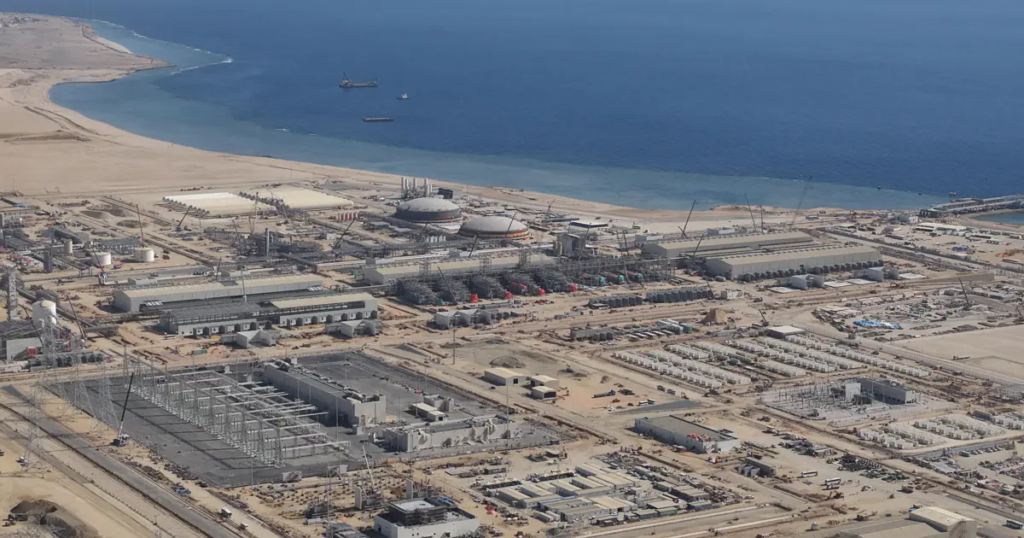
While the signing of the offtake MoU is a promising development, the journey ahead requires careful planning and execution.
Scaling up green ammonia production demands robust infrastructure, advanced technology, and sustained policy support. Electrolyzers, renewable power plants, and export terminals must be developed at scale. Regulatory frameworks must continue to encourage innovation and investment.
However, with clear government backing, strategic partnerships, and confirmed market interest, the foundation appears strong.
A Defining Moment for Saudi Energy Transformation
The SARCO unit’s offtake MoU is more than a commercial agreement—it is a symbol of momentum. It reflects Saudi Arabia’s determination to evolve with global energy trends while leveraging its natural strengths.
The project reinforces the Kingdom’s role as a forward-thinking energy leader, capable of shaping the future rather than reacting to it. As the world accelerates toward decarbonization, agreements like this bring confidence that clean fuels are not just theoretical concepts but emerging realities.
For communities, investors, and global partners alike, this development offers reassurance that Saudi Arabia’s green ambitions are backed by tangible action. The transition to sustainable energy is a complex journey, but milestones such as this one show meaningful progress.
As the green ammonia project moves from planning to implementation, it will stand as a testament to what collaboration, innovation, and strategic vision can achieve. In many ways, this offtake MoU represents not just a deal but a decisive step toward a cleaner, more resilient energy future for Saudi Arabia and beyond.
Do Follow Gulf Magazine on Instagram
Read More:- Saudi Arabia Unveils Powerful Expansion with 20 New Haramain Trains

