

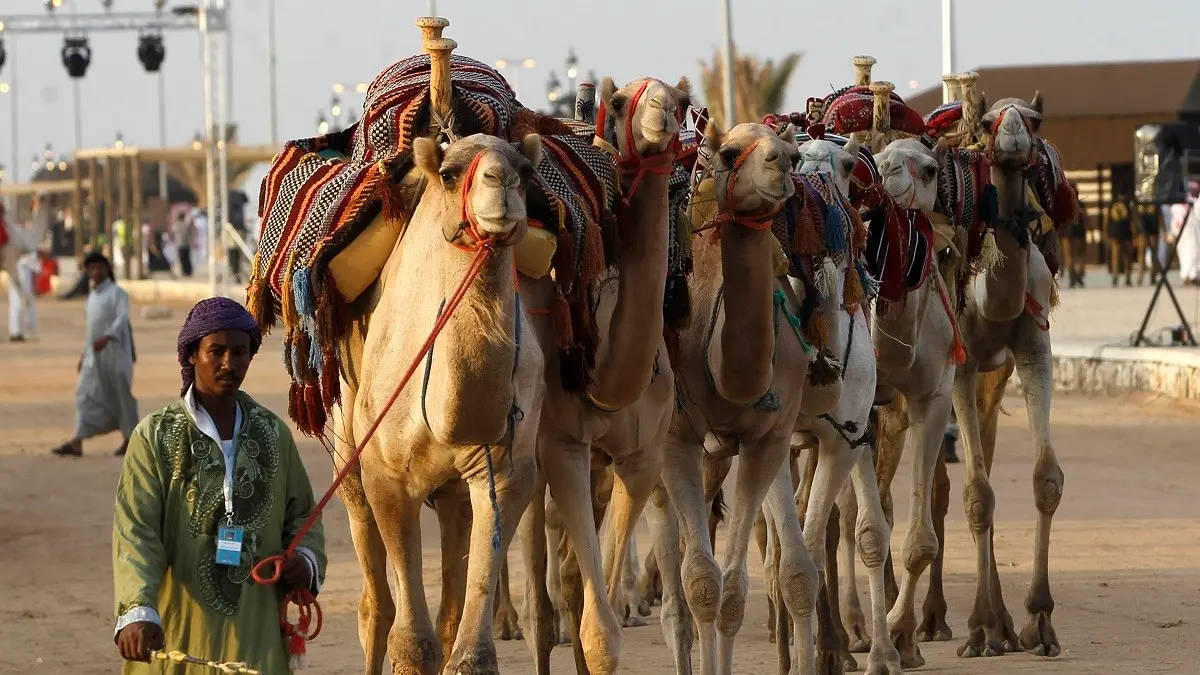
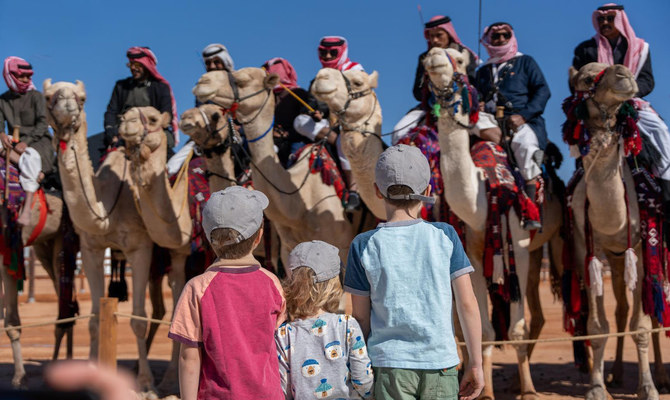
The annual camel festival in Saudi Arabia has become more than just a gathering of camel enthusiasts. This year, the event has taken a vibrant turn by highlighting the rich heritage of Saudi handicrafts. Visitors from across the country and abroad have been drawn not only to the majestic camels but also to the intricately designed handicrafts that reflect the deep cultural roots of the Kingdom.
From colorful textiles to ornate jewelry, the festival has turned into a living museum, where artisans proudly display their work and share stories that span generations. Many attendees have expressed awe at the attention to detail and the skill required to create each piece. These handicrafts, often handcrafted using traditional methods, carry the essence of Saudi culture in every stitch, brushstroke, and carving.
Reviving Traditional Skills
One of the festival’s most notable impacts has been the revival of traditional skills that were slowly fading in modern times. Local artisans, some of whom inherited techniques passed down from their ancestors, have found a renewed platform to showcase their art. Crafts such as weaving, pottery, leatherwork, and metal engraving are now experiencing a resurgence in popularity.
For young Saudis, the festival serves as both inspiration and education. Many visitors are introduced to these crafts for the first time, discovering skills that they may want to pursue as hobbies or careers. The festival organizers have also conducted workshops, allowing attendees to try their hand at pottery or weaving under the guidance of expert artisans. These interactive experiences create a personal connection between the visitors and the cultural heritage of Saudi Arabia.
A Feast for the Senses
Walking through the handicraft section of the festival is a sensory experience unlike any other. The aroma of leather, the glint of polished metal, the vibrant colors of woven fabrics, and the soothing sound of artisans at work combine to create an atmosphere that is both lively and calming. Every stall tells a story, whether it’s a necklace made from delicate silver filigree, a hand-painted ceramic bowl, or an intricately patterned rug.
Many visitors have commented on the uniqueness of these handcrafted items, which stand in stark contrast to mass-produced goods found in stores. Each product carries a personal touch, making it not just an object but a piece of Saudi history. These handicrafts serve as souvenirs that carry a deeper meaning, reminding buyers of the time, effort, and tradition invested in creating them.
Economic Empowerment Through Art
Beyond cultural appreciation, the handicrafts at the camel festival are also empowering local communities economically. Artisans, especially women and young entrepreneurs, are finding opportunities to support their families while keeping traditional crafts alive. Sales from the festival often lead to long-term business prospects, including custom orders and collaborations with international buyers.
Many of these artisans have shared heartfelt stories about how their participation in the festival has transformed their lives. For some, it is the first time their work has been recognized on such a large scale, giving them confidence and hope for the future. By fostering this ecosystem, the festival has become a vital platform for nurturing talent and promoting self-reliance among local communities.

Blending Modernity with Heritage
While the focus remains on traditional handicrafts, the festival has also embraced modern trends that attract younger audiences. Innovative designs and contemporary adaptations of classic crafts have added a fresh dimension to the exhibition. For instance, some artisans combine traditional embroidery with modern fashion styles, creating items that appeal to both local and international buyers.
Social media has played a significant role in amplifying the reach of these crafts. Many visitors share live updates, photos, and videos of the festival, helping to generate global awareness of Saudi artistry. This digital exposure has encouraged more artisans to innovate while maintaining the authenticity of their work.
Stories Behind Every Craft
What sets the handicraft exhibition apart is the stories embedded in each piece. Visitors often spend time learning about the inspirations and histories behind the items on display. For example, a carved wooden camel may represent the Bedouin’s deep connection to these animals, while a woven rug may depict the landscape of a specific region in Saudi Arabia.
These narratives create an emotional bond between the artisan and the audience. Children, families, and tourists alike are captivated by these tales, making the festival not just a marketplace but an educational experience. Attendees leave with more than just souvenirs; they carry memories and knowledge of Saudi culture that they can share with others.
A Gathering for the Future
The camel festival has successfully positioned itself as a celebration of both heritage and innovation. The handicrafts section, in particular, highlights the importance of preserving cultural identity while fostering creativity and entrepreneurship. Organizers are already planning to expand the exhibition in future editions, incorporating more interactive sessions, competitions, and collaborations to further enrich the visitor experience.
For many attendees, the festival has sparked a newfound appreciation for the artisans’ dedication and talent. It serves as a reminder that behind every handcrafted item lies years of practice, patience, and passion. By supporting these artists, visitors play a crucial role in sustaining Saudi Arabia’s cultural legacy.
Conclusion: Celebrating Culture Through Craft
The camel festival in Saudi Arabia is more than a display of majestic animals; it is a celebration of the nation’s vibrant artistic heritage. Handicrafts bring the past into the present, connecting generations through skill, story, and creativity. Visitors leave inspired, carrying a piece of Saudi culture with them and fostering a deeper appreciation for the craftsmanship that defines the Kingdom.
Through such initiatives, Saudi Arabia continues to shine as a hub of culture, innovation, and tradition, proving that the art of handmade craftsmanship is timeless and universally cherished.
Do follow Gulf Magazine on Instagram.
Also Read – Nabt Secures $3.4M Seed Extension to Scale Saudi Arabia’s Fresh-Produce Infrastructure

