

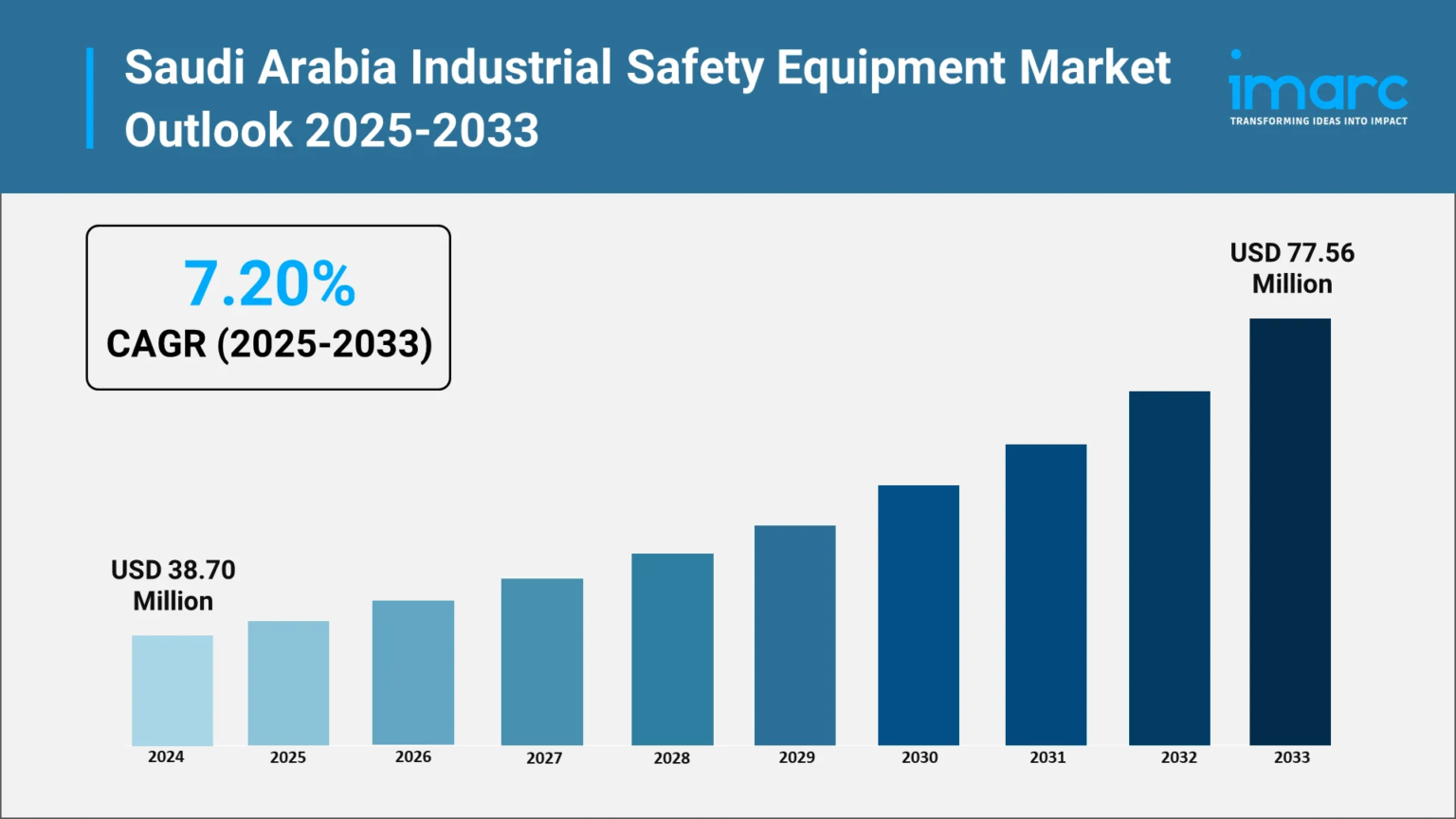
Saudi Arabia’s industrial landscape is transforming at an unprecedented pace. From oil and gas facilities to large-scale construction sites, manufacturing plants, logistics hubs, and emerging renewable energy projects, the Kingdom’s workplaces are becoming more complex and demanding. At the center of this transformation is a growing focus on industrial safety equipment, driven by stricter regulations, heightened awareness of worker welfare, and a broader shift toward international best practices.
Industrial safety is no longer viewed as a regulatory burden alone. It has become a strategic priority for companies that aim to protect their workforce, avoid costly disruptions, and build long-term operational resilience. This shift is shaping the Saudi Arabia industrial safety equipment market, creating strong demand across personal protective equipment, fall protection systems, fire safety solutions, gas detection technologies, and smart safety innovations.
Understanding the Importance of Industrial Safety in Saudi Arabia
Saudi Arabia’s economy relies heavily on industries where workplace risks are inherently high. Oil and gas operations, petrochemicals, mining, heavy manufacturing, and large infrastructure projects involve hazardous environments that demand robust safety measures.
Workplace accidents not only result in human suffering but also lead to financial losses, project delays, reputational damage, and legal consequences. As a result, organizations across the Kingdom are increasingly investing in safety equipment that prevents injuries, minimizes exposure to hazards, and ensures compliance with national and international standards.
This growing recognition of safety as a core business value is one of the strongest drivers of the industrial safety equipment market in Saudi Arabia.
Regulatory Framework Driving Market Growth
Strengthening Occupational Safety Regulations
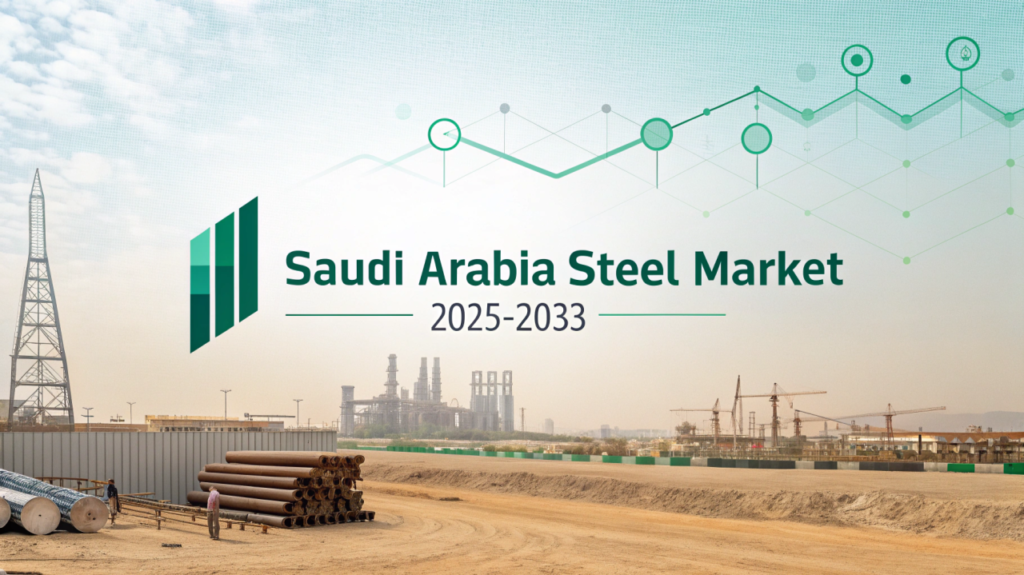
Saudi authorities have significantly strengthened occupational health and safety regulations over the years. Government bodies emphasize the responsibility of employers to provide a safe working environment, supported by regular inspections and penalties for non-compliance.
These regulations cover a wide range of safety requirements, including protective clothing, head and eye protection, respiratory safety, fire prevention systems, and emergency response equipment. Compliance is no longer optional, especially for companies involved in large public or semi-government projects.
Alignment With Global Standards
Many Saudi companies operate in partnership with international firms or serve global markets. This has encouraged alignment with globally recognized safety standards and certifications. As a result, demand is growing for high-quality, certified safety equipment that meets both local regulations and international benchmarks.
This alignment has elevated expectations across the market, pushing suppliers to offer advanced, durable, and compliant safety solutions rather than basic protective gear.
Key Segments in the Industrial Safety Equipment Market
Personal Protective Equipment (PPE)
Personal protective equipment remains the backbone of industrial safety in Saudi Arabia. Helmets, safety goggles, gloves, protective footwear, high-visibility clothing, and respiratory masks are widely used across industries.
Growing Focus on Comfort and Usability
Workers are more likely to use safety gear consistently when it is comfortable and well-designed. As a result, companies are moving away from generic PPE toward ergonomically designed products that offer better fit, breathability, and durability, especially in Saudi Arabia’s hot climate.
Fall Protection Equipment
With extensive construction and infrastructure development underway, fall protection systems are in high demand. Harnesses, lanyards, lifelines, guardrails, and anchor points are essential for ensuring worker safety at heights.
Regulatory inspections often focus heavily on fall protection compliance, making this segment one of the fastest-growing areas within the industrial safety equipment market.
Fire Safety and Prevention Systems
Fire risks are significant in oil refineries, chemical plants, warehouses, and manufacturing facilities. Fire detection, suppression systems, fire-resistant clothing, extinguishers, and alarms are critical components of workplace safety strategies.
Companies are increasingly investing in integrated fire safety systems that offer early detection and rapid response, reducing the potential for catastrophic losses.
Gas Detection and Monitoring Equipment
Industries dealing with hazardous gases require reliable gas detection systems to protect workers from exposure. Portable and fixed gas detectors are widely used to monitor oxygen levels, toxic gases, and combustible atmospheres.
Advancements in sensor technology have improved accuracy and response time, making gas detection equipment a vital part of industrial safety planning in Saudi Arabia.
The Role of Technology in Industrial Safety
Smart Safety Equipment and Digital Monitoring
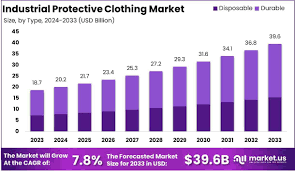
Technology is reshaping how industrial safety is managed. Smart helmets, wearable sensors, and connected PPE are gaining attention for their ability to monitor worker health, detect hazards, and provide real-time alerts.
These technologies help safety managers identify risks early, track compliance, and respond quickly to emergencies. While adoption is still in its early stages, interest is growing as companies explore digital transformation across their operations.
Data-Driven Safety Management
Modern safety equipment increasingly integrates with software platforms that collect and analyze data. This allows organizations to identify recurring safety issues, improve training programs, and demonstrate compliance during audits.
In Saudi Arabia’s large industrial projects, data-driven safety management is becoming a key differentiator for contractors and operators seeking to meet strict safety benchmarks.
Impact of Vision 2030 on the Safety Equipment Market
Saudi Arabia’s Vision 2030 has accelerated industrial diversification and infrastructure development. Mega-projects in construction, transportation, tourism, energy, and manufacturing have expanded the scope of industrial activity across the Kingdom.
With this expansion comes increased responsibility to protect a growing workforce. Vision 2030 emphasizes sustainability, quality of life, and human capital development, all of which support stronger investment in workplace safety.
As new industries emerge and existing sectors modernize, demand for advanced safety equipment is expected to grow steadily.
Challenges Facing the Market
Cost Sensitivity and Budget Constraints
While awareness of safety is increasing, cost remains a concern for some organizations, particularly smaller contractors. Balancing quality, compliance, and affordability can be challenging, especially in price-sensitive segments.
However, many companies are beginning to recognize that investing in reliable safety equipment reduces long-term costs associated with accidents, downtime, and legal liabilities.
Training and Proper Usage
Even the best safety equipment is ineffective if not used correctly. A key challenge in the Saudi market is ensuring that workers are properly trained to use protective gear and follow safety procedures consistently.
This has led to increased emphasis on safety training programs, toolbox talks, and multilingual instruction to accommodate a diverse workforce.
Growing Demand for Localized and Customized Solutions
Saudi Arabia’s industrial environment presents unique challenges, including extreme heat, dust, and demanding working conditions. As a result, there is growing demand for safety equipment designed specifically for local conditions.
Suppliers that offer customized solutions, climate-appropriate materials, and on-ground support are gaining a competitive edge. Localization also supports the Kingdom’s broader goals of developing domestic industries and reducing reliance on imports.
Role of Employers in Promoting Safety Culture
Beyond Compliance
Forward-thinking companies are moving beyond a compliance-only approach to safety. They are building safety cultures where workers feel responsible for their own protection and that of their colleagues.
This cultural shift encourages open communication, reporting of near-misses, and continuous improvement in safety practices.
Employee Engagement and Trust
When employees see their employers investing in high-quality safety equipment, it builds trust and morale. Workers who feel protected are more productive, engaged, and loyal, creating positive outcomes for both employees and organizations.
Future Outlook of the Saudi Industrial Safety Equipment Market
The future of the industrial safety equipment market in Saudi Arabia looks strong and resilient. Continued industrial growth, regulatory enforcement, and rising awareness of worker welfare will sustain demand across all major safety segments.
Innovation will play an increasingly important role, with smart safety solutions, sustainable materials, and integrated safety systems gaining traction. Companies that prioritize safety as part of their core strategy will be better positioned to compete in an evolving industrial landscape.
As Saudi Arabia continues its journey toward economic diversification and global competitiveness, industrial safety will remain a foundational pillar supporting sustainable growth.
Conclusion
Industrial safety equipment is no longer just a mandatory requirement in Saudi Arabia. It has become a symbol of responsible leadership, operational excellence, and long-term vision. From personal protective equipment to advanced monitoring technologies, the market is evolving to meet the demands of a modern, diversified economy.
By investing in workplace protection and embracing regulatory compliance, Saudi industries are not only safeguarding their workforce but also building stronger, more resilient businesses. The ongoing transformation of the Saudi industrial safety equipment market reflects a broader commitment to human wellbeing, efficiency, and sustainable progress.
Do Follow Gulf Magazine on Instagram
Read More:- Gulf Leaders Shape a Bold New Regional Order 2025

