

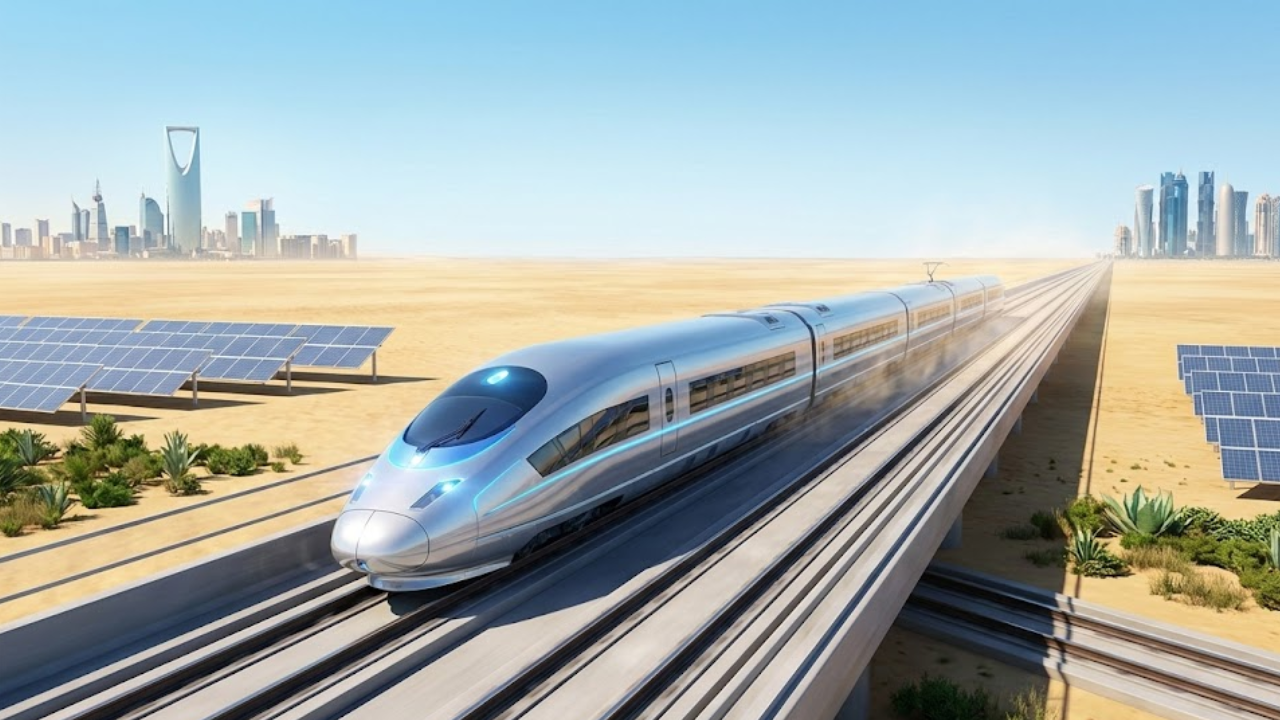
The Gulf is on the brink of a historic transformation. By 2026, Saudi Arabia and Qatar are set to launch a high-speed rail project that promises to redefine how people move, work, and connect across borders. More than just a transportation link, this ambitious rail corridor reflects a shared vision of regional unity, economic growth, and a future built on innovation.
For decades, travel between Saudi Arabia and Qatar has relied mainly on air routes and long road journeys. The upcoming high-speed rail aims to change that reality, offering a faster, greener, and more human-centered way to travel. It is a bold step toward a seamlessly connected Gulf, where borders feel closer and opportunities travel faster.
A Vision Beyond Transportation
This rail project is not just about speed or convenience. It represents a deeper ambition shared by both nations: building infrastructure that supports long-term prosperity and people-first development.
By linking major cities in Saudi Arabia with Doha, the rail line is expected to strengthen economic ties, encourage cultural exchange, and support regional tourism. It aligns closely with Saudi Vision 2030 and Qatar’s National Vision, both of which emphasize sustainable growth, diversification, and global connectivity.
Why This Project Matters Now
The timing of the Saudi Arabia Qatar high-speed rail could not be more significant. The Gulf is experiencing rapid urban development, increased business mobility, and rising tourism demand.
As mega-projects reshape cities and global events draw millions of visitors, the need for efficient cross-border transport has become urgent. This rail link answers that need with a future-ready solution that looks beyond today’s challenges and prepares for tomorrow’s opportunities.
What We Know About the High-Speed Rail
While final technical details continue to evolve, the core idea is clear: a fast, reliable, and modern rail system designed to connect people effortlessly.
The train is expected to operate at high speeds comparable to leading global rail networks, cutting travel time between Saudi Arabia and Qatar from hours to a smooth and comfortable journey. Stations are likely to be integrated with existing transport hubs, ensuring easy access for both residents and visitors.
Comfort, Speed, and Experience
High-speed rail is not only about arriving faster. It is about traveling better.
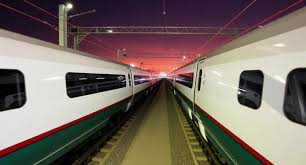
Passengers can expect spacious seating, modern interiors, digital connectivity, and a calm travel environment that contrasts sharply with crowded airports or long highway drives. The journey itself becomes part of the experience, allowing travelers to relax, work, or simply enjoy the changing desert landscapes.
Economic Impact Across the Gulf
The economic implications of this project are vast. By improving connectivity, the rail line is expected to unlock new trade routes, attract investment, and create thousands of jobs during both construction and operation.
Businesses will benefit from faster movement of professionals and easier access to markets. Small and medium enterprises, especially in tourism, logistics, and services, are likely to see increased demand as cross-border travel becomes more accessible.
Boosting Tourism and Events
Tourism stands to gain enormously. Visitors will be able to explore multiple Gulf destinations in a single trip, moving easily between Saudi Arabia and Qatar without the hassle of air travel.
Major events, cultural festivals, and sporting competitions will become more interconnected, encouraging longer stays and richer travel experiences. The rail line supports the idea of the Gulf as a unified tourism region rather than isolated destinations.
A Symbol of Regional Cooperation
Beyond economics, the Saudi–Qatar high-speed rail carries symbolic weight. It reflects renewed cooperation and a shared commitment to progress through collaboration.
Infrastructure projects of this scale require trust, alignment, and long-term planning. The rail initiative sends a powerful message that regional partnerships are not only possible but essential for sustainable growth.
Strengthening People-to-People Connections
At its heart, this project is about people. Families with ties across borders, professionals working in multiple cities, and students pursuing opportunities abroad will all benefit from easier movement.
The rail line shortens distances not just on the map, but in daily life. It allows relationships, ideas, and cultures to flow more freely, strengthening social bonds across the region.
Sustainability at the Core
Environmental considerations are central to the high-speed rail vision. Compared to road and air travel, rail offers a significantly lower carbon footprint per passenger.
As Saudi Arabia and Qatar invest heavily in sustainability and clean energy, the rail project supports their climate goals by promoting greener mobility. Energy-efficient systems, smart station design, and future integration with renewable energy sources are expected to play a role.
Reducing Congestion and Emissions
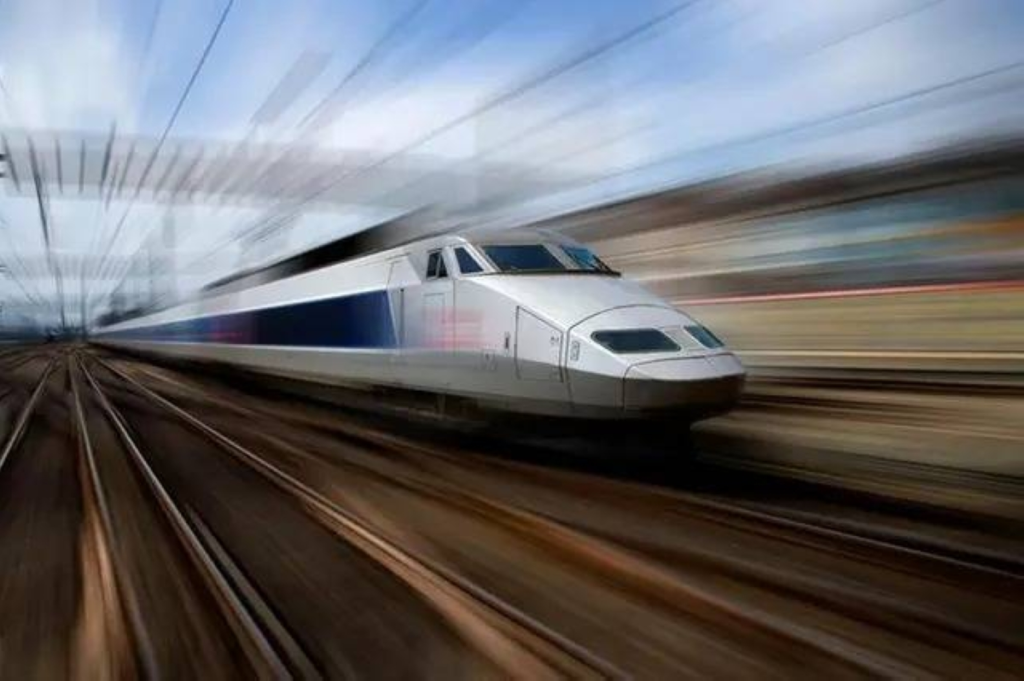
By shifting travelers from cars and planes to rail, the project can help reduce highway congestion and lower overall emissions. This contributes to cleaner air, quieter cities, and a more balanced transport ecosystem.
For a region experiencing rapid urban expansion, such benefits are not just desirable but necessary.
Challenges and Expectations
Like any mega-project, the Saudi–Qatar high-speed rail faces challenges. Cross-border regulations, technical coordination, and large-scale construction require careful planning and execution.
Public expectations are also high. Travelers will look for affordability, reliability, and seamless border procedures. Meeting these expectations will be key to the project’s long-term success.
Building Trust Through Delivery
Delivering the project on time and at promised standards will build public confidence in future regional infrastructure initiatives. Success here could pave the way for additional rail links across the Gulf, potentially connecting multiple countries into a unified network.
What This Means for the Future of Gulf Travel
The launch of the Saudi Arabia–Qatar high-speed rail in 2026 could mark the beginning of a new travel culture in the region. One where trains are not just an alternative, but a preferred choice.
It challenges long-held assumptions about mobility in the Gulf and introduces a model that prioritizes efficiency, sustainability, and human experience.
A Step Toward a Connected Gulf Network
Many observers see this project as the foundation for a broader Gulf rail system. A future where residents and tourists can travel seamlessly across countries by train is no longer a distant dream.
The Saudi–Qatar link could become the backbone of this vision, inspiring further collaboration and investment across the region.
A Journey That Redefines Progress
As 2026 approaches, anticipation continues to grow. The Saudi Arabia–Qatar high-speed rail is more than steel tracks and fast trains. It is a statement of intent.
It reflects confidence in the region’s future, belief in cooperation, and a commitment to building infrastructure that serves people, not just cities. When the first train departs, it will carry more than passengers. It will carry the hopes of a more connected, dynamic, and forward-looking Gulf.
Do follow Gulf Magazine on Instagram.
Also Read – Sam Bartram: The Goalkeeper Who Played On When Football Stopped

