

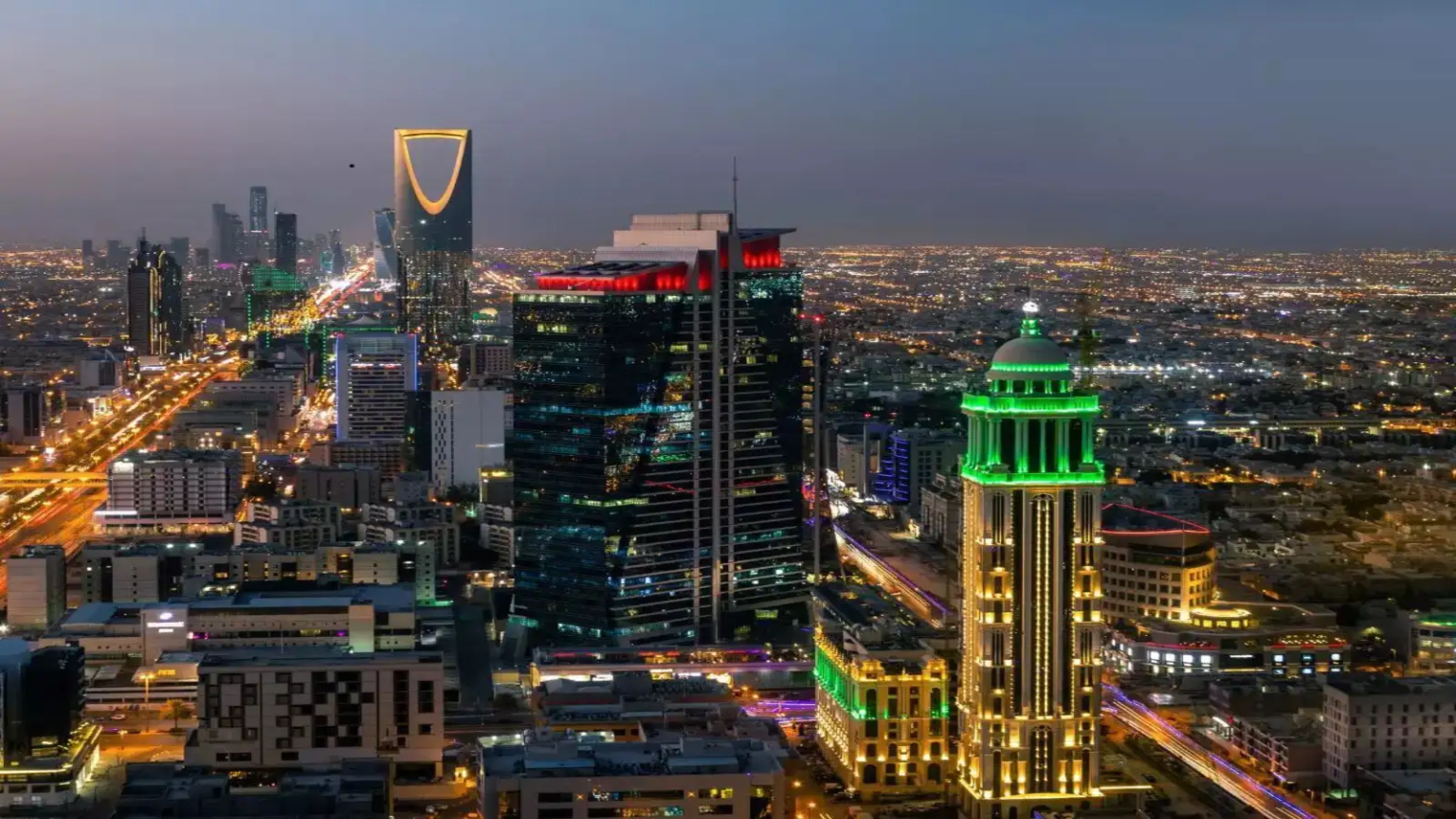
Saudi Arabia’s real estate sector is entering a new sustainability phase as Riyadh Voluntary Carbon Market (RiyadhVCM) joins forces with ROSHN Group to design a carbon credit framework tailored specifically for property development.
This partnership signals a shift in how large-scale urban projects will be planned, financed, and evaluated in the Kingdom. Rather than treating environmental responsibility as an optional add-on, the initiative aims to embed measurable carbon reduction targets directly into real estate planning and construction.
The collaboration reflects Saudi Arabia’s growing commitment to climate responsibility while maintaining rapid urban expansion. With massive housing projects, mixed-use developments, and smart cities rising across the country, the framework is expected to guide developers toward more sustainable building practices without slowing economic momentum.
Why Carbon Credits Matter for Real Estate
Understanding the Role of Carbon Markets
Carbon credits allow organizations to offset emissions by investing in environmental projects that reduce or remove greenhouse gases. For industries such as real estate, which depend heavily on construction materials, energy use, and infrastructure, these credits provide a structured way to account for environmental impact.
The new framework will help developers quantify emissions generated during construction and operations. It will also create a pathway to compensate for those emissions through verified environmental initiatives, ranging from renewable energy investments to nature-based solutions such as reforestation.
By formalizing this process, the partnership aims to introduce a consistent sustainability benchmark across the Saudi property sector. This will make environmental performance easier to track, compare, and improve over time.
Aligning Profitability With Sustainability

One of the biggest challenges for developers worldwide is balancing financial returns with environmental responsibility. The RiyadhVCM-ROSHN collaboration addresses this by linking carbon performance with long-term investment value.
Buildings that demonstrate lower emissions, efficient energy use, and sustainable materials often achieve stronger investor confidence, higher occupancy demand, and better long-term valuation. A carbon credit system tailored to real estate could therefore transform sustainability from a regulatory burden into a competitive advantage.
For developers, this means environmental responsibility becomes part of business strategy rather than a compliance exercise.
ROSHN’s Role in Driving Sustainable Communities
Building More Than Housing
ROSHN Group has become one of Saudi Arabia’s most influential real estate developers, known for delivering large-scale residential communities designed around quality of life, accessibility, and modern urban planning.
By participating in the carbon credit framework, ROSHN is expanding its role beyond building homes. The company is positioning itself as a driver of responsible urban development, where sustainability is integrated into everything from infrastructure design to energy management.
Future ROSHN communities could feature renewable energy solutions, water-efficient systems, greener construction materials, and transport planning that reduces emissions. The carbon framework will help measure these efforts and translate them into tangible environmental value.
A Model for the Wider Sector
Because of ROSHN’s scale and influence, its participation could set a precedent for other developers across the Kingdom. If successful, the framework could become a blueprint adopted by both public and private real estate projects.
This ripple effect would accelerate the shift toward low-carbon urban growth, especially as investors increasingly prioritize environmentally responsible projects.
RiyadhVCM’s Expanding Influence
Strengthening the Voluntary Carbon Market
RiyadhVCM has been central to Saudi Arabia’s ambition to become a regional hub for voluntary carbon trading. Its involvement ensures the new framework aligns with international carbon accounting standards while remaining relevant to local construction realities.
The organization’s expertise will help verify emissions data, standardize measurement tools, and connect real estate projects with credible offset opportunities.
This combination of local market insight and global carbon expertise could make the framework one of the most comprehensive sustainability tools introduced in the Middle East property sector.
Supporting National Sustainability Goals
The initiative also supports Saudi Arabia’s broader climate and economic strategies, particularly its ambition to reduce emissions while diversifying the economy.
Real estate is one of the Kingdom’s fastest-growing industries, meaning its environmental footprint will significantly influence national sustainability outcomes.
By targeting this sector, RiyadhVCM’s collaboration with ROSHN addresses emissions at their source while encouraging innovation in construction technology, materials, and urban design.
What This Means for Investors and Buyers
Rising Demand for Green Properties
Globally, environmentally responsible properties are attracting stronger interest from both institutional investors and individual buyers. Energy-efficient buildings typically offer lower operating costs, healthier indoor environments, and stronger long-term value retention.
With a carbon credit framework in place, Saudi real estate projects could become more attractive to international investors who prioritize sustainability metrics.
This may also influence buyer preferences, particularly among younger homeowners who increasingly value environmentally responsible living spaces.
Greater Transparency and Accountability
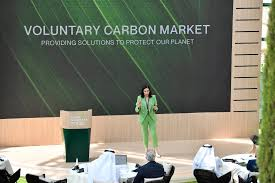
One of the most significant outcomes of the partnership will be improved transparency. Carbon accounting systems provide clear data on emissions performance, allowing stakeholders to understand the environmental impact of a development.
This transparency builds trust between developers, investors, regulators, and residents. It also encourages continuous improvement, as companies can track progress and refine strategies to reduce emissions further.
The Future of Sustainable Real Estate in Saudi Arabia
The RiyadhVCM-ROSHN partnership represents more than a policy initiative; it reflects a broader transformation in how cities are envisioned.
Saudi Arabia is investing heavily in modern infrastructure, new residential districts, and mixed-use developments designed for future generations. Integrating carbon accountability into this growth ensures that expansion does not come at the cost of environmental responsibility.
If implemented successfully, the framework could influence how buildings are designed, how materials are sourced, and how communities are powered. It may also inspire innovation in green construction technology and encourage collaboration between developers, environmental experts, and policymakers.
A Turning Point for Responsible Development
The partnership between RiyadhVCM and ROSHN Group signals a new era for the Saudi property sector, one where sustainability and growth move forward together.
By developing a carbon credit framework specifically for real estate, the initiative acknowledges that environmental responsibility must be practical, measurable, and integrated into the development process itself.
As Saudi cities continue to expand, this approach could ensure that the Kingdom’s urban future is not only ambitious and modern but also environmentally resilient.
Do Follow Gulf Magazine on Instagram
Read More:- Saudi Arabia Appoints Powerful New Investment Minister by Royal Decree

