

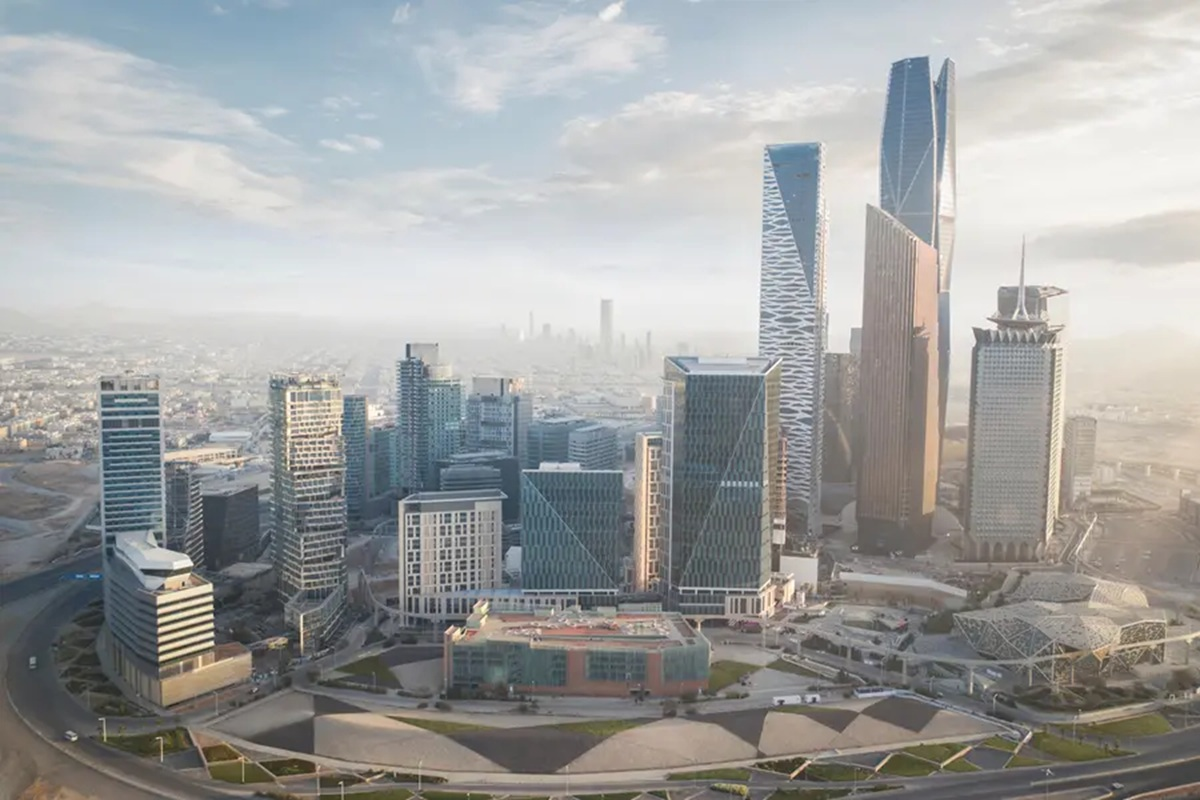
The Saudi real estate market has long been characterized by periods of rapid growth followed by temporary slowdowns. Investors and developers often experienced bursts of optimism fueled by short-term trends and government initiatives. However, recent years have marked a significant turning point. The market is now transitioning from these temporary upswings to a phase of operational maturity, reflecting stability, strategic planning, and sustainable growth.
This shift is not just a reflection of economic policy but also a response to evolving demand patterns, urban planning strategies, and technological adoption in property management. Saudi Arabia’s real estate is no longer just about quick profits; it is becoming a structured ecosystem with long-term value creation at its core.
Factors Driving Market Maturity
Strategic Government Initiatives
The Saudi government has played a pivotal role in stabilizing and maturing the real estate sector. Vision 2030, the national blueprint for economic diversification, has placed real estate at the center of urban development, tourism, and foreign investment strategies. Large-scale projects like NEOM, Red Sea City, and Qiddiya are designed not only as ambitious constructions but also as catalysts for operational efficiency, sustainability, and long-term profitability.
In addition, regulatory reforms have streamlined property registration, licensing, and foreign ownership rules. These changes reduce uncertainty for investors and developers, fostering confidence in the market’s stability.
Shifting Demand Dynamics
Consumer behavior is also evolving. Saudi residents are increasingly looking for well-planned residential communities, commercial hubs, and mixed-use developments rather than short-term rental opportunities or speculative investments. This demand shift encourages developers to focus on quality, sustainability, and operational excellence rather than just rapid construction.
Furthermore, millennials and younger buyers are prioritizing modern amenities, smart home technology, and community-focused living spaces. Developers who align their projects with these expectations are seeing higher occupancy rates and stronger long-term returns.
Technology and Operational Efficiency
Operational maturity in the real estate sector is increasingly linked to technology. Property management software, smart building solutions, and digital platforms for leasing and transactions are improving efficiency and transparency. These innovations allow developers and investors to optimize costs, improve tenant satisfaction, and maintain property value over time.
For instance, predictive analytics in property valuation and rental trends enable developers to make informed decisions. Smart infrastructure, including energy-efficient systems and IoT integration, is becoming a standard rather than a luxury, contributing to the overall stability of the market.
The Role of Commercial and Residential Markets
Residential Real Estate
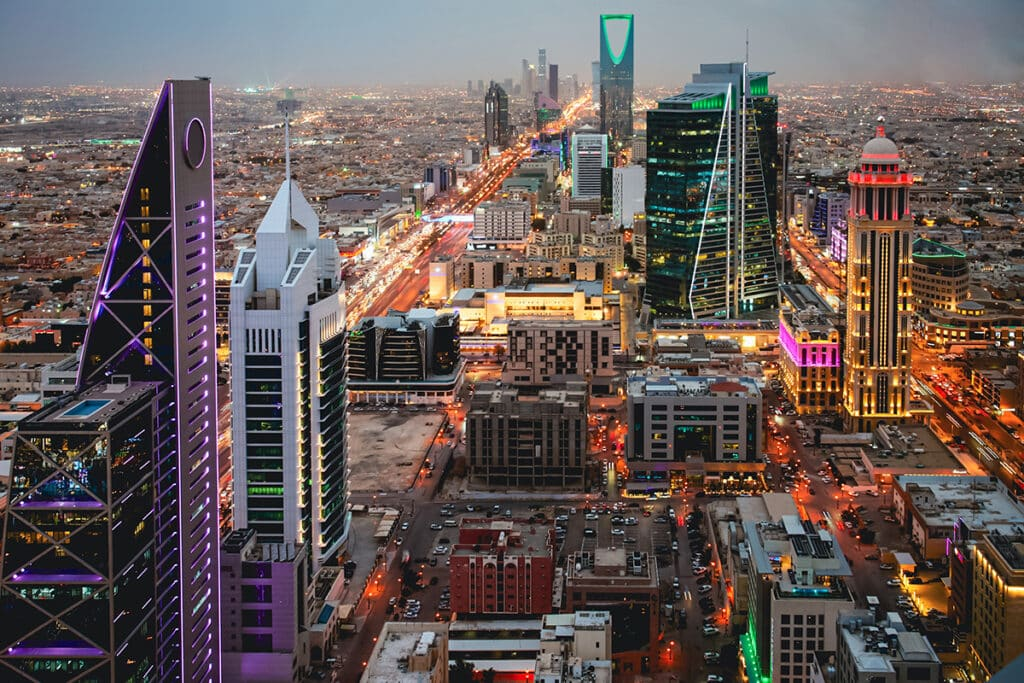
The residential sector in Saudi Arabia is witnessing a transformation from sporadic demand surges to consistent growth patterns. Developers are prioritizing long-term rental projects, gated communities, and sustainable housing solutions. Affordable housing programs, supported by government financing initiatives, have also made homeownership more accessible, further stabilizing demand.
These trends indicate that residential real estate is no longer merely a speculative venture but a mature market segment where operational planning and sustainable development are key to profitability.
Commercial Real Estate
Commercial real estate is similarly evolving. Offices, retail spaces, and industrial properties are increasingly designed with operational maturity in mind. Mixed-use developments, co-working spaces, and flexible leasing options are attracting both local and international businesses.
Retail properties are also being reimagined to cater to evolving consumer behavior, combining traditional shopping with entertainment, dining, and digital engagement. This operational focus ensures steady cash flows and reduces the risks associated with short-term market fluctuations.
Investment Patterns Reflect Stability
Investors are now approaching the Saudi real estate market with a long-term perspective. International investors, in particular, are showing interest in well-managed, income-generating properties rather than speculative projects. Real estate investment trusts (REITs) are gaining traction, offering both liquidity and steady returns, which reflects a market moving towards operational maturity.
Domestic investors are also benefiting from a more transparent regulatory environment and improved financing options. Banks and financial institutions are offering structured loans and mortgages that support sustainable growth rather than temporary gains. This combination of local and international confidence reinforces the maturity of the sector.
Challenges in Achieving Full Operational Maturity
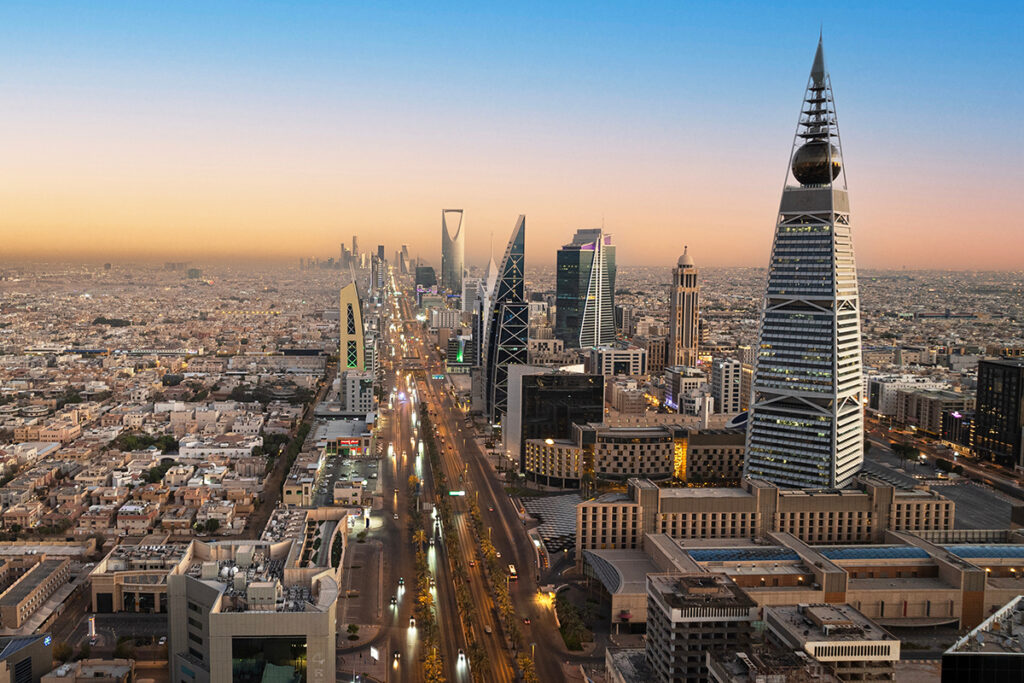
While progress is evident, the market still faces challenges. Land supply constraints, bureaucratic delays in project approvals, and fluctuating construction costs can disrupt operational efficiency. Additionally, integrating sustainability standards across all developments remains a work in progress.
However, these challenges are increasingly being addressed through policy adjustments, technology adoption, and stakeholder collaboration. The sector’s ability to navigate these hurdles will determine how quickly it achieves full operational maturity.
The Future Outlook
Looking ahead, the Saudi real estate market is positioned for continued stability and growth. Operational maturity will likely drive higher returns for investors, better quality housing and commercial spaces for residents and businesses, and stronger alignment with Vision 2030’s broader economic goals.
We can also expect further integration of technology, increased emphasis on sustainability, and innovative urban planning solutions. As developers and investors focus on efficiency, quality, and long-term planning, the market is set to transition from cyclical ups and downs to a more predictable and reliable ecosystem.
The market’s evolution also opens new opportunities for international partnerships, private equity investments, and specialized real estate services. With operational maturity, Saudi real estate is not just recovering from temporary booms but emerging as a benchmark for strategic growth in the region.
Conclusion
Saudi Arabia’s real estate sector has moved beyond the era of temporary upswings. The combination of strategic government initiatives, evolving consumer demand, technological integration, and investor confidence has fostered operational maturity.
This transformation benefits developers, investors, and residents alike. Long-term planning, efficient property management, and sustainable urban development are now central to the market. The Saudi real estate industry is no longer just chasing quick gains—it is building a solid foundation for enduring growth and prosperity.
As the sector continues to mature, it promises to become one of the most stable and lucrative real estate markets in the Middle East, reflecting a market that is ready to meet both domestic and international expectations with professionalism, efficiency, and vision.
Do Follow Gulf Magazine on Instagram
Read More:- IHG and SEDCO Capital Bring Luxury to Jeddah’s Grand Square 2025

