

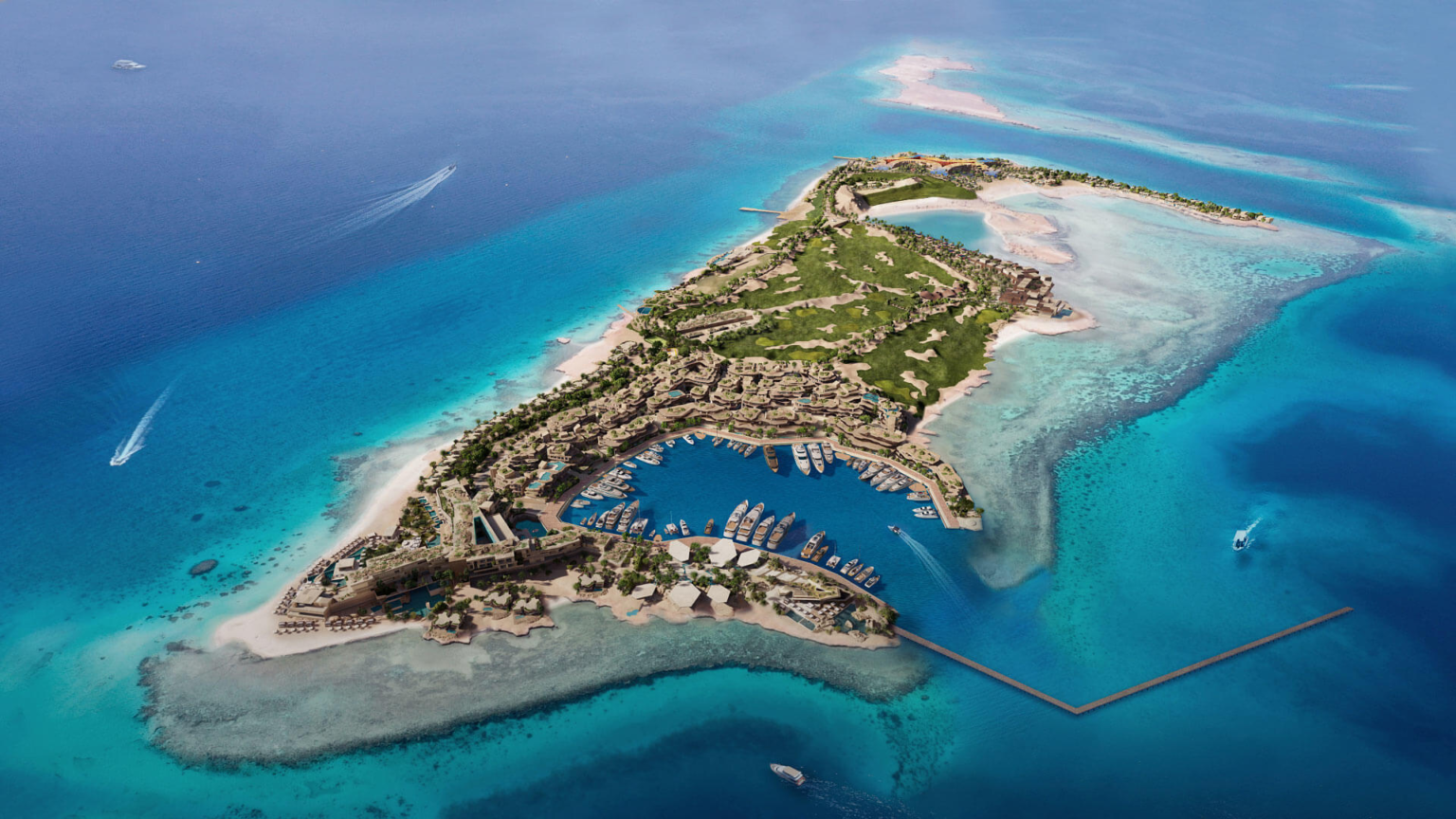
The Saudi Red Sea is emerging as a beacon of sustainable tourism, showcasing a commitment to preserving its unique ecosystems while providing unforgettable experiences for visitors. As the world increasingly values sustainability, the updates surrounding the Saudi Red Sea sustainability tourism strategy reflect a broader shift towards eco-conscious travel. This article dives deep into the latest developments in this strategy, exploring how they aim to create a balance between tourism growth and environmental preservation.
Unveiling the Vision: What is the Saudi Red Sea Sustainability Tourism Strategy?
The Saudi Red Sea sustainability tourism strategy is an ambitious initiative designed to protect the pristine marine environment of the Red Sea while promoting the region as a premier travel destination. By integrating sustainable practices into tourism development, Saudi Arabia is striving to create a model that other regions can emulate.
This strategy encompasses a variety of goals, including conserving biodiversity, reducing carbon footprints, and enhancing the wellbeing of local communities. It aims to create a sustainable tourism framework that allows visitors to engage with the natural beauty of the Red Sea without compromising its ecological integrity.
How the Strategy Promotes Eco-Friendly Development Initiatives
One of the key updates to the Saudi Red Sea sustainability tourism strategy is the focus on eco-friendly development initiatives. These initiatives are designed to align tourism development with environmental conservation. Here’s how the strategy promotes sustainability:
Green Building Practices: New hotels and resorts are being designed with sustainability at their core. This includes using renewable energy sources, sustainable materials, and efficient waste management systems.
Marine Conservation Areas: Establishing marine protected areas helps to safeguard vital habitats for marine life. The strategy encourages the creation of zones where tourism activities are regulated to minimize impact on vulnerable ecosystems.
Sustainable Transport Solutions: The strategy emphasizes reducing emissions from transportation. This includes promoting electric vehicles and enhancing public transport options for tourists.
Local Community Engagement: Involving local communities in tourism development ensures that they benefit economically while preserving their cultural heritage. This includes training programs and partnerships with local businesses.
Spotlight on Innovative Tourist Experiences in the Red Sea
The Saudi Red Sea sustainability tourism strategy also focuses on creating unique experiences for tourists that highlight the region’s natural beauty and cultural richness. Here are some innovative experiences being developed:
Eco-Tours: Guided eco-tours allow visitors to explore the underwater wonders of the Red Sea while learning about marine conservation efforts. This educational aspect enhances tourists’ appreciation for the ecosystem.
Cultural Immersion Programs: Tourists can engage with local communities through workshops and cultural exchanges, fostering a deeper understanding of the region’s history and traditions.
Adventure and Wellness Retreats: Integrating adventure tourism with wellness retreats creates a holistic experience that promotes both physical and mental well-being, all set against the stunning backdrop of the Red Sea.
Regulatory Framework: Ensuring Compliance and Accountability
To ensure the successful implementation of the Saudi Red Sea sustainability tourism strategy, a robust regulatory framework has been established. This framework is critical for holding stakeholders accountable and ensuring compliance with environmental standards. Key aspects include:
Regular Assessments: Ongoing assessments of tourism developments help identify potential environmental impacts and allow for timely interventions.
Strict Guidelines for Operators: Tourism operators are required to adhere to strict environmental guidelines, ensuring that their activities do not harm the ecosystem.
Collaborative Efforts: Government agencies, environmental organizations, and tourism operators are working together to create a unified approach to sustainability.
The Role of Technology in Promoting Sustainable Tourism
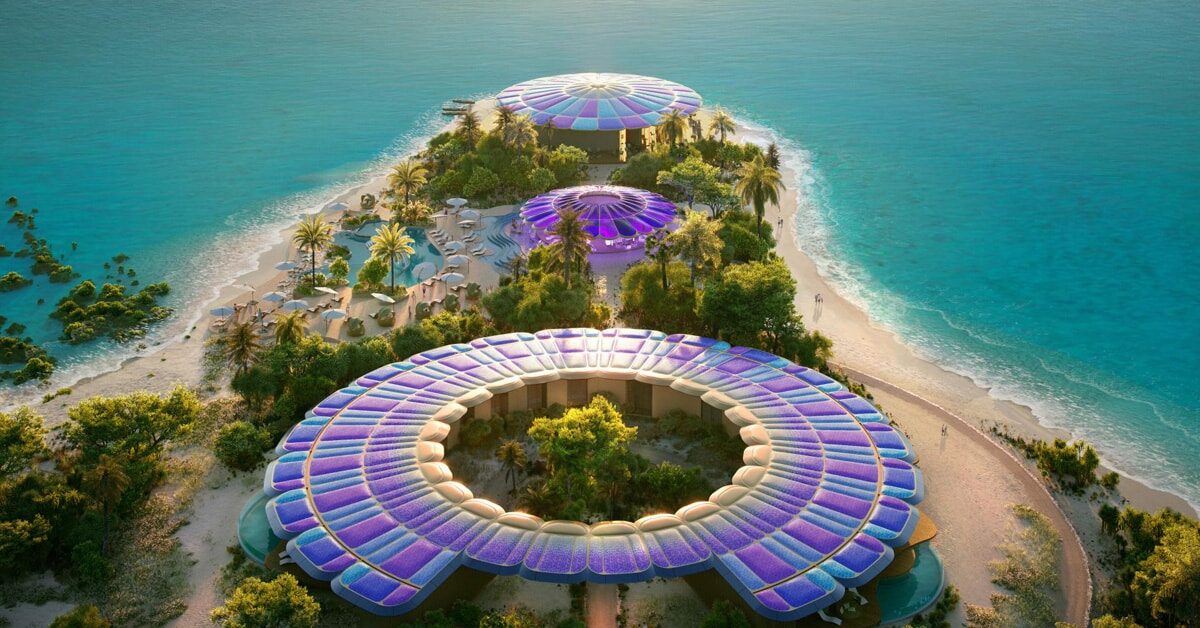
Technology plays a pivotal role in the Saudi Red Sea sustainability tourism strategy, enabling more efficient management of resources and enhancing the tourist experience. Here are a few ways technology is being leveraged:
Smart Resource Management: Advanced technologies are used to monitor environmental conditions, ensuring that tourism activities do not exceed the threshold of sustainability.
Digital Platforms for Education: Online platforms provide tourists with valuable information about sustainable practices and the importance of protecting the Red Sea environment.
Virtual Reality Experiences: Using virtual reality, potential visitors can explore the beauty of the Red Sea from anywhere in the world, fostering a desire to visit responsibly.
Challenges and Opportunities in Implementing the Strategy
While the Saudi Red Sea sustainability tourism strategy has made significant strides, it also faces challenges that need to be addressed. Some of the key challenges include:
Balancing Growth with Conservation: As tourism continues to grow, finding the right balance between attracting visitors and preserving the environment is critical.
Infrastructure Development: Ensuring that infrastructure development aligns with sustainability goals can be challenging, requiring careful planning and execution.
Public Awareness and Engagement: Increasing awareness about the importance of sustainable tourism among both tourists and locals is essential for the success of the strategy.
Despite these challenges, there are ample opportunities for growth and innovation. The global trend towards sustainable travel presents a unique chance for the Saudi Red Sea to position itself as a leader in eco-friendly tourism.
The Future of Saudi Red Sea Sustainability Tourism Strategy
The future of the Saudi Red Sea sustainability tourism strategy looks promising, with ongoing investments in eco-friendly initiatives and a commitment to environmental stewardship. The focus on sustainability not only enhances the visitor experience but also ensures the long-term health of the Red Sea ecosystem.
As global travelers become more conscious of their environmental impact, the Saudi Red Sea is well-positioned to attract eco-conscious tourists seeking authentic and sustainable experiences. By continually evolving its strategy and embracing innovative practices, the region can set a benchmark for sustainable tourism worldwide.
Conclusion: Embrace the Journey Towards Sustainable Tourism
The Saudi Red Sea sustainability tourism strategy updates reflect a remarkable commitment to preserving one of the world’s most beautiful marine environments. By focusing on eco-friendly development, innovative experiences, regulatory frameworks, and technological advancements, Saudi Arabia is paving the way for a new era of sustainable tourism.
As travelers increasingly seek to engage with nature responsibly, the Saudi Red Sea offers an exemplary model of how tourism can thrive alongside environmental conservation. Embracing this journey towards sustainable tourism not only benefits the planet but enriches the experiences of every visitor to this stunning region.
Do Follow Gulf Magazine on Instagram
Also read: Al Batinah South Governorate: A Region Full of Growth and Beauty

