

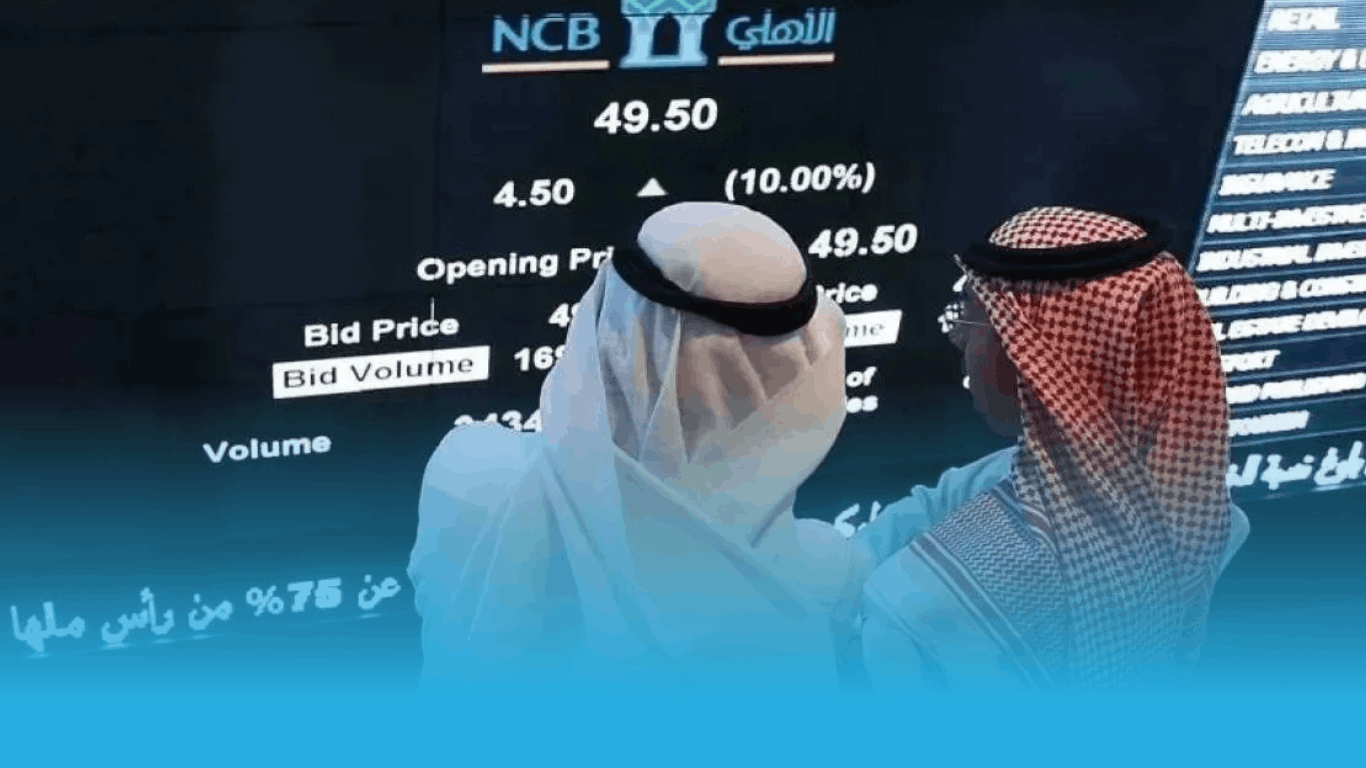
Saudi Arabia’s stock market is witnessing a quiet yet powerful shift. For years, technology-driven growth stories captured the imagination of investors. Big names, bold visions, and digital transformation narratives fueled confidence and valuations alike. But now, as uncertainty creeps into global tech markets and valuations appear stretched, investors in the Kingdom are recalibrating their strategies.
Instead of chasing high-growth tech names, many are turning toward smaller, cheaper stocks—companies that may not grab headlines but offer solid fundamentals, attractive valuations, and room for meaningful upside. This rotation is not driven by fear alone; it is also fueled by discipline, experience, and a renewed focus on value.
The Changing Mood of the Saudi Market
Saudi Arabia’s financial landscape has matured significantly over the past decade. With Vision 2030 accelerating diversification efforts, new sectors have emerged, and the Tadawul has become more dynamic and globally integrated. Technology companies, fintech platforms, and digital infrastructure plays once symbolized the future and they still do. However, market cycles are natural.
Why Tech Appetite Is Cooling

Global economic headwinds, tighter liquidity conditions, and rising interest rates have forced investors to reassess risk. High-growth tech stocks, often priced for perfection, become more vulnerable when earnings growth slows or capital becomes expensive.
In Saudi Arabia, tech-linked equities experienced strong rallies in recent years, driven by digital transformation initiatives and optimism surrounding innovation. But as valuations climbed, some investors began questioning whether prices truly reflected long-term sustainable earnings.
This doesn’t signal a collapse in confidence. Rather, it reflects a healthy market adjustment. When expectations become too optimistic, even strong companies can face short-term corrections.
A Return to Valuation Discipline
In uncertain environments, investors often rediscover the comfort of fundamentals. Balance sheets, cash flow, dividends, and earnings stability regain importance. Smaller and undervalued stocks—particularly in industrials, manufacturing, consumer goods, and traditional services—start to look appealing.
Saudi investors are increasingly looking at price-to-earnings ratios, debt levels, and long-term profitability rather than simply growth projections. This shift suggests a more disciplined and strategic approach to wealth creation.
The Appeal of Smaller, Cheaper Stocks
Smaller companies often operate under the radar. They may not receive constant analyst coverage or international media attention. Yet, many are deeply connected to Saudi Arabia’s domestic growth story.
Untapped Growth Potential
Small-cap stocks frequently have more room to expand compared to established giants. A mid-sized manufacturing firm expanding into new regions or a domestic services provider securing government contracts can deliver significant percentage gains.
In a growing economy like Saudi Arabia’s—where infrastructure projects, tourism initiatives, and industrial diversification are accelerating—smaller companies can benefit directly from local demand.
Investors recognize that these businesses are often closer to on-the-ground economic activity. They supply materials, provide services, and support development projects that align with national priorities.
Attractive Valuations
When tech stocks dominate attention, capital tends to concentrate in a handful of high-profile names. Meanwhile, other sectors may trade at discounted valuations.
Value-oriented investors see opportunity in this imbalance. If a company demonstrates steady earnings, manageable debt, and consistent dividends, a lower valuation can present an attractive entry point.
This strategy is less about chasing rapid spikes and more about building resilient portfolios that can weather volatility.
Dividend Stability
Many smaller and traditional sector companies in Saudi Arabia offer reliable dividend yields. In times of uncertainty, income becomes a powerful incentive.
For long-term investors—families, institutions, and retirees—steady dividends provide both psychological comfort and tangible returns. The appeal of predictable cash flow often outweighs the promise of speculative growth.
Sectoral Rotation in Action
Market data shows increasing interest in sectors beyond pure technology plays. Industrial companies, construction-related businesses, energy services providers, and consumer staples firms are seeing renewed investor attention.
Industrials and Manufacturing
Saudi Arabia’s push toward localization and domestic production is creating strong tailwinds for industrial firms. Smaller manufacturing companies are benefiting from contracts linked to infrastructure development and supply chain diversification.
Investors view these firms as integral to Vision 2030’s objectives. Their earnings are tied to real economic activity rather than speculative projections.
Consumer-Focused Businesses
As tourism expands and disposable incomes evolve, consumer-oriented companies are gaining traction. Retailers, food producers, and service providers stand to benefit from demographic growth and lifestyle changes.
Smaller consumer companies with strong regional presence can grow organically while maintaining manageable operating costs.
Energy Services and Logistics
While global energy markets fluctuate, Saudi Arabia remains a central player. Support industries—maintenance services, transportation, and logistics—often operate at more modest valuations compared to headline energy producers.
Investors are increasingly recognizing that these businesses can deliver consistent performance without extreme volatility.
Human Behavior Behind the Rotation
Markets are not driven solely by numbers; they are influenced by psychology. When technology stocks soar, fear of missing out can dominate. When volatility rises, caution returns.
Saudi investors are demonstrating growing sophistication. Rather than reacting emotionally, many are diversifying intelligently. They are asking critical questions: Is this company fairly priced? Does it generate real earnings? Can it sustain growth even if global conditions tighten?
This behavioral shift reflects maturity in the investment community. It also highlights a broader understanding that markets move in cycles.
Opportunities and Risks
While the move into smaller stocks appears promising, it is not without challenges.
Liquidity Considerations
Small-cap stocks often have lower trading volumes. This can lead to sharper price swings during market stress. Investors must approach with patience and long-term conviction.
Business-Specific Risks
Smaller companies may face operational risks, limited diversification, or higher sensitivity to economic shifts. Thorough research becomes essential.
However, these risks can be managed through portfolio diversification and careful stock selection.
What This Means for the Future of Saudi Markets
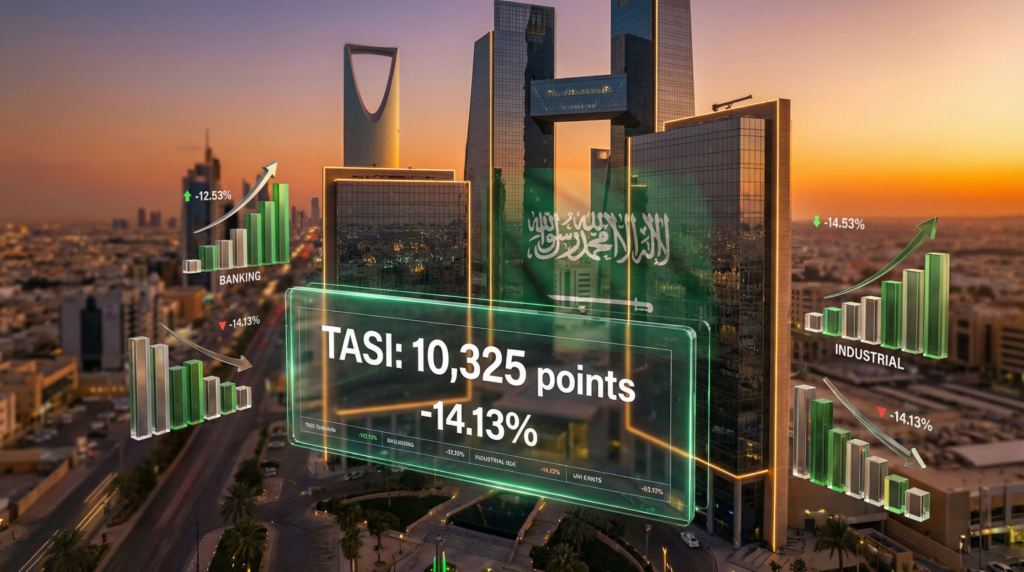
The current rotation signals more than just a temporary shift. It reflects the evolution of Saudi Arabia’s capital markets.
As the Tadawul continues to attract foreign investment and domestic participation grows, sector diversification will deepen. Investors are learning to look beyond trends and focus on substance.
This transition also aligns with the Kingdom’s broader economic strategy. Diversification is not only a national policy but increasingly an investment philosophy. By spreading capital across industries—from manufacturing to tourism to logistics—investors are reinforcing economic resilience.
A Balanced Approach
Importantly, the cooling of tech risk appetite does not mean technology’s role is diminishing. Digital transformation remains central to Saudi Arabia’s long-term vision. Instead, the market is finding balance.
Tech companies with strong fundamentals will continue to attract capital. But speculative excess may give way to selective investment.
For many investors, the strategy is not about abandoning one sector for another. It is about recalibrating portfolios to blend growth potential with value stability.
Conclusion
The rotation into smaller, cheaper stocks marks a defining moment for Saudi Arabia’s investment landscape. It demonstrates a maturing market where fundamentals matter, discipline prevails, and long-term thinking guides decisions.
As tech valuations cool and global uncertainties persist, investors are rediscovering the strength of companies rooted in tangible economic activity. From manufacturing floors to retail counters, from logistics hubs to service providers, Saudi Arabia’s broader corporate ecosystem is stepping into the spotlight.
This shift is not a retreat from innovation—it is a recalibration toward sustainable growth. In doing so, Saudi investors are proving that opportunity often lies where others are not looking.
The story unfolding in the Kingdom’s markets is one of resilience, adaptability, and strategic vision. And for those willing to look beyond the obvious, the next wave of growth may well come from companies quietly building the future from the ground up.
Do Follow Gulf Magazine on Instagram
Read More:- Korea and Saudi Arabia Forge Powerful New Defense Innovation Alliance 2026

