

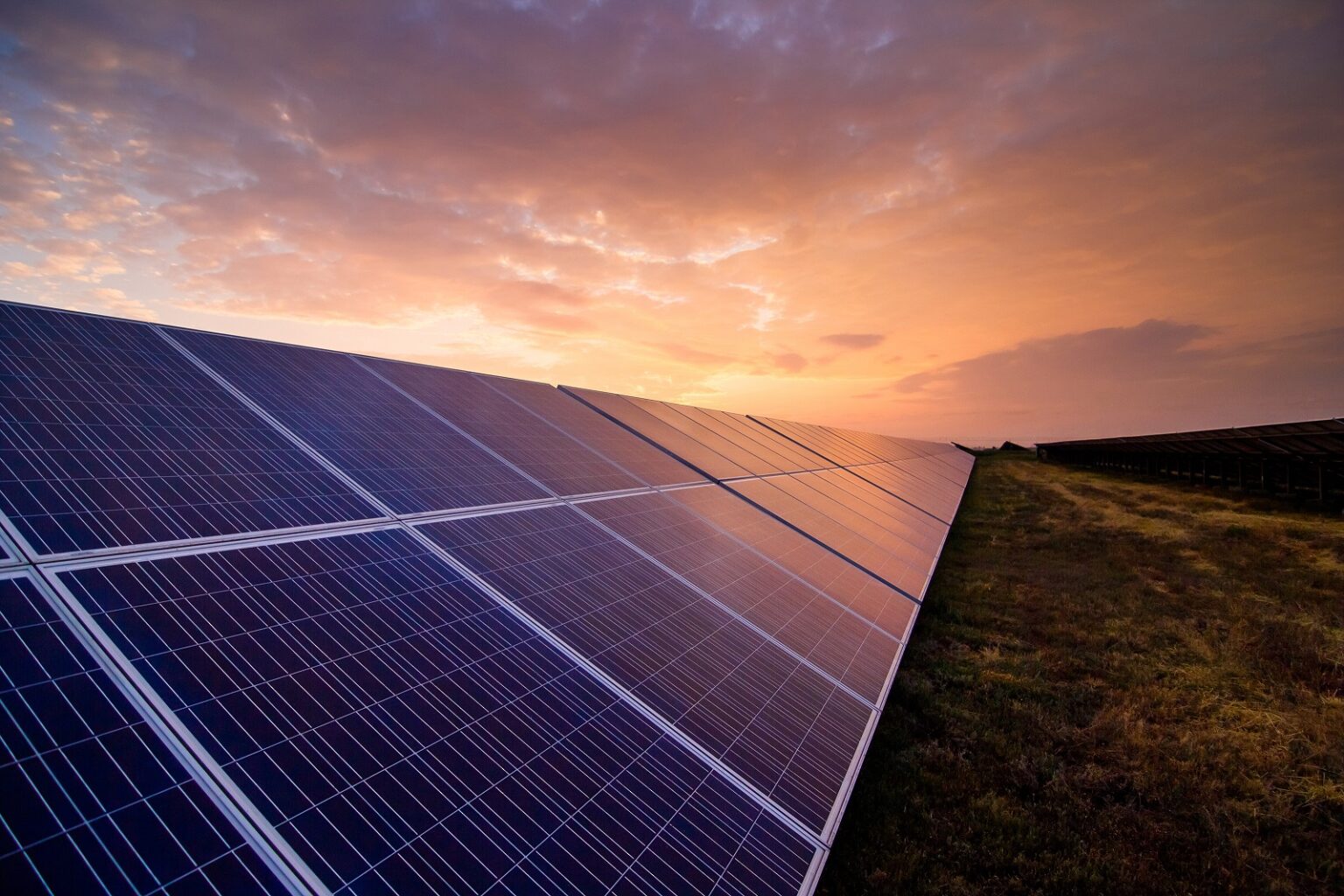
Saudi Arabia and Turkey are entering a powerful new phase of economic and energy cooperation, as Saudi companies prepare to invest nearly USD 2 billion in building large-scale solar power plants across Turkey. This ambitious move is not just about clean energy; it reflects a deeper strategic partnership between two major regional economies that are aligning their long-term visions around sustainability, innovation, and shared prosperity.
The investment comes at a time when both countries are actively reshaping their energy futures. Saudi Arabia is diversifying beyond oil under its Vision 2030 strategy, while Turkey is accelerating its transition towards renewable energy to reduce imports and strengthen energy security. Together, this collaboration represents one of the most significant cross-border renewable projects in the region.
Why Turkey Is a Strategic Choice
Turkey has emerged as a highly attractive destination for renewable energy investors. Its geographical position offers abundant solar radiation, particularly in central and southern regions such as Konya, Karaman, and Anatolia. These areas receive more than 2,600 hours of sunshine annually, making them ideal for utility-scale solar projects.
In addition to natural advantages, Turkey has also built a supportive policy framework. The government offers long-term power purchase guarantees, local manufacturing incentives, and simplified licensing processes for foreign investors. These measures have already attracted global players, and Saudi firms now see Turkey as a stable and scalable market for long-term returns.
The Scale of the Investment
The planned USD 2 billion investment is expected to fund multiple solar power plants with a combined capacity of over 2 gigawatts. This is enough electricity to power nearly two million homes annually. The projects will be developed in phases, with the first plants expected to begin operations within two to three years.
Beyond power generation, the investment will also cover advanced grid infrastructure, battery storage systems, and smart monitoring technologies. This means the projects are not just about producing clean energy, but also about building a modern and resilient energy ecosystem.
Saudi Vision 2030 in Action
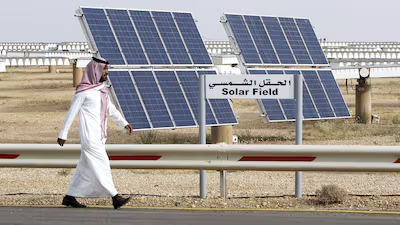
For Saudi Arabia, this project is a clear example of Vision 2030 moving from concept to reality. The kingdom is actively repositioning itself as a global energy leader, not only in oil but also in renewables. Saudi companies are increasingly investing abroad in clean energy projects to gain international experience, diversify revenue, and build global credibility.
Turkey provides a perfect testing ground. The market is competitive but welcoming, technologically advanced yet still growing, and strategically located between Europe, Asia, and the Middle East. For Saudi firms, success in Turkey could open doors to similar projects across Europe and Central Asia.
Economic Impact on Turkey
The economic benefits for Turkey are substantial. The construction phase alone is expected to create more than 10,000 direct and indirect jobs, ranging from engineers and technicians to logistics and local suppliers. Once operational, the plants will support long-term employment in maintenance, data monitoring, and energy management.
Local industries will also benefit. Turkish manufacturers of solar panels, cables, transformers, and steel structures are likely to be involved in the supply chain, boosting domestic production and exports. This aligns with Turkey’s goal of becoming a regional manufacturing hub for renewable technologies.
Environmental Gains and Climate Goals
From an environmental perspective, the impact is even more significant. The new solar plants are expected to reduce carbon emissions by nearly three million tonnes annually. This is equivalent to removing over 650,000 cars from the roads each year.
Turkey has committed to achieving carbon neutrality by 2053, and renewable projects of this scale are essential to meet that target. Saudi Arabia, meanwhile, has pledged to reach net-zero emissions by 2060. This joint initiative strengthens both countries’ credibility in global climate discussions and shows real commitment beyond promises.
Strengthening Bilateral Relations
Beyond energy, the project carries strong diplomatic value. Relations between Saudi Arabia and Turkey have evolved in recent years, shifting towards pragmatic cooperation and economic integration. This investment signals mutual trust and a shared vision for regional stability and growth.
Large infrastructure projects often act as bridges between nations. They encourage business travel, joint research, cultural exchange, and long-term partnerships across multiple sectors. In this case, renewable energy becomes a tool for not just sustainability, but also diplomacy.
Technology and Innovation at the Core
One of the most exciting aspects of the project is its focus on cutting-edge technology. The solar plants will use high-efficiency photovoltaic panels, AI-driven performance monitoring, and smart grid systems that adapt to real-time demand.
Battery storage will play a key role, allowing excess power generated during peak sunlight hours to be stored and used at night or during cloudy conditions. This improves reliability and reduces dependence on fossil fuel backup systems.
Such technologies place Turkey among the more advanced renewable markets globally and give Saudi companies valuable experience in managing next-generation energy infrastructure.
Challenges and Realistic Expectations
Despite the optimism, the project is not without challenges. Land acquisition, grid integration, currency fluctuations, and regulatory approvals can all slow progress. Additionally, global supply chain disruptions may affect equipment delivery timelines.
However, both governments have shown strong political will to support the initiative. Dedicated task forces, streamlined approvals, and financial guarantees are expected to reduce risks and ensure long-term stability for investors.
The success of the project will depend on transparent governance, local community engagement, and consistent policy support.
A Model for Regional Collaboration
This Saudi-Turkey solar partnership could become a model for future regional cooperation. It demonstrates how energy-rich countries can collaborate with energy-hungry economies to create win-win solutions.
Instead of competing over resources, nations are beginning to share technology, capital, and expertise. Renewable energy, by nature, encourages collaboration because its benefits extend beyond borders.
If successful, similar partnerships may soon emerge between Gulf countries and markets in North Africa, South Asia, and Eastern Europe.
Human Impact Beyond Numbers
Behind the billion-dollar figures and megawatt capacities lies a more human story. This project means cleaner air for Turkish cities, more affordable electricity for households, and new career opportunities for young engineers.
For Saudi professionals, it offers international exposure, knowledge exchange, and a chance to contribute to a global sustainability mission. It also reshapes how people view Saudi companies, not just as oil giants, but as innovators in clean energy.
Looking Ahead
The USD 2 billion solar investment marks a turning point in Middle Eastern and European energy relations. It shows that the future of power is not just national, but collaborative.
As the world races towards sustainability, projects like these send a powerful message: economic growth and environmental responsibility can go hand in hand. Saudi companies building solar power plants in Turkey is more than a business deal. It is a statement of intent, a symbol of transformation, and a blueprint for the energy world of tomorrow.
Do follow Gulf Magazine on Instagram.
Also Read – Saudi Arabia’s Bold Camel Passports Drive a New National Era

