

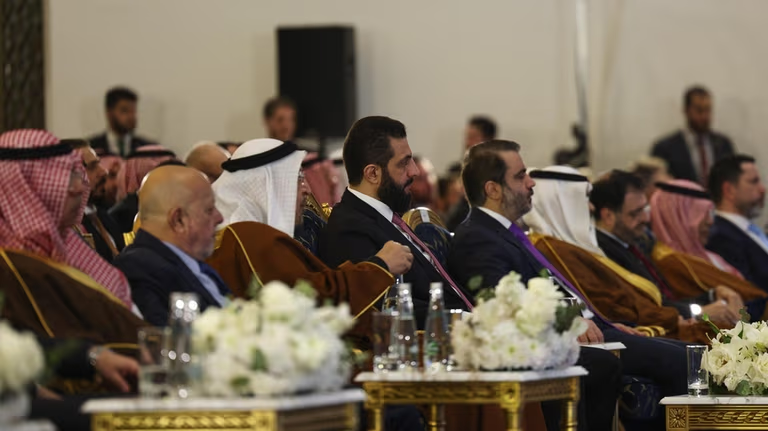
Saudi Telecom Company (stc) has secured a landmark $800 million telecom infrastructure project in Syria, marking a significant milestone for the region’s digital transformation. The deal is not just a business achievement for the Saudi telecom giant, but also a powerful signal of rebuilding, connectivity, and renewed economic cooperation in the Middle East.
This major project places stc at the heart of Syria’s telecommunications modernization efforts. At a time when reliable digital infrastructure is more essential than ever, the agreement represents both a strategic expansion for the company and a hopeful step forward for Syria’s technological future.
A Landmark Deal With Regional Impact
The $800 million contract is one of the most significant telecom infrastructure projects awarded in Syria in recent years. It reflects growing confidence in the region’s long-term recovery and development potential. For Saudi Telecom Company, it strengthens its footprint beyond domestic borders and reinforces its position as a regional telecommunications leader.
The project will focus on upgrading and expanding Syria’s telecom infrastructure, including network modernization, improved connectivity, and the rollout of advanced communication technologies. The goal is to create a more resilient and future-ready telecom ecosystem capable of supporting businesses, public services, and individual users.
This development also signals a broader trend of regional collaboration. Saudi Arabia’s leading telecom provider stepping into Syria’s rebuilding journey highlights a renewed focus on economic partnerships and shared growth.
What the Project Will Deliver
Modern Network Infrastructure
One of the core elements of the project is the modernization of Syria’s telecom backbone. This includes upgrading existing systems, installing new fiber-optic networks, and enhancing mobile connectivity. Improved infrastructure will lead to faster internet speeds, more stable connections, and wider network coverage across urban and rural areas.
For everyday citizens, this means clearer calls, smoother video streaming, and reliable online access. For businesses, it means better operational efficiency and stronger digital capabilities.
Expansion of Digital Services
Beyond hardware and physical infrastructure, the project is expected to enable the introduction of advanced digital services. This could include improved mobile broadband, enhanced enterprise solutions, and new digital platforms for government and commercial use.
In a world increasingly driven by data and connectivity, access to reliable telecom services is essential. Schools, hospitals, banks, and startups all rely on stable networks. By strengthening this foundation, the project has the potential to positively impact multiple sectors of Syrian society.
Building a Future-Ready Ecosystem
Telecommunications infrastructure is not just about today’s needs; it is about preparing for tomorrow. The investment will likely lay the groundwork for future technologies such as 5G expansion, smart city applications, and digital innovation hubs.
This long-term approach ensures that the country’s telecom system can evolve with global standards rather than lag behind them.
Why This Matters for Syria
For Syria, rebuilding infrastructure is a crucial step toward economic recovery. Telecommunications play a central role in modern economies. They connect businesses to markets, families to opportunities, and governments to citizens.
Reliable internet access can support online education, remote healthcare services, and digital entrepreneurship. Small businesses can reach new customers through e-commerce platforms. Young professionals can explore remote job opportunities. In many ways, telecom connectivity is the backbone of opportunity in the digital age.
This project is not only about cables and towers; it is about enabling people to reconnect, rebuild, and move forward.
Strategic Growth for Saudi Telecom Company
For stc, the project represents more than a contract. It aligns with the company’s broader strategy of expanding its regional influence and diversifying its international operations. As one of the largest telecom operators in the Middle East, stc has consistently invested in innovation, digital transformation, and cross-border opportunities.
Winning an $800 million project demonstrates the company’s technical expertise, operational capacity, and reputation for delivering large-scale infrastructure solutions. It also positions stc as a trusted partner in national development initiatives beyond Saudi Arabia.
The move reflects Saudi Arabia’s broader vision of strengthening regional economic ties and supporting infrastructure-led growth.
Economic and Social Ripple Effects
Job Creation and Skill Development
Large-scale telecom projects require engineers, technicians, project managers, and local support teams. This creates employment opportunities and fosters skill development within the host country.
Training programs and knowledge transfer initiatives often accompany such projects, empowering local professionals with advanced technical expertise. Over time, this builds a stronger domestic telecom workforce.
Boosting Business Confidence
Infrastructure improvements can attract new investors. Companies are more likely to establish operations in regions where connectivity is stable and reliable. From fintech startups to logistics firms, many industries depend on high-speed internet and seamless communication networks.
By upgrading telecom infrastructure, Syria can enhance its appeal as a business destination and support the growth of its private sector.
Enhancing Public Services
Modern telecom networks enable digital government services. Citizens can access online portals for documentation, payments, and public services without long waiting times. Healthcare systems can implement telemedicine solutions. Educational institutions can expand digital learning platforms.
These improvements contribute to a better quality of life and more efficient public administration.
Challenges and Opportunities
Undertaking a project of this scale in a country undergoing rebuilding efforts comes with challenges. Infrastructure upgrades require careful planning, coordination with local authorities, and logistical management. Ensuring security, regulatory compliance, and smooth implementation will be essential for success.
However, these challenges also present opportunities. Successfully delivering the project can set a benchmark for future investments and demonstrate that large-scale infrastructure initiatives are feasible and impactful.
For stc, navigating these complexities will further enhance its reputation as a resilient and capable telecom leader.
A Step Toward Digital Transformation
Digital transformation is no longer optional; it is a necessity for economic competitiveness. Countries that invest in connectivity position themselves for innovation, entrepreneurship, and global integration.
The $800 million telecom infrastructure project is a decisive step in that direction. By strengthening Syria’s communication networks, the initiative supports long-term growth and modernization.
For young entrepreneurs, it could mean faster access to online markets. For students, better digital resources. For families, reliable connections with loved ones. These everyday impacts are what truly define the value of telecom investment.
Regional Cooperation in Action
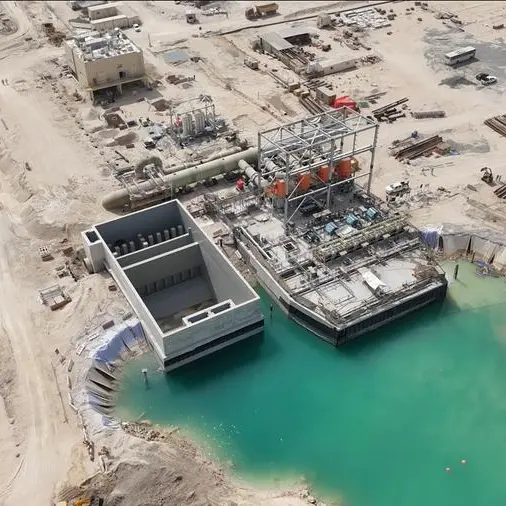
The partnership between Saudi Telecom Company and Syrian authorities reflects a broader spirit of regional cooperation. Infrastructure projects often serve as bridges between nations, fostering economic ties and shared development goals.
Such collaborations can encourage further cross-border investments in energy, transport, and technology sectors. In this way, the telecom deal could act as a catalyst for deeper regional integration.
Looking Ahead
As implementation begins, attention will turn to timelines, rollout phases, and measurable improvements in connectivity. The true success of the project will be reflected not just in financial figures, but in real-world outcomes.
Will rural communities experience stronger signals? Will businesses see faster data speeds? Will public services become more accessible? These are the milestones that will define the project’s legacy.
For Saudi Telecom Company, the $800 million Syria project stands as a powerful symbol of growth and ambition. For Syria, it represents progress, partnership, and the promise of a more connected future.
In a region where digital transformation is reshaping economies, this landmark agreement highlights how infrastructure investment can drive meaningful change. It is not simply about expanding networks; it is about expanding possibilities for millions of people who rely on connectivity to build better lives.
Do Follow Gulf Magazine on Instagram
Read More:- Al Adrak Unveils Powerful $420 Million Urban Vision

