

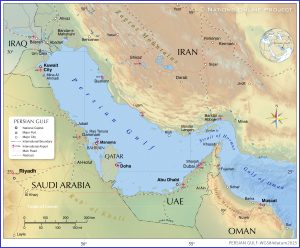
The geopolitical landscape of the Gulf region has always been complex, but the Saudi-UAE rivalry over influence in Yemen and wider Gulf policy has added a new layer of intrigue. As both nations vie for supremacy, their actions shape not only their bilateral relations but also the future of regional stability. Understanding the dynamics of this rivalry is crucial, especially when considering the broader implications for the Gulf states and their citizens.
The Roots of the Rivalry: A Historical Perspective
To fully grasp the Saudi-UAE rivalry over influence in Yemen and wider Gulf policy, one must delve into their historical ties and the events that have shaped their relationship. From the founding of the United Arab Emirates in 1971, both countries have enjoyed a largely cooperative dynamic, united by shared economic interests and a common vision for regional stability.
However, underlying tensions began to surface, primarily fueled by differing visions of leadership and influence in the region. Saudi Arabia, with its role as the custodian of Islam’s two holiest sites, has long viewed itself as the leader of the Arab world. Meanwhile, the UAE, with its rapid economic development and modernization efforts, seeks to carve out its own identity and assert its influence on the regional stage.
The Yemen Conflict: A Battleground for Supremacy
The conflict in Yemen has become the focal point of the Saudi-UAE rivalry. Both nations intervened in the Yemeni civil war in 2015, initially uniting against the Houthi movement, which they perceived as an Iranian proxy. However, as the conflict dragged on, differences emerged over their strategies and goals.
Saudi Arabia’s approach has focused on restoring the internationally recognized government of President Abdrabbuh Mansur Hadi. In contrast, the UAE has invested in supporting various local factions, including the Southern Transitional Council, which aims to assert greater autonomy for southern Yemen. This divergence has not only complicated the conflict but also highlighted the broader implications of the Saudi-UAE rivalry over influence in Yemen.
Economic Interests and Regional Strategies
Economics plays a vital role in the ongoing rivalry. Both Saudi Arabia and the UAE are keen on securing economic footholds in Yemen, which is strategically located near key maritime routes. The UAE has been particularly active in investing in ports and infrastructure, aiming to establish itself as a regional trade hub.
Saudi Arabia, on the other hand, has focused on providing humanitarian aid and economic support to the Yemeni government. However, the effectiveness of these efforts is often questioned, especially as the humanitarian crisis in Yemen deepens. As both countries pursue their economic interests, the impact on the Yemeni people remains dire, further complicating the narrative of their rivalry.
The Wider Gulf Policy: Regional Implications
The Saudi-UAE rivalry over influence in Yemen extends beyond its borders, affecting Gulf policy on various fronts. The two nations have differing stances on key issues, including relations with Iran, the handling of the Qatar diplomatic crisis, and their approaches to the United States and China.

Saudi Arabia has traditionally taken a hardline stance against Iran, viewing it as a primary threat to regional stability. The UAE, while also wary of Iran, has shown a willingness to engage diplomatically, seeking to balance its relationships. This divergence in foreign policy reflects the broader competition between the two nations for influence not only in Yemen but across the Gulf region.
The Impact on Local Populations: Voices from the Ground
As the rivalry continues, the impact on local populations cannot be overlooked. In Yemen, civilians bear the brunt of the conflict, with millions facing famine, displacement, and violence. The ongoing power struggle between Saudi Arabia and the UAE has left many feeling abandoned and marginalized.
In the UAE, the rivalry fosters a sense of national pride but also raises concerns about the implications of their foreign interventions. Citizens question the long-term benefits of such actions and whether their country’s resources could be better utilized domestically.
Looking Ahead: The Future of the Rivalry
As the Saudi-UAE rivalry over influence in Yemen and wider Gulf policy evolves, the future remains uncertain. Both nations have invested heavily in their respective strategies, but the path forward will require careful navigation of their interests alongside the needs and aspirations of the people in the region.
The potential for renewed diplomatic efforts exists, especially as both countries face pressure from international actors to resolve the conflict in Yemen. However, the deep-rooted rivalries and differing ambitions may continue to hinder progress.
Conclusion: A Complex Tapestry of Interests
The Saudi-UAE rivalry over influence in Yemen and wider Gulf policy exemplifies the complexities of regional geopolitics. As both nations vie for power, the consequences extend beyond their borders, affecting millions of lives. Understanding this rivalry is vital for comprehending the future of the Gulf region, where aspirations, economic interests, and humanitarian concerns intertwine.
Do follow Gulf Magazine on Instagram.

