

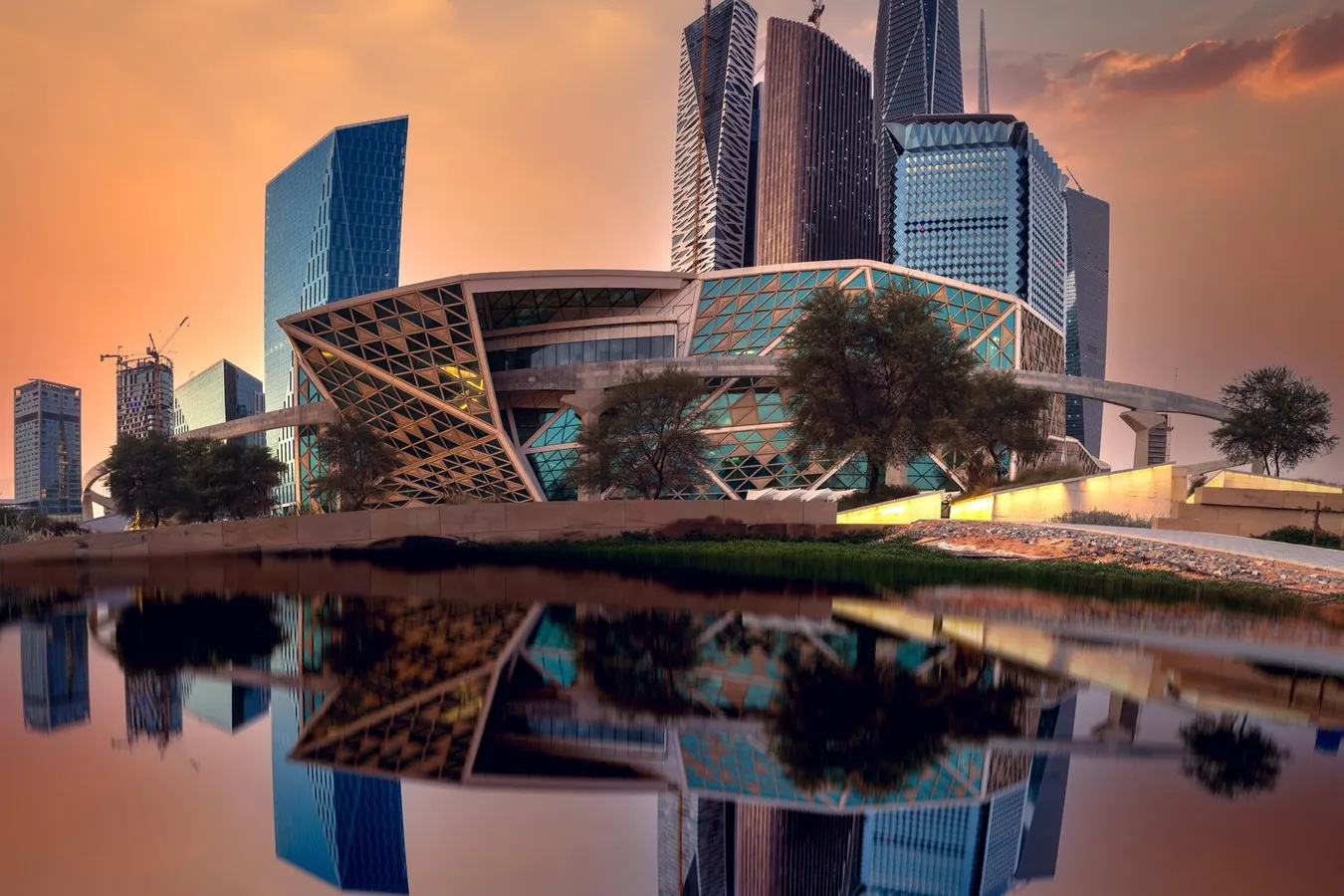
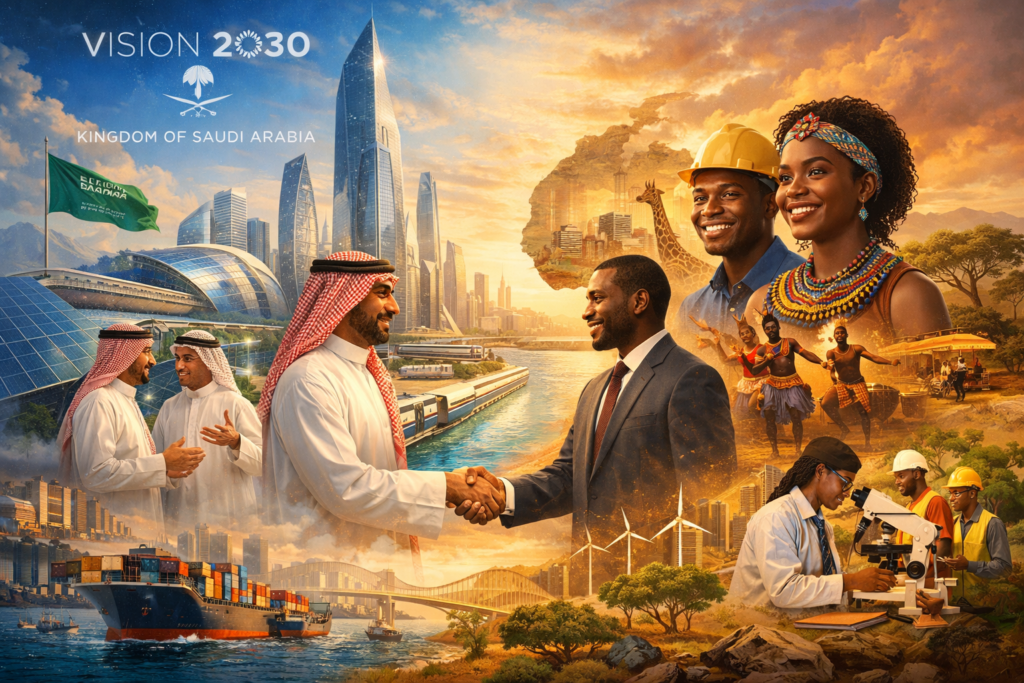
Saudi Vision 2030 Africa partnership is no longer a future concept; it is rapidly becoming a defining force in global economic strategy. As the Kingdom accelerates its transformation beyond oil, Africa has emerged as a natural and strategic ally rich in talent, resources, innovation, and long-term growth potential. This evolving relationship reflects a deeper shift in how Saudi Arabia views international collaboration under Vision 2030.
Kadmiel Van Der Puije has emerged as a key voice in this evolving conversation. Known for his cross-continental outlook and strategic understanding of emerging markets, he represents a new generation of thinkers who see Africa not as a distant market, but as Saudi Arabia’s natural next strategic growth partner under Vision 2030.
This partnership is not built on charity or short-term gains. It is rooted in shared ambition, complementary strengths, and a long-term vision for sustainable global impact.
Understanding the Spirit of Saudi Vision 2030
Vision 2030 was designed to future-proof Saudi Arabia. It focuses on economic diversification, innovation, global investment, cultural exchange, and human capital development. From tourism and technology to renewable energy and logistics, the Kingdom is redefining its global role.
A central pillar of Vision 2030 is international partnership. Saudi Arabia understands that sustainable growth cannot exist in isolation. It requires access to new markets, young talent, expanding consumer bases, and innovation ecosystems that stretch beyond the Middle East.
Africa, with its rapidly growing population, urban expansion, digital adoption, and untapped industries, fits seamlessly into this vision.
Africa’s Rise as a Strategic Economic Force
Africa is no longer defined by potential alone. It is already delivering results. With over a billion people, a median age under 20, and some of the world’s fastest-growing economies, the continent is shaping the future of global demand and production.
Key African markets are experiencing growth in fintech, renewable energy, agriculture technology, creative industries, logistics, and manufacturing. These sectors directly align with Saudi Arabia’s diversification goals under Vision 2030.
For Saudi investors and policymakers, Africa represents scale, resilience, and long-term returns. For African economies, Saudi Arabia offers capital, infrastructure expertise, energy leadership, and global connectivity.
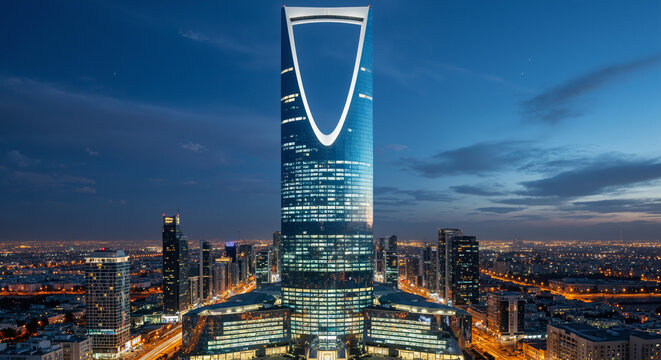
Kadmiel Van Der Puije’s Strategic Perspective
Kadmiel Van Der Puije stands at the intersection of African innovation and global investment strategy. His work emphasizes relationship-driven growth rather than transactional partnerships. He views Saudi Vision 2030 not just as a Saudi roadmap, but as a global platform where Africa can actively participate and co-create value.
Rather than positioning Africa as a beneficiary, Kadmiel frames it as an equal strategic partner. This mindset resonates deeply with the evolving tone of Saudi Arabia’s foreign economic policy, which increasingly prioritizes mutual growth, shared expertise, and cultural respect.
His approach highlights how African entrepreneurship, creativity, and workforce energy can support Saudi ambitions, while Saudi capital and infrastructure leadership can accelerate African development.
Why Africa Aligns Perfectly With Vision 2030 Goals
Vision 2030 prioritizes sectors where Africa already shows momentum. Renewable energy is a prime example. Africa’s solar and wind potential complements Saudi Arabia’s expertise in large-scale energy projects and green transition initiatives.
Logistics and trade corridors are another key alignment. Saudi Arabia’s ambition to become a global logistics hub naturally extends toward African ports, supply chains, and emerging trade routes.
Tourism, culture, and entertainment also connect both regions. Africa’s rich heritage, creative industries, and growing middle class align with Saudi Arabia’s push to expand cultural exchange, sports, and lifestyle sectors.
Human capital is perhaps the strongest link. Africa’s young, digitally native population offers talent pools that can collaborate with Saudi institutions, startups, and research hubs under Vision 2030’s education and innovation goals.
Beyond Investment: A Human-Centered Partnership
What makes this partnership compelling is its human dimension. Kadmiel Van Der Puije consistently emphasizes that long-term success depends on people, not just projects. Cultural understanding, leadership exchange, and trust-building are critical elements.
Saudi Arabia’s increasing openness to global collaboration, combined with Africa’s entrepreneurial spirit, creates space for meaningful cooperation. This includes joint ventures, talent mobility, startup incubation, and educational exchange programs.
Vision 2030 encourages a global mindset, and Africa offers stories of resilience, creativity, and adaptability that resonate strongly with Saudi Arabia’s own transformation journey.
The Role of Technology and Innovation
Digital transformation sits at the heart of Vision 2030, and Africa is rapidly becoming a technology hotspot. From mobile banking to AI-driven agriculture and smart city solutions, African innovators are solving real-world challenges at scale.
Kadmiel Van Der Puije highlights how Saudi-backed innovation funds, accelerators, and technology hubs can partner with African startups to co-develop solutions not only for Africa and the Middle East, but for global markets.
This approach shifts the narrative from technology transfer to technology co-creation, positioning both regions as contributors to the future digital economy.
Economic Diplomacy and Soft Power
Saudi Arabia’s Vision 2030 also focuses on strengthening soft power and global influence through culture, education, and diplomacy. Africa offers a powerful platform for this expansion.
By investing in African infrastructure, education, healthcare, and entrepreneurship, Saudi Arabia builds long-term goodwill and strategic alliances. Kadmiel Van Der Puije sees this as a form of modern economic diplomacy, where trust and shared success become the foundation of influence.
This aligns with Africa’s desire for partners who invest in capacity-building rather than dependency, making Saudi Arabia an increasingly attractive ally.
Challenges and the Need for Thoughtful Strategy
While the opportunity is vast, the path is not without challenges. Africa’s diversity means there is no one-size-fits-all approach. Regulatory environments, political dynamics, and local market conditions require deep understanding and patience.
Kadmiel Van Der Puije advocates for localized strategies, African-led leadership teams, and long-term commitment. These principles echo Vision 2030’s emphasis on sustainable, well-governed growth rather than short-term wins.
Success will depend on listening as much as investing, and on building institutions that last beyond individual projects.
A Shared Future of Growth and Influence
The convergence of Saudi Vision 2030 and Africa’s growth story represents one of the most important strategic opportunities of the coming decades. It is a partnership shaped by ambition, demographic strength, innovation, and global relevance.
Kadmiel Van Der Puije’s perspective humanizes this opportunity. He reminds decision-makers that behind every investment are communities, entrepreneurs, and young people shaping the future. When Saudi Arabia and Africa collaborate with mutual respect and shared purpose, the impact extends far beyond economics.
This is not simply about expanding markets. It is about redefining global growth, building new centers of influence, and creating a future where prosperity is shared across regions.
As Vision 2030 continues to unfold, Africa is no longer on the sidelines. It is stepping forward as Saudi Arabia’s next strategic growth partner, and voices like Kadmiel Van Der Puije are helping shape that journey with clarity, confidence, and human connection.
Do follow Gulf Magazine on Instagram.
Also Read – Why UAE Business Travel Spending Will Rise in 2026