

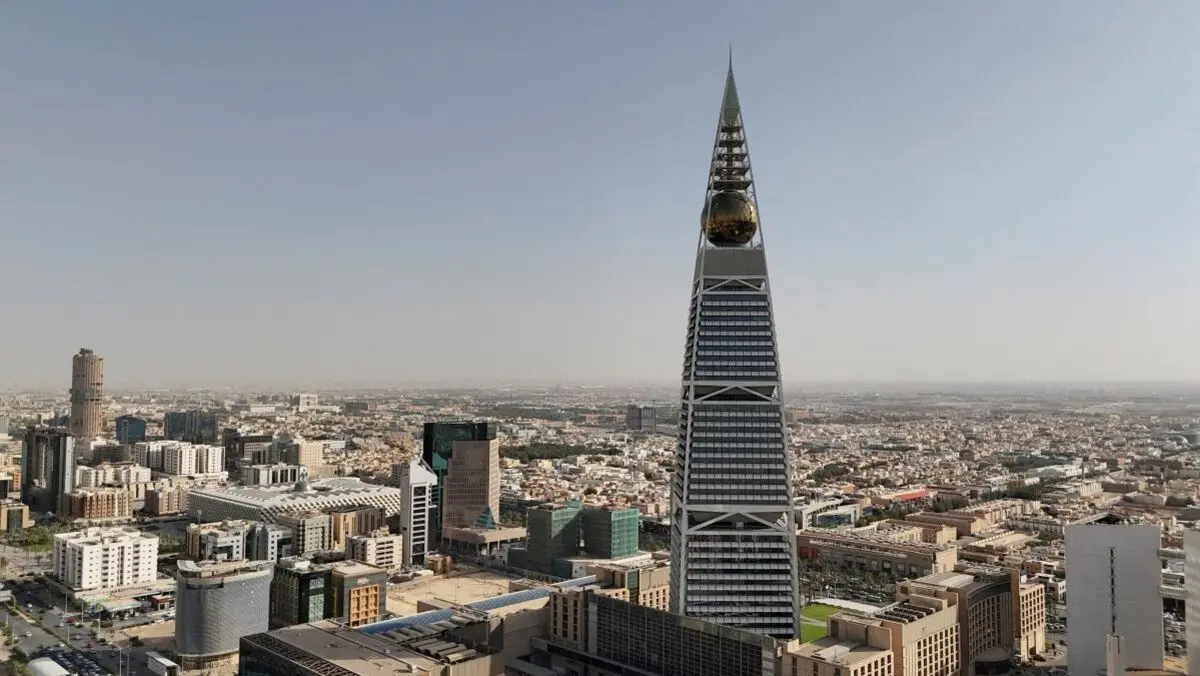
Saudi Arabia’s cabinet approved the state budget for fiscal year 2026, setting total revenues at about SAR 1.147 trillion and total expenditures at roughly SAR 1.312 trillion, which creates a projected deficit of about SAR 165.4 billion (around $44 billion). This represents a narrower gap than the kingdom estimated for 2025, and signals a deliberate choice to maintain strategic spending while pushing on economic transformation.
A deliberate deficit — tool, not a problem
The 2026 deficit—about 3.3% of GDP—is presented by Saudi officials as intentional and manageable. Rather than panicking at a non-zero deficit, Riyadh frames the shortfall as a policy tool to support key investments that will pay off in the medium term. The government expects to continue carrying deficits through 2028 as part of an orderly financing of Vision 2030 priorities. Analysts and Saudi officials say the country’s low public debt gives it room to borrow for growth-focused spending.
Where the money will go: quality over quantity
The 2026 budget shows a clear tilt: less emphasis on new, headline-grabbing mega real-estate projects and more focus on sectors that build sustainable economic depth. Key priority areas named by the budget and accompanying statements include industry, logistics, technology, minerals and tourism (including religious tourism). The Public Investment Fund (PIF) will continue to play a big role but with heavier allocations to sectors expected to generate durable non-oil revenues and jobs.
Non-oil growth and private sector role
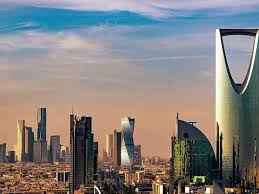
One of the main messages from Riyadh is that the non-oil economy is growing and will account for a rising share of GDP. The budget and official comments underline efforts to increase private-sector participation through reforms and targeted public investment that de-risks projects and attracts private capital. Officials say implementation and improving the quality of spending—projects that actually create jobs and business activity are the focus in this “third phase” of Vision 2030.
Fiscal details you should know
- Revenues: ~SAR 1.147 trillion (about $306 billion) projected for 2026.
- Expenditures: ~SAR 1.312–1.313 trillion (around $350 billion).
- Deficit: ~SAR 165.4 billion (~$44 billion), about 3.3% of GDP.
- Outlook: Deficits expected but calibrated through 2028 while maintaining sustainable public debt levels.
These numbers come from the official budget statement and reporting by major regional and international outlets. The Ministry of Finance also published the detailed FY2026 budget statement (available in English), which lists sectoral allocations and medium-term fiscal projections.
What this means for citizens and services
The budget emphasizes social welfare and public services alongside investment. Spending on education, health, roads, housing and municipal services is preserved Riyadh wants to balance transformation with everyday needs. The message from leadership has been consistent: citizens’ welfare remains a top priority even while the state directs funds into long-term strategic industries. This is aimed at ensuring political and social stability as economic adjustments take place.
Business and investor takeaways
For businesses and investors, the clear signals are:
- Expect more government-backed projects in logistics, manufacturing, tech, minerals and tourism—these are areas where contracts, incentives, and public-private partnerships will multiply.
- The PIF will continue to be active but will shift capital into higher-return, non-real-estate assets.
- The state’s willingness to run deficits indicates support for demand and for projects intended to crowd in private investment rather than crowd it out.
These moves should create opportunities across supply-chain services, construction (targeted infrastructure), greenfield manufacturing, and digital services—especially companies that can partner with the government to deploy quickly and show measurable job or revenue impact.
Risks and uncertainties
No plan is risk-free. Key risks include the volatility of oil prices (still a major revenue source), global economic slowdowns that reduce tourism and trade, and the speed of private-sector response. While the budget aims to widen the non-oil base, translating capital allocations into sustainable private activity takes time and consistent execution. Observers will watch the next few quarters for concrete project awards and private investment commitments tied to the budget.
Human angle: what this budget means for everyday Saudis
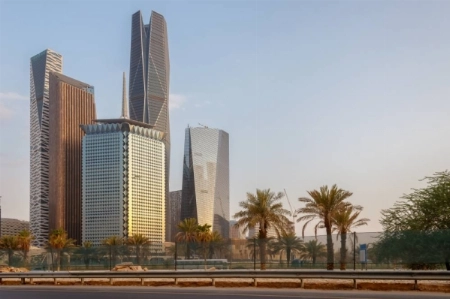
Behind the big numbers are real people young Saudis entering the job market, families needing reliable healthcare and education, and entrepreneurs looking for predictable policy. The tilt toward industries that create long-term jobs and the commitment to maintain social spending send an encouraging signal: the government appears to be trying to combine reform with social protection. For many citizens, the question will be whether promised jobs and opportunities arrive quickly enough to match expectations.
How this fits into Vision 2030’s “third phase”
Officials described 2026 as the start of a new phase of Vision 2030—less about announcing large new initiatives and more about executing and improving outcomes from programs already under way. That means focusing on delivery, measuring outcomes, and re-allocating capital toward sectors that show measurable returns in jobs and revenues. If implemented well, this could mark a maturing of the kingdom’s strategy from hype and big projects to steady economic engineering.
Bottom line — steady, strategic, and closely watched
Saudi Arabia’s 2026 budget is best read as a policy statement: the country will continue to invest boldly but more deliberately, leaning on selective deficits to fund strategic transformation while trying to protect citizens’ services and keep public debt in check. The success of this approach depends on execution turning approved spending into functioning factories, logistics hubs, tourist sites, and tech clusters that actually produce jobs and non-oil revenue. The coming year will show whether Riyadh can convert budgeted plans into visible, everyday benefits for its people and sustainable returns for investors.
Do Follow Gulf Magazine on Instagram
Read More:- Late Afsha Penalty Denies Kuwait Famous Victory in Doha 2025

