

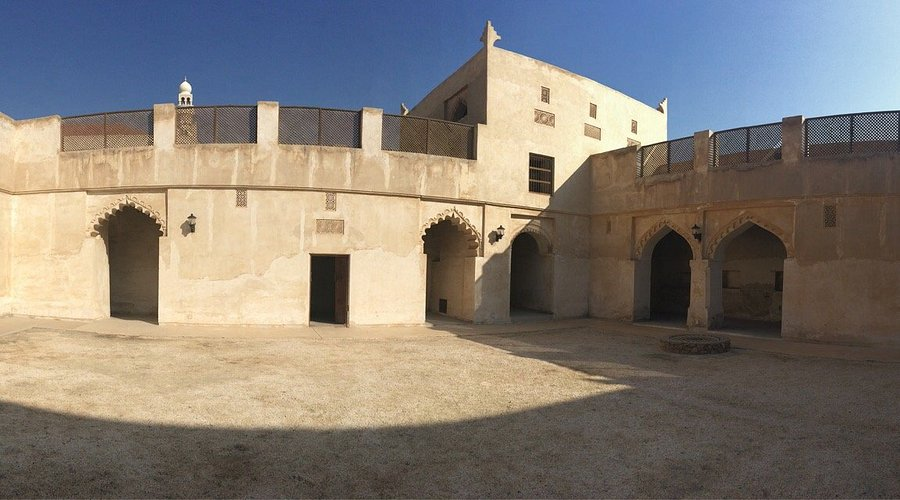
In the heart of Al Muharraq, away from the noise of modern towers and glass facades, stands Sheikh Isa bin Ali House, a place where Bahrain’s past still breathes. This historic residence is not just an old building preserved for tourists. It is a deeply human space that reflects how people once lived, ruled, gathered, and adapted to their environment with intelligence and grace. Walking through its rooms feels less like visiting a monument and more like stepping into a story that continues to speak quietly through walls, courtyards, and wind towers.
The house belonged to Sheikh Isa bin Ali Al Khalifa, one of Bahrain’s most influential rulers. It represents a time when architecture was shaped by climate, culture, and community rather than speed and scale. Today, the house remains one of the finest examples of traditional Bahraini domestic architecture and a key landmark within the historic fabric of Al Muharraq.
Al Muharraq: The Cultural Soul of Bahrain
Before understanding the importance of Sheikh Isa bin Ali House, it is essential to understand Al Muharraq itself. Once the capital of Bahrain, Al Muharraq grew as a center of governance, trade, pearl diving, and learning. Its narrow lanes, coral-stone houses, and shaded courtyards were designed to bring people closer together while offering comfort in the harsh Gulf climate.
Al Muharraq was not built for display. It was built for life. Homes were practical, social, and deeply connected to family values. Sheikh Isa bin Ali House fits perfectly into this setting, reflecting the rhythm of daily life during Bahrain’s pre-oil era.
Sheikh Isa bin Ali Al Khalifa: The Man Behind the House
A Ruler Close to His People
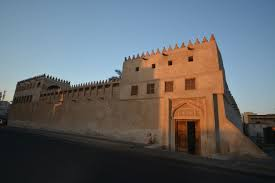
Sheikh Isa bin Ali Al Khalifa ruled Bahrain for several decades and is remembered as a leader who valued stability, tradition, and dialogue. His home was not an isolated palace removed from society. Instead, it functioned as both a family residence and a place where people could seek counsel, resolve disputes, and engage with leadership.
This dual purpose shaped the design of the house. It needed to offer privacy for family life while remaining open and welcoming to guests and visitors. The balance between these two needs is one of the most fascinating aspects of the structure.
Architecture as an Expression of Leadership
Rather than displaying power through grand scale, the house reflects authority through order, harmony, and thoughtful design. Every space has a purpose, and every detail speaks of restraint and wisdom. This approach mirrors the leadership style of Sheikh Isa himself.
Traditional Bahraini Architecture at Its Finest
Built for Climate and Comfort
Sheikh Isa bin Ali House is a masterclass in climate-responsive architecture. Built using coral stone, palm trunks, gypsum, and teak wood, the house naturally regulates temperature. Thick walls reduce heat, while shaded courtyards and narrow passages encourage airflow.
The most striking features are the wind towers, locally known as badgirs. These tall structures capture cool breezes and direct them into interior rooms, creating natural ventilation long before air conditioning existed. Even today, standing beneath a wind tower, one can feel a noticeable drop in temperature.
Courtyards as the Heart of the Home
At the center of the house are open courtyards that serve as gathering spaces for family members. These courtyards provide light, air, and a sense of openness while maintaining privacy from the outside world.
Life in the house revolved around these spaces. Children played, conversations unfolded, and daily routines flowed naturally around the courtyard. It was a design that encouraged connection without sacrificing comfort.
A Home Designed for Social Life
Separate Spaces with Clear Purpose
The house is divided into areas for men, women, family, and guests. This separation reflects social customs of the time while ensuring smooth daily life. Guest rooms were designed to be accessible without disturbing private family quarters, showing deep respect for both hospitality and privacy.
The Majlis: Where Community Met Leadership
One of the most important spaces in the house is the majlis, where Sheikh Isa received visitors. This was a place of conversation, advice, and decision-making. The majlis was open, welcoming, and designed to make people feel heard rather than intimidated.
The simplicity of the space highlights the cultural value placed on dialogue and mutual respect. Leadership here was practiced through listening as much as speaking.
Everyday Life Within the Walls
Family, Routine, and Rhythm
Beyond its political and social role, Sheikh Isa bin Ali House was a family home. Kitchens, sleeping quarters, and service areas were carefully arranged to support daily routines. The layout allowed women and children to move freely and safely within the home, reflecting the importance of family life.
Water storage areas, cooking spaces, and shaded resting spots all show how daily needs were thoughtfully addressed. Nothing was excessive, yet nothing was lacking.
Materials That Tell Stories
Every material used in the house carries meaning. Coral stone connects the building to the sea. Palm wood reflects the island’s natural resources. Imported teak hints at Bahrain’s historical trade links. Together, these materials tell the story of a society deeply connected to its environment and the wider world.
Preservation and Cultural Revival
From Private Residence to Public Heritage
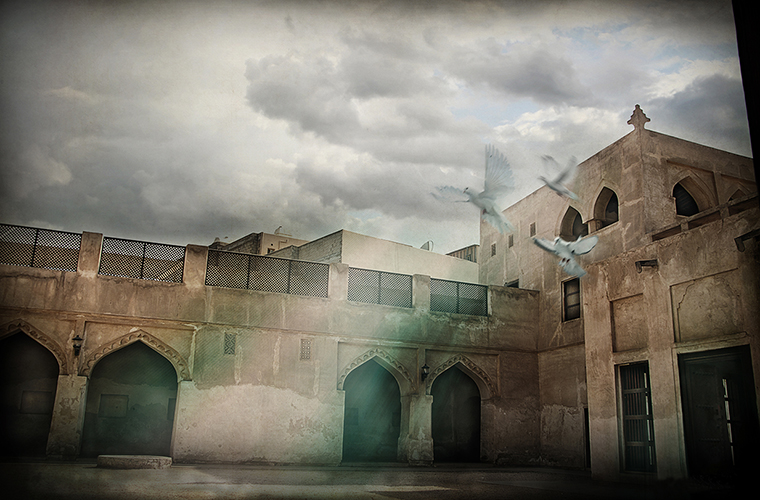
Over time, the house fell into disrepair as modern housing replaced traditional homes. However, recognizing its historical value, extensive restoration efforts were undertaken to preserve its original character. Care was taken to use traditional techniques and materials, ensuring authenticity.
Today, the house stands restored not as a frozen relic but as a living educational space. Visitors can walk through rooms, feel the airflow, and understand how architecture once shaped everyday life.
Part of a Larger Heritage Vision
Sheikh Isa bin Ali House forms an important part of Al Muharraq’s wider heritage landscape. Its preservation contributes to a broader effort to protect Bahrain’s architectural identity and pass it on to future generations.
Why Sheikh Isa bin Ali House Still Matters
Lessons for Modern Living
In an age dominated by concrete towers and artificial cooling, the house offers valuable lessons. It shows how architecture can work with nature rather than against it. It reminds us that comfort does not require excess, and sustainability can be achieved through wisdom and experience.
A Human Connection to History
More than anything, the house matters because it feels human. It is easy to imagine footsteps echoing in the corridors, voices drifting through courtyards, and breezes cooling tired faces on hot afternoons. It connects visitors to real lives, not just historical events.
A Quiet Landmark with a Powerful Voice
Sheikh Isa bin Ali House does not shout for attention. It stands calmly in Al Muharraq, confident in its story. Its walls carry memories of leadership, family, community, and adaptation. In a fast-changing world, it offers a rare moment to slow down and reflect on how people once built homes that truly served their lives.
For anyone seeking to understand Bahrain beyond modern skylines, this house is not just a destination. It is an experience that stays with you, long after you step back into the present.
Do Follow Gulf Magazine on Instagram
Read More:- Al Oraifi Museum Reveals Powerful Stories of Muharraq’s Living Heritage 2026

