

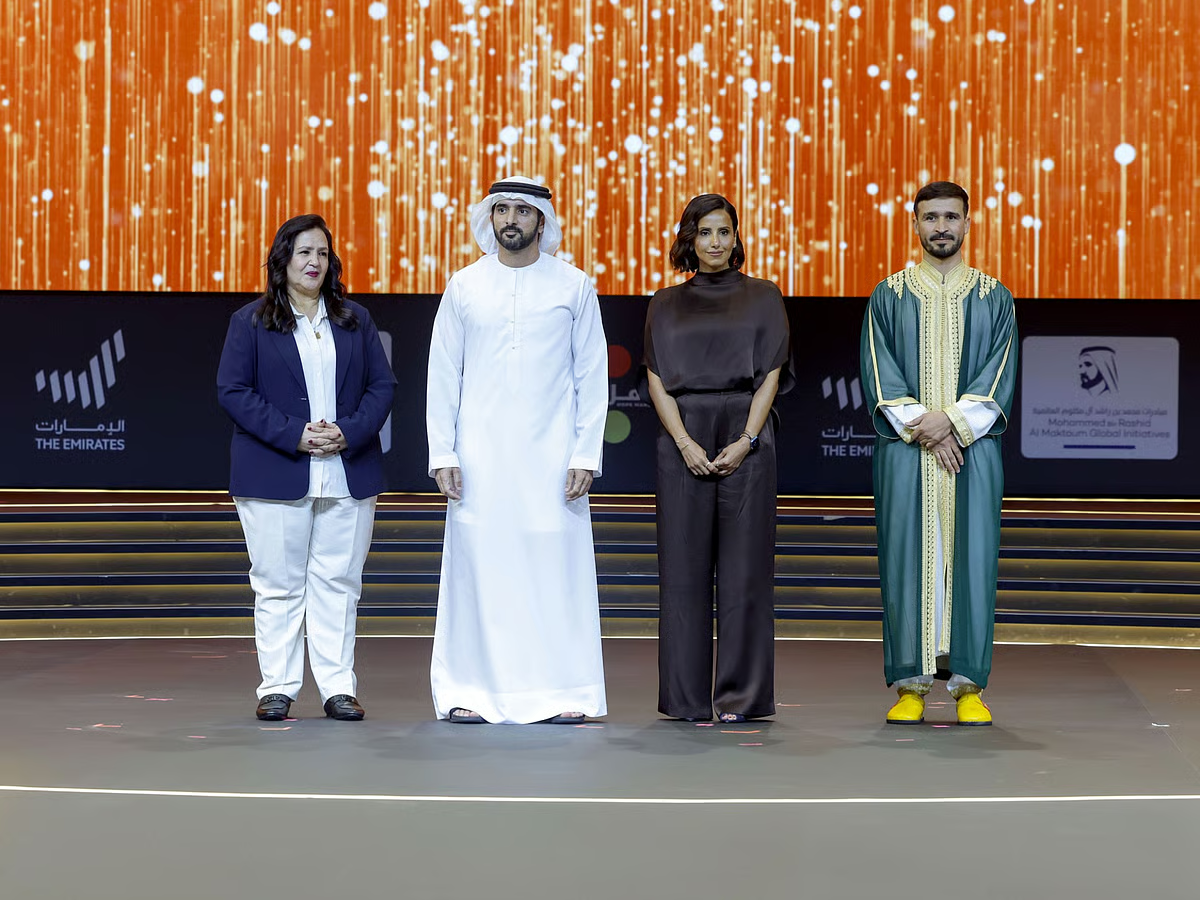
In a powerful celebration of compassion, resilience, and humanitarian spirit, Sheikh Mohammed honours a Moroccan winner of the Arab Hope Makers initiative, one of the largest charitable awards in the Arab world. The recognition not only highlights an individual’s extraordinary efforts but also sends a strong message: hope and kindness can change societies.
The Arab Hope Makers initiative, launched under the umbrella of Mohammed bin Rashid Al Maktoum Global Initiatives, aims to spotlight individuals who dedicate their lives to helping others. By rewarding real-life heroes rather than celebrities, the program focuses on people who quietly transform communities through service, generosity, and perseverance.
This year’s Moroccan winner stood out among tens of thousands of applicants from across the region, earning recognition for tireless work supporting vulnerable communities. The honour ceremony, attended by dignitaries, humanitarian leaders, and public figures, celebrated not just one person’s achievement but the collective spirit of goodwill across the Arab world.
Sheikh Mohammed honours Moroccan winner of Arab Hope Makers: A Celebration of Humanity
The moment Sheikh Mohammed honoured the Moroccan winner of Arab Hope Makers was filled with emotion and admiration. Speaking during the ceremony, he emphasized that hope is the most valuable gift a person can offer to society.
He highlighted that many communities across the Arab world face serious challenges — poverty, unemployment, displacement, health crises, and educational gaps. Yet individuals continue to step forward with courage and compassion, proving that meaningful change does not always require wealth or power, only determination and empathy.
According to Sheikh Mohammed, the initiative was created to “celebrate those who give without expecting anything in return.” By recognizing such efforts publicly, the program encourages others to follow the same path.
Who Is the Moroccan Winner?
The Moroccan recipient of the Arab Hope Makers title gained recognition for years of grassroots humanitarian work. Coming from modest beginnings, the winner witnessed firsthand the hardships faced by marginalized communities. Instead of turning away, they chose to act.
Key areas of impact include:
- Providing food and essential supplies to low-income families
- Supporting education for children who cannot afford schooling
- Assisting elderly people living alone
- Organizing healthcare campaigns in underserved areas
- Creating programs for orphans and vulnerable youth
What makes the winner’s story especially powerful is that much of this work began with limited resources. Community support gradually grew as more people witnessed the positive results.
From Small Acts to Large Impact
Many humanitarian journeys begin with a single small act of kindness. In this case, the Moroccan winner reportedly started by helping neighbors in need. Over time, those efforts expanded into organized initiatives reaching thousands of people.
Volunteers joined, donations increased, and partnerships formed with local organizations. Today, the impact extends far beyond one neighborhood, touching lives across multiple regions.
This transformation demonstrates an important lesson: meaningful change often begins at the local level. When individuals take responsibility for their communities, collective progress becomes possible.
The Vision Behind Arab Hope Makers
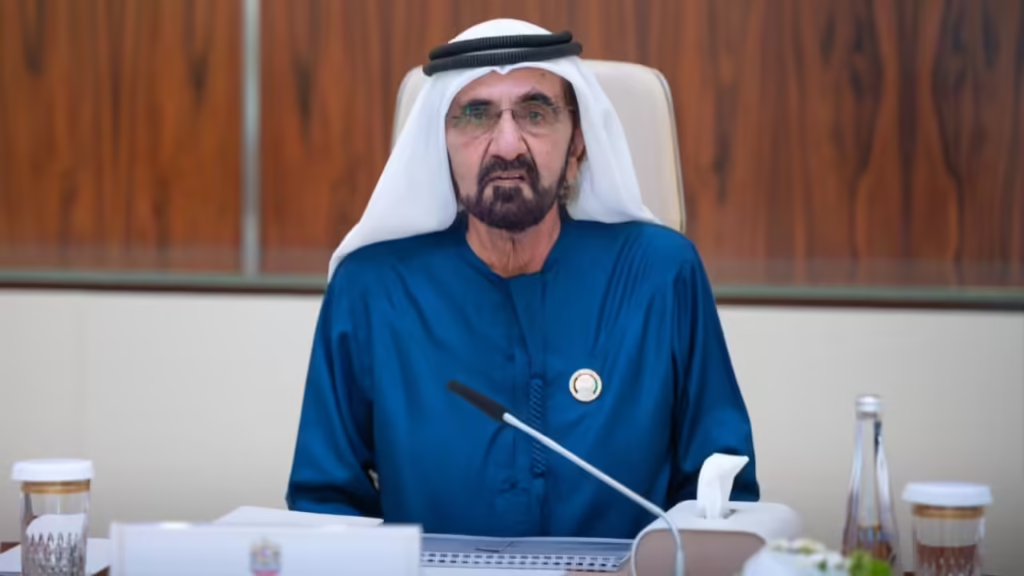
The Arab Hope Makers initiative was launched to promote a culture of giving and social responsibility across the Arab world. It aims to shift public attention from fame and wealth toward compassion and service.
Each year, the program receives tens of thousands of nominations from individuals working in areas such as:
- Education support
- Healthcare access
- Poverty relief
- Women’s empowerment
- Disability assistance
- Refugee support
- Environmental protection
- Youth development
A rigorous selection process evaluates candidates based on measurable impact, sustainability of their work, and the number of people helped.
Why Recognition Matters
Public recognition plays a crucial role in humanitarian work. Many grassroots initiatives struggle due to lack of funding, awareness, or institutional support. Awards like Arab Hope Makers provide both visibility and financial backing, allowing projects to expand.
For the Moroccan winner, the honour brings:
- Greater public awareness of their cause
- Opportunities for partnerships
- Increased volunteer engagement
- Access to resources for scaling projects
- Inspiration for others to take action
Sheikh Mohammed emphasized that the award is not just a trophy but a platform for long-term impact.
A Message of Unity Across Borders
One of the most powerful aspects of the Arab Hope Makers program is its regional reach. Participants come from diverse countries, cultures, and backgrounds, yet they share a common goal: improving lives.
By honouring a Moroccan humanitarian, the initiative reinforces the idea that compassion transcends national boundaries. Problems such as poverty, illness, and social inequality affect people everywhere, and solutions often require collective effort.
The ceremony itself symbolized unity, bringing together representatives from across the Arab world to celebrate shared values of generosity and solidarity.
The Human Stories Behind the Work
Behind every humanitarian initiative are deeply personal stories. Many hope makers are motivated by experiences such as losing a loved one, growing up in poverty, or witnessing injustice.
In interviews following the ceremony, the Moroccan winner reportedly spoke about the emotional challenges of humanitarian work. Helping vulnerable populations often means confronting harsh realities daily — hunger, illness, loneliness, and despair.
Yet moments of gratitude, recovery, and transformation provide powerful motivation to continue.
Stories shared included:
- A child returning to school after receiving supplies and support
- An elderly person receiving regular care after years of isolation
- Families gaining stability through food and housing assistance
- Young people discovering opportunities for education and employment
These outcomes demonstrate that hope is not an abstract concept — it has tangible effects on people’s lives.
Encouraging a Culture of Giving
Sheikh Mohammed’s decision to honour humanitarian figures reflects a broader strategy to promote volunteerism and philanthropy across society. By highlighting positive role models, the initiative encourages citizens to contribute in whatever way they can.
Not everyone can start a large charity, but small actions matter:
- Donating time to community programs
- Supporting local charities
- Helping neighbors in need
- Mentoring youth
- Raising awareness about social issues
Collectively, these efforts create stronger, more compassionate communities.
The Role of Youth in Building Hope
Young people played a significant role in supporting the Moroccan winner’s initiatives. Many volunteers were students eager to make a difference but unsure how to begin. Through organized programs, they found meaningful ways to contribute.
Youth engagement offers several benefits:
- Builds leadership skills
- Encourages social responsibility
- Strengthens community bonds
- Reduces feelings of isolation
- Promotes positive civic participation
By empowering young volunteers, humanitarian projects also invest in the future.
Challenges Faced by Humanitarian Workers
Despite the inspiring success story, humanitarian work is rarely easy. Common challenges include:
- Limited funding
- Bureaucratic obstacles
- Volunteer burnout
- Logistical difficulties
- Emotional strain
- Lack of long-term support
The Moroccan winner acknowledged these obstacles but emphasized that persistence and community trust helped overcome them.
Recognition from Arab Hope Makers may ease some of these challenges by providing financial resources and international attention.
The Power of Hope in Difficult Times
In recent years, many regions have faced economic uncertainty, public health crises, and social disruptions. During such times, hope becomes especially important.
Humanitarian initiatives provide not only material assistance but also emotional reassurance. Knowing that someone cares can restore dignity and motivation for people facing hardship.
Sheikh Mohammed’s message during the ceremony focused on this idea: hope is a renewable resource that grows when shared.
Inspiring Future Hope Makers
One of the long-term goals of the initiative is to inspire new generations of changemakers. By showcasing real stories of impact, the program demonstrates that anyone can contribute to society.
Schools, universities, and community organizations increasingly use these stories as educational tools, encouraging students to engage in volunteer work.
Potential future hope makers may include:
- Teachers improving education access
- Doctors providing free medical services
- Entrepreneurs creating jobs in underserved areas
- Environmental activists protecting natural resources
- Social workers supporting vulnerable populations
The possibilities are endless when individuals commit to positive change.
Global Recognition of Arab Humanitarian Efforts
While the initiative focuses on the Arab world, its impact resonates globally. International organizations often collaborate with local humanitarian leaders to expand successful models to other regions.
The Moroccan winner’s work may inspire similar programs beyond national borders, contributing to a broader culture of compassion worldwide.
Such recognition also challenges stereotypes, highlighting the region’s strong traditions of charity, hospitality, and social responsibility.
Looking Ahead: Expanding the Impact
Following the ceremony, attention now turns to the future. The Moroccan winner plans to use the award’s resources to expand programs, reach new communities, and develop sustainable solutions.
Future goals may include:
- Establishing permanent support centers
- Expanding healthcare outreach
- Creating educational scholarships
- Launching employment training programs
- Strengthening partnerships with NGOs
Sustainability is key to ensuring that humanitarian efforts continue long after initial recognition fades.
Sheikh Mohammed honours Moroccan winner of Arab Hope Makers: A Symbol of Compassion
Ultimately, the event where Sheikh Mohammed honours the Moroccan winner of Arab Hope Makers represents more than a single award. It symbolizes a broader commitment to human dignity, solidarity, and social progress.
By celebrating individuals who dedicate their lives to helping others, the initiative sends a clear message: true success is measured not by wealth or fame, but by the positive impact one has on people’s lives.
The Moroccan winner’s story demonstrates that ordinary individuals can achieve extraordinary results when guided by empathy and determination.
Conclusion
The ceremony where Sheikh Mohammed honours the Moroccan winner of Arab Hope Makers stands as a powerful reminder of humanity’s capacity for kindness. In a world often dominated by negative headlines, such stories offer reassurance that compassion still thrives.
Through recognition, support, and inspiration, the Arab Hope Makers initiative continues to nurture a culture of giving across the region. The Moroccan winner’s achievements show that even small beginnings can grow into movements that transform thousands of lives.
As communities face ongoing challenges, the need for hope makers has never been greater. Their work not only addresses immediate needs but also builds stronger, more resilient societies for the future.
Do follow Gulf Magazine on Instagram
Also Read – Doha Quest: Qatar’s Ultimate Indoor Theme Park Adventure

