

Introduction
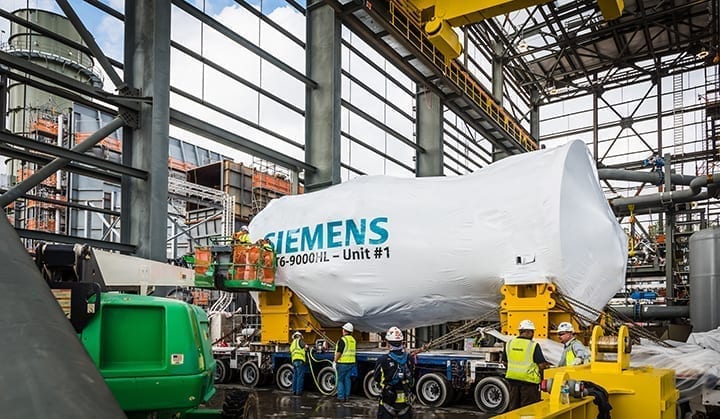
In a major step toward enhancing Saudi Arabia’s power infrastructure, Siemens Energy has secured a $1.6 billion contract to supply key technologies for two new gas-fired power plants—Rumah 2 and Nairyah 2. The deal marks a significant milestone in the Kingdom’s ambitious energy transition as it aims to diversify its energy mix and reduce reliance on crude oil for power generation.
The contract, awarded as part of Saudi Arabia’s Vision 2030 initiative, underscores the country’s commitment to modernizing its electricity grid and shifting toward more sustainable energy solutions. The development of these power plants will not only boost power generation capacity but also improve efficiency, reduce carbon emissions, and create job opportunities for Saudi nationals.
Project Overview
The two power plants, Rumah 2 and Nairyah 2, are designed to be among the most efficient in the region. Both facilities will operate as combined-cycle gas turbine (CCGT) plants, a technology that enhances energy efficiency by utilizing waste heat from gas turbines to generate additional electricity through steam turbines. This method significantly reduces fuel consumption and emissions compared to traditional power plants.
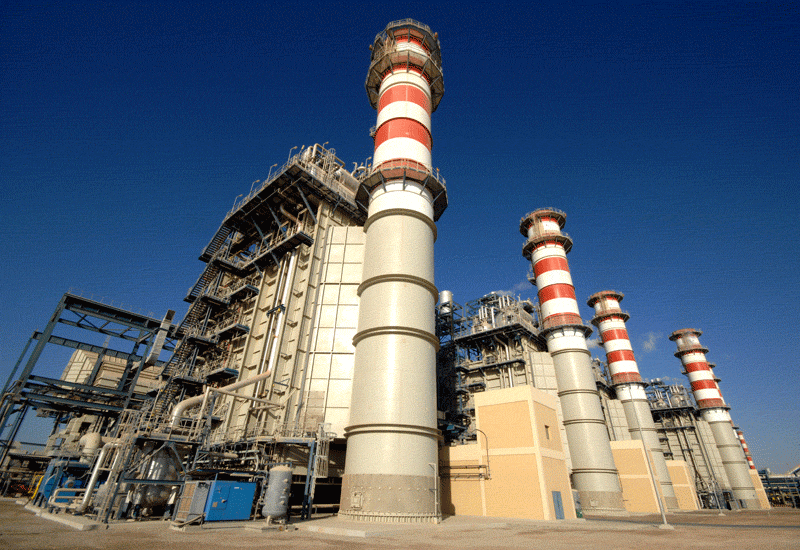
Each plant is expected to have a capacity of approximately 1.8 gigawatts (GW), collectively adding 3.6 GW to Saudi Arabia’s national grid. This increased capacity will provide electricity to approximately 1.5 million homes, addressing the growing demand for reliable and sustainable energy in the region.
Siemens Energy’s Contribution
As part of the contract, Siemens Energy will provide the following key components:
- Six SGT6-9000HL gas turbines – Advanced turbines designed for high efficiency and lower emissions.
- Four SST6-5000 steam turbines – Converting heat into additional power to enhance plant efficiency.
- Eight SGen6-3000W generators – Ensuring stable and continuous electricity generation.
- Two SGen6-2000P generators – Supporting backup and auxiliary power needs.
- Associated auxiliary equipment – Including heat recovery steam generators and balance-of-plant systems.
These high-efficiency components will help maximize energy output while minimizing environmental impact. The power plants will also be designed with the potential for future upgrades, including carbon capture and storage (CCS) technologies, further aligning with Saudi Arabia’s long-term sustainability goals.
Environmental and Sustainability Impact
The transition from traditional oil-based power plants to gas-fired plants represents a significant step in reducing Saudi Arabia’s carbon footprint. The new plants are expected to cut carbon dioxide (CO₂) emissions by up to 60% compared to older oil-fired facilities.
Additionally, both facilities will incorporate advanced emission control technologies and are being built with provisions for hydrogen co-firing in the future. Hydrogen-ready turbines will enable Saudi Arabia to gradually transition towards cleaner fuels, supporting the nation’s goal of achieving net-zero emissions by 2060.
Job Creation and Local Manufacturing
A critical aspect of this project is its emphasis on local content and job creation. Siemens Energy will manufacture key components at its Dammam Hub in Saudi Arabia, which has been expanding to accommodate larger-scale production.
By leveraging local expertise, the project aligns with Saudi Arabia’s commitment to boosting domestic manufacturing and reducing reliance on imported technologies. This initiative is expected to create hundreds of direct and indirect jobs, particularly in engineering, manufacturing, and maintenance services.
The collaboration also involves training programs for Saudi engineers and technicians, ensuring that local talent is developed to manage and operate the power plants efficiently in the long term.
Long-Term Maintenance and Operational Reliability
In addition to supplying critical equipment, Siemens Energy will be responsible for the long-term maintenance and servicing of the power plants. This includes condition monitoring, predictive maintenance, and regular upgrades to ensure optimal performance and longevity.
With advanced digital solutions and artificial intelligence-driven analytics, Siemens Energy aims to enhance operational reliability and reduce unplanned downtimes. These measures will not only improve the efficiency of Saudi Arabia’s power grid but also support the Kingdom’s broader efforts to modernize its energy infrastructure.
Strategic Partnerships and International Collaboration
The Rumah 2 and Nairyah 2 power plants are being developed in collaboration with Harbin Electric International, a Chinese engineering, procurement, and construction (EPC) company with extensive experience in power plant development.
This partnership highlights Saudi Arabia’s increasing engagement with global technology providers to accelerate its energy transition. By bringing together expertise from different countries, the Kingdom aims to implement cutting-edge solutions while fostering international cooperation in the energy sector.
Alignment with Vision 2030 Goals
Saudi Arabia’s Vision 2030 is a comprehensive strategy aimed at reducing the country’s dependence on oil revenues and diversifying its economy. The development of efficient and sustainable power plants is a key pillar of this vision, ensuring a reliable and diversified energy mix for the future.
The Rumah 2 and Nairyah 2 projects contribute directly to Vision 2030’s objectives by:
- Increasing energy efficiency and reducing carbon emissions.
- Promoting economic diversification through local manufacturing.
- Creating high-skilled jobs for Saudi citizens.
- Enhancing energy security by modernizing the national power grid.
By investing in next-generation energy technologies, Saudi Arabia is positioning itself as a leader in sustainable energy development within the Middle East.
Timeline and Future Prospects
Construction of the Rumah 2 and Nairyah 2 power plants is already underway, with initial operations expected to commence in 2027. The plants will first function in simple-cycle mode before transitioning to full combined-cycle operations in the following year.
Once fully operational, these power plants will play a crucial role in stabilizing Saudi Arabia’s electricity supply and supporting future expansions in industrial and residential energy demand.
Looking ahead, Saudi Arabia continues to explore additional energy projects, including investments in renewable energy such as solar and wind power. The success of the Rumah 2 and Nairyah 2 projects will likely set a precedent for future collaborations with global energy firms.
Conclusion
Siemens Energy’s $1.6 billion contract marks a significant milestone in Saudi Arabia’s journey toward a more sustainable and efficient energy future. Through the development of the Rumah 2 and Nairyah 2 power plants, the Kingdom is taking decisive steps to modernize its power sector, reduce emissions, and create economic opportunities for its citizens.
With strategic partnerships, cutting-edge technologies, and a strong commitment to local talent development, Saudi Arabia is well-positioned to meet its Vision 2030 energy goals. As the Kingdom continues its transition towards cleaner energy solutions, projects like these will be instrumental in shaping a sustainable and prosperous future for the nation.

