

Introduction: A New Era in Personal Health
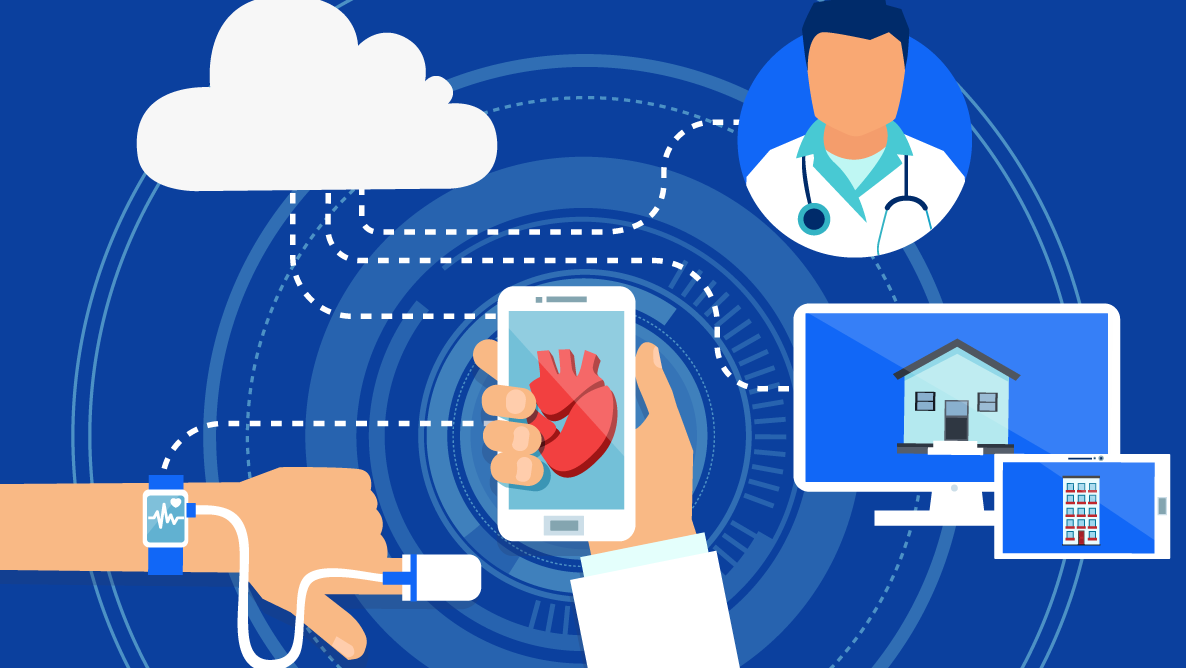
In recent years, the Gulf region has witnessed a dramatic shift in the way people monitor and manage their health. This transformation is largely driven by the rise of smart wearables devices. From fitness trackers to advanced smartwatches, these devices are not only helping individuals take control of their well-being but are also reshaping the healthcare landscape. What was once limited to hospitals and clinics is now available at the touch of a wrist, providing real-time insights and personalized recommendations.
The adoption of smart wearables in countries like the UAE, Saudi Arabia, and Qatar reflects a growing awareness of preventive healthcare. With lifestyles becoming increasingly fast-paced and sedentary, these devices empower users to stay informed and proactive about their health.
How Wearables Monitor Health
Smart wearables are equipped with an array of sensors that track various health metrics. Heart rate monitoring, sleep tracking, blood oxygen levels, and step counting are some of the fundamental features. More advanced devices can detect irregular heart rhythms, stress levels, and even early signs of certain illnesses.
The technology works by collecting data continuously and analyzing it using sophisticated algorithms. This information is then presented to users through intuitive mobile apps, often accompanied by actionable suggestions. The result is a holistic view of health that was unimaginable a decade ago.
Enhancing Preventive Healthcare
One of the most remarkable impacts of smart wearables is their role in preventive healthcare. Instead of waiting for symptoms to appear, individuals can now identify potential health issues early. This early detection not only saves lives but also reduces the burden on healthcare systems.
For instance, irregular heart rate alerts can prompt users to seek medical attention before a serious cardiac event occurs. Similarly, sleep tracking can highlight patterns that may lead to fatigue, stress, or long-term health problems. In the Gulf, where lifestyle-related diseases such as diabetes and hypertension are prevalent, this proactive approach is particularly valuable.
Empowering Fitness and Lifestyle Choices
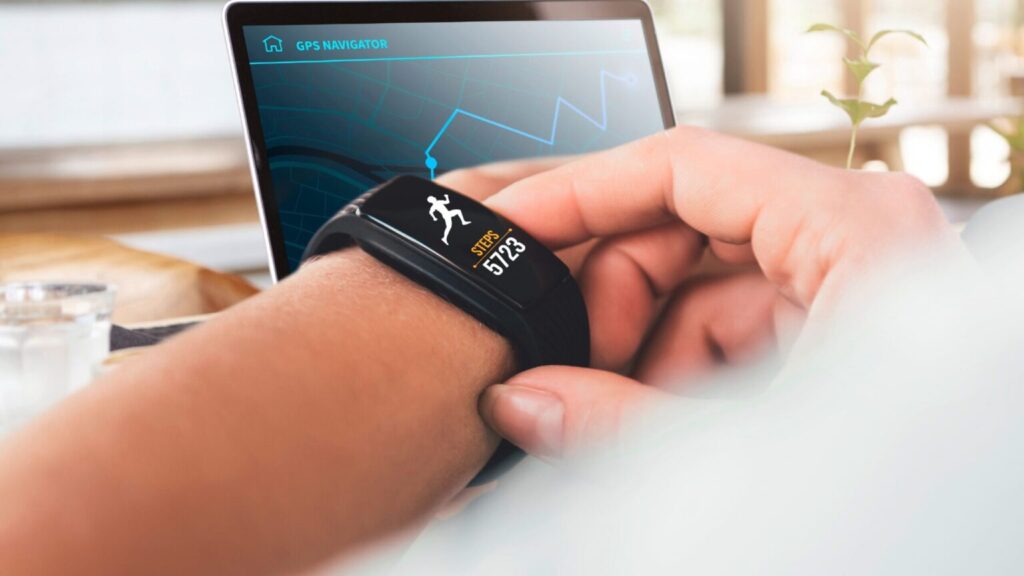
Beyond medical monitoring, wearables have revolutionized fitness and lifestyle management. Step counters, activity tracking, and guided workout programs motivate users to adopt healthier habits. Many devices even integrate with nutrition apps, helping individuals maintain balanced diets and reach fitness goals.
In the Gulf, where outdoor exercise can be challenging due to extreme temperatures, smart wearables provide a practical alternative. They encourage indoor activities, track progress, and offer virtual coaching. This combination of convenience and motivation has led to a noticeable increase in health-conscious behavior across the region.
Integration with Healthcare Systems
The potential of smart wearables extends beyond personal use. Hospitals and healthcare providers in the Gulf are beginning to integrate wearable data into their systems. This integration allows doctors to monitor patients remotely, track recovery after surgery, and provide personalized treatment plans.
Remote monitoring is especially beneficial for chronic patients who require continuous care. With wearables, healthcare providers can detect complications early and intervene promptly. This not only improves patient outcomes but also optimizes hospital resources, making healthcare more efficient.
Impact on Elderly Care
The elderly population in the Gulf is growing, and with it, the need for effective health monitoring solutions. Smart wearables are increasingly being used to support senior citizens, enabling them to live independently while staying connected to medical assistance.
Devices can alert caregivers or family members in case of falls, sudden changes in vital signs, or irregular activity patterns. This feature offers peace of mind to families while promoting safety and autonomy for the elderly. In a region where family-centered care is deeply valued, this technology has made a significant social impact.
Driving Innovation and Technology Adoption
The popularity of smart wearables in the Gulf has also spurred local innovation. Tech companies and startups are developing devices specifically tailored to the needs of the regional population. These innovations focus on features like language customization, cultural preferences, and climate-adapted usability.
Governments in the Gulf are actively supporting this technological growth. By investing in digital health initiatives and encouraging tech adoption, they are positioning the region as a global hub for health tech innovation. This ecosystem not only benefits consumers but also stimulates economic growth and job creation.
Challenges and Considerations
Despite their numerous benefits, smart wearables are not without challenges. Data privacy is a major concern, as sensitive health information is collected and stored on devices and cloud platforms. Ensuring secure handling of this data is essential to maintain user trust.
Accuracy is another consideration. While wearables provide valuable insights, they are not a replacement for professional medical evaluation. Users must understand the limitations of the technology and use it as a complement to traditional healthcare services.
Affordability is also a factor. High-quality wearables may be expensive for some segments of the population. However, as technology advances and competition increases, prices are gradually becoming more accessible.
The Future of Wearable Health Monitoring in the Gulf
Looking ahead, the role of smart wearables in the Gulf is poised to expand even further. Integration with artificial intelligence, machine learning, and telemedicine will make health monitoring more predictive and personalized. Devices may soon provide real-time recommendations, suggest lifestyle adjustments, and even detect early signs of diseases before symptoms appear.
Additionally, wearable technology may play a vital role in public health initiatives. By analyzing aggregated data, governments can identify trends, track disease outbreaks, and design targeted interventions. This could lead to a more resilient healthcare system capable of addressing challenges proactively.
Conclusion: A Healthier, Smarter Future
Smart wearables are more than just gadgets they are catalysts for a healthier lifestyle and transformative tools for healthcare systems. In the Gulf, these devices are empowering individuals, enhancing preventive care, supporting the elderly, and driving innovation across the health sector.
As adoption continues to grow, the region is witnessing a shift toward a more proactive and personalized approach to health. The combination of technology, innovation, and awareness is creating a future where individuals can take charge of their well-being like never before. The Gulf is not just embracing wearable technology it is redefining what it means to live a healthy, informed, and empowered life.
Do follow Gulf Magazine on Instagram.
Also Read – AI-Powered Retail Solutions Revolutionizing Gulf Shopping Experiences

