

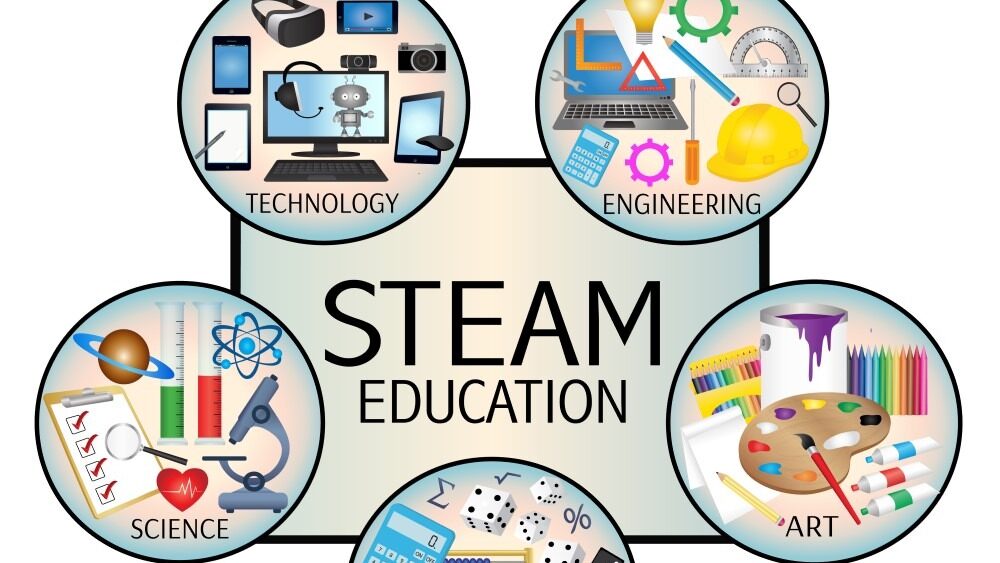
STEM Education (Science, Technology, Engineering, Math) is gaining massive attention in Saudi Arabia as the country works to diversify its economy and invest in youth development. Under Vision 2030, Saudi Arabia is rapidly moving toward innovation, technology, and sustainable industries—and STEM education is at the heart of this transformation.
Saudi Arabia is focused on building a future where science and technology play a leading role. The education system is evolving to meet the needs of this digital future, and STEM programs are being introduced in schools, universities, and training centers nationwide.
The Need for STEM Education in Saudi Arabia
Saudi Arabia has realized the importance of reducing its dependence on oil. One way to do this is by developing a knowledge-based economy. This is where STEM education becomes crucial. By training students in science, technology, engineering, and math, the country can prepare a future-ready workforce equipped to handle complex challenges.
Government policies are promoting STEM fields to bridge the gap between academic knowledge and the practical skills needed in modern industries. The growing demand for engineers, IT professionals, scientists, and innovators in sectors like healthcare, energy, and logistics makes STEM education more relevant than ever.
Major Initiatives Boosting STEM Education
Several national efforts are driving the development of STEM education in Saudi Arabia:
- Vision 2030 Education Reform:
Vision 2030 emphasizes a modern, innovative education system. The curriculum is being updated to include advanced STEM concepts from an early age. Interactive labs, digital tools, and critical thinking modules are now part of the academic structure. - Tatweer Education Holding Company:
This organization works under the Ministry of Education and is a key player in upgrading schools and promoting STEM subjects through training programs and strategic projects. - MiSK Foundation:
Founded by Crown Prince Mohammed bin Salman, the MiSK Foundation promotes youth empowerment through technology and innovation. It runs coding boot camps, robotics competitions, and global tech partnerships to encourage STEM learning. - University Collaboration and Research:
Universities like King Abdullah University of Science and Technology (KAUST) and King Saud University are leading in research and development. They offer world-class STEM courses and collaborate with international institutions.
Girls in STEM: A Rising Force
One of the most inspiring developments in Saudi Arabia’s education sector is the increasing participation of girls in STEM fields. Social and legal reforms have opened more doors for women, and educational policies are encouraging gender equality in technical and scientific subjects.
More Saudi women are now enrolling in computer science, engineering, and biotechnology courses. Programs aimed at mentoring female students and supporting their career growth in STEM have shown strong results.
This shift not only empowers women but also helps in building a more balanced and skilled workforce.
Challenges in Implementing STEM Education
Despite the progress, there are still challenges that Saudi Arabia must overcome:
- Lack of Qualified Teachers:
There is a shortage of educators trained specifically to teach STEM subjects using modern methods. This makes it harder to deliver the curriculum effectively. - Access in Rural Areas:
While major cities are seeing rapid improvements, rural schools often lack the infrastructure and resources to support STEM education. - Low Practical Exposure:
Many students do not get enough hands-on experience. While theory is strong, practical labs and real-world applications are limited in some institutions. - Language Barrier:
Most advanced STEM content is in English. While efforts are being made to teach English from early grades, many students still struggle to understand complex technical content.
The Future of STEM in Saudi Arabia
Looking forward, the future of STEM education (Science, Technology, Engineering, Math) in Saudi Arabia appears promising. With strong government support, public-private partnerships, and increased global collaboration, the country is building a strong foundation for long-term success.
The growing interest in artificial intelligence, space exploration, clean energy, and biotechnology are expected to generate new opportunities. Students trained in STEM fields will be the driving force behind these innovations.
In addition, the Ministry of Education plans to further expand STEM curriculum to primary levels. Early exposure is expected to help students develop critical thinking skills and a love for technology from a young age.
International Collaboration and Investment
To ensure global standards, Saudi Arabia is partnering with leading universities and companies across the world. Programs like the “International STEM Summit” and collaborative research ventures are giving students and educators exposure to the latest trends in science and innovation.
Major global tech firms are also investing in training and internships in Saudi Arabia. These initiatives ensure that local talent is ready for the international job market.
Private Sector Involvement
Private companies are playing an active role in promoting STEM education. Organizations are offering scholarships, internships, and mentorship programs. Sectors like oil and gas, IT, and construction need skilled STEM professionals, and companies are investing in the development of this talent pool.
Firms are also supporting schools and universities with advanced lab equipment, software, and training to help align academic programs with industry needs.
Conclusion
STEM Education (Science, Technology, Engineering, Math) is more than just a curriculum in Saudi Arabia—it is a national priority. From reforming classrooms to empowering women and partnering with global institutions, the country is making strong progress.
While challenges remain, the focus on innovation, practical training, and future-readiness is placing Saudi students on the global map. As Saudi Arabia moves ahead with its Vision 2030 goals, STEM education will be the backbone of its knowledge-based economy.
The commitment to training the next generation of scientists, engineers, and tech leaders proves that Saudi Arabia is ready for a future driven by knowledge and innovation.Do follow Gulf Magazine on Instagram
Also Read – E-Learning and Online Education: It Thrives in Saudi Arabia

