


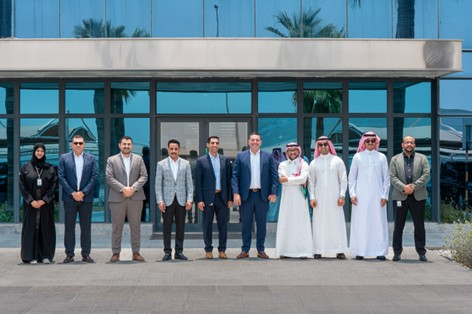
Saudi Arabia, a country long associated with oil and gas, is embracing a transformative shift toward sustainable energy solutions. Strataphy and Baker Hughes, two leaders in their respective fields, have announced a strategic partnership to deploy geothermal cooling technology across the kingdom. This initiative aims to redefine how industrial, commercial, and urban areas in Saudi Arabia manage temperature and energy efficiency.
The partnership signifies a move toward environmentally responsible technologies in a region where energy consumption, especially for cooling, is among the highest in the world. By integrating geothermal solutions, Saudi Arabia can reduce its carbon footprint, conserve energy, and pave the way for sustainable urban development.
Understanding Geothermal Cooling Technology
Geothermal cooling is a renewable energy solution that leverages the stable temperature of the Earth’s subsurface to provide efficient cooling. Unlike traditional air-conditioning systems that consume significant electricity and emit greenhouse gases, geothermal systems use natural heat transfer processes to maintain optimal temperatures.
This technology relies on a network of underground pipes, known as a geothermal loop, through which a fluid circulates. Heat from buildings is absorbed and transferred into the ground during hot months, while in cooler periods, the system can provide heating by extracting warmth from the Earth. The result is a consistent, energy-efficient, and eco-friendly solution to climate control challenges.
The Strategic Partnership: Strataphy and Baker Hughes
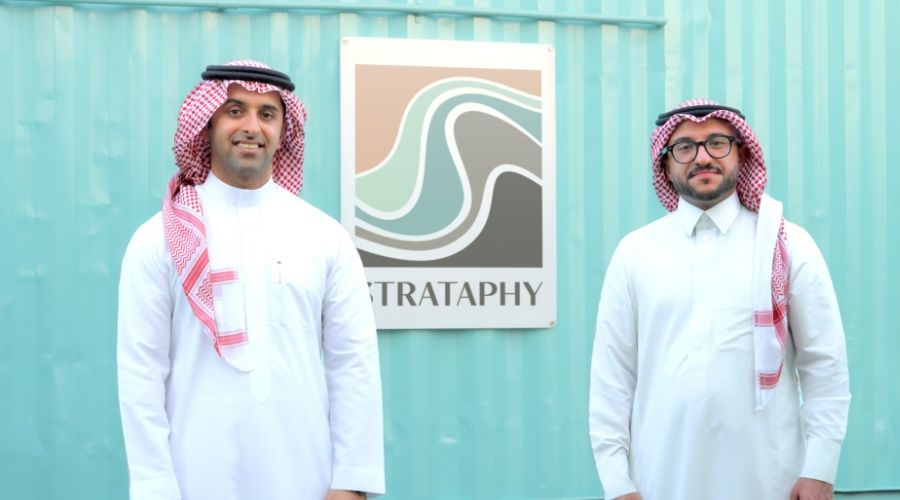
Strataphy, a pioneer in geothermal exploration, brings deep expertise in subsurface mapping, drilling, and resource assessment. Baker Hughes, a global energy technology company, contributes its engineering excellence, deployment capabilities, and experience in energy systems integration. Together, their collaboration combines innovation, technical know-how, and operational efficiency to accelerate geothermal adoption in Saudi Arabia.
The partnership will focus on three core objectives:
- Rapid deployment of geothermal cooling systems in key urban and industrial zones.
- Integration of advanced monitoring and data analytics to optimize system performance.
- Reduction of carbon emissions and energy consumption through sustainable design.
Saudi Arabia’s Urgent Need for Efficient Cooling
Saudi Arabia experiences some of the highest temperatures globally, especially during summer months. Cooling requirements for commercial buildings, industrial facilities, and residential complexes account for a large portion of the nation’s energy consumption. Traditional cooling methods rely heavily on fossil fuels, contributing to high carbon emissions and escalating electricity costs.
Geothermal cooling offers a long-term solution to this challenge. By tapping into the Earth’s natural thermal stability, energy use for cooling can be dramatically reduced, resulting in both environmental and economic benefits. Furthermore, geothermal systems offer consistent performance even in extreme climates, making them ideal for Saudi Arabia’s desert environment.
Deployment Plans and Key Projects
The Strataphy-Baker Hughes collaboration is set to target major urban centers and industrial zones initially. These include commercial districts in Riyadh and Jeddah, industrial parks, and large-scale residential developments.
Pilot projects will serve as proof-of-concept installations, demonstrating both the energy savings and environmental advantages of geothermal cooling. These early deployments will also inform scalability strategies, enabling rapid expansion to additional regions in the kingdom.
By combining Strataphy’s subsurface expertise with Baker Hughes’ engineering and project management capabilities, these projects are expected to deliver measurable results in energy efficiency and operational cost reduction within the first year of deployment.
Environmental and Economic Benefits
The adoption of geothermal cooling aligns with Saudi Arabia’s broader sustainability objectives, including Vision 2030, which emphasizes renewable energy adoption and reduction of environmental impact.
Key benefits include:
- Reduced Carbon Footprint: By relying on the Earth’s natural thermal energy, geothermal cooling eliminates emissions associated with conventional air conditioning.
- Energy Savings: Geothermal systems can reduce electricity consumption by up to 50-70% compared to traditional cooling methods.
- Cost Efficiency: Although initial installation costs are higher, long-term savings from reduced energy bills and maintenance expenses make geothermal cooling economically viable.
- Urban Comfort: Consistent and efficient temperature control improves living and working conditions in cities where heat is a major challenge.
Innovative Technologies Behind the Partnership
Both companies are leveraging advanced technologies to maximize the impact of geothermal cooling. Strataphy uses state-of-the-art subsurface mapping and modeling to identify the most efficient sites for geothermal deployment. Baker Hughes provides smart integration with energy management systems, enabling real-time monitoring, predictive maintenance, and adaptive energy use.
Additionally, innovations in drilling, pipeline design, and heat transfer fluids are enhancing system efficiency and reliability. This ensures that geothermal solutions can operate seamlessly even under extreme weather conditions prevalent in Saudi Arabia.
Challenges and Opportunities
While geothermal cooling holds enormous promise, the partnership must navigate several challenges. Initial infrastructure costs, regulatory approvals, and technical adaptation to local geological conditions require careful planning. However, these challenges are offset by the enormous opportunities for sustainable energy adoption in the region.
Saudi Arabia’s commitment to renewable energy, combined with strong government incentives, positions this partnership to achieve significant success. By demonstrating the effectiveness of geothermal solutions, Strataphy and Baker Hughes can inspire broader adoption of renewable technologies in the kingdom and across the Middle East.
Future Outlook
The Strataphy-Baker Hughes initiative represents a milestone in Saudi Arabia’s transition toward sustainable energy solutions. As pilot projects expand into full-scale deployments, the kingdom could emerge as a regional leader in geothermal cooling technology.
Looking ahead, the partnership envisions:
- Expansion to residential, commercial, and industrial sectors nationwide.
- Collaboration with local universities and research institutions to develop expertise and workforce capabilities in geothermal technology.
- Contribution to Saudi Arabia’s ambitious climate goals, including reducing greenhouse gas emissions and diversifying energy sources.
By harnessing the power of geothermal energy, Saudi Arabia can transform its urban infrastructure, improve energy efficiency, and enhance the quality of life for its residents, all while demonstrating global leadership in sustainable innovation.
Conclusion
The partnership between Strataphy and Baker Hughes marks a pivotal moment in Saudi Arabia’s journey toward renewable energy adoption. Geothermal cooling technology provides an innovative, efficient, and environmentally responsible solution to the country’s escalating cooling demands.
As projects roll out across the kingdom, the collaboration promises not only energy and cost savings but also a model for sustainable urban development that could inspire other nations. By combining technological expertise, strategic vision, and a commitment to environmental stewardship, Strataphy and Baker Hughes are redefining the future of cooling in Saudi Arabia and setting new standards for sustainable innovation worldwide.
Do follow Gulf Magazine on Instagram.
Also Read – Unlocking the Saudi Tech Market: What U.S. Innovators Need to Know for 2026

