

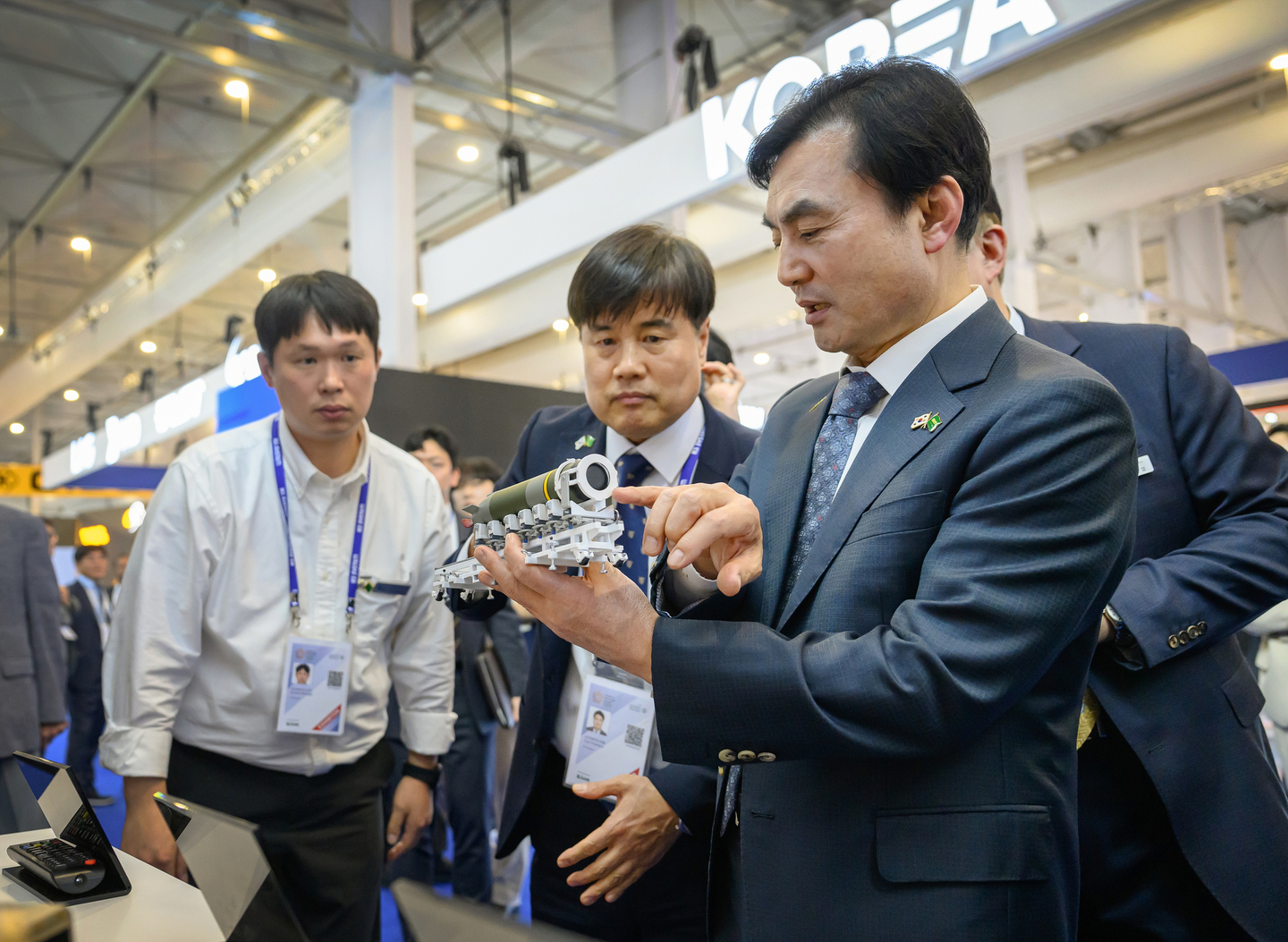
South Korea and Saudi Arabia are taking their long-standing defense relationship to an entirely new level by expanding cooperation into research and development. What began as a traditional buyer-supplier defense partnership is now evolving into a strategic alliance focused on innovation, technology sharing, and joint development of next-generation defense systems. This shift reflects changing global security needs and both nations’ ambitions to build resilient, future-ready defense industries.
The move toward R&D collaboration signals trust, long-term commitment, and a shared vision. For South Korea, it strengthens its position as a global defense technology leader. For Saudi Arabia, it aligns with its broader goal of localizing defense manufacturing and building indigenous capabilities. Together, the two countries are shaping a partnership that goes beyond transactions and into true co-creation.
A Strategic Relationship Enters a New Phase
Defense cooperation between South Korea and Saudi Arabia is not new. Over the years, South Korean defense companies have supplied a range of military equipment and systems to the Kingdom, earning a reputation for reliability, cost-effectiveness, and advanced technology. These successful engagements laid the foundation for deeper collaboration.
Now, both governments are signaling that the future lies in working together from the earliest stages of innovation. Instead of simply purchasing finished products, Saudi Arabia is seeking joint design, development, testing, and eventual production of defense technologies. South Korea, with its strong R&D ecosystem and experience in rapid technological advancement, is a natural partner in this transition.
Why R&D Cooperation Matters Today
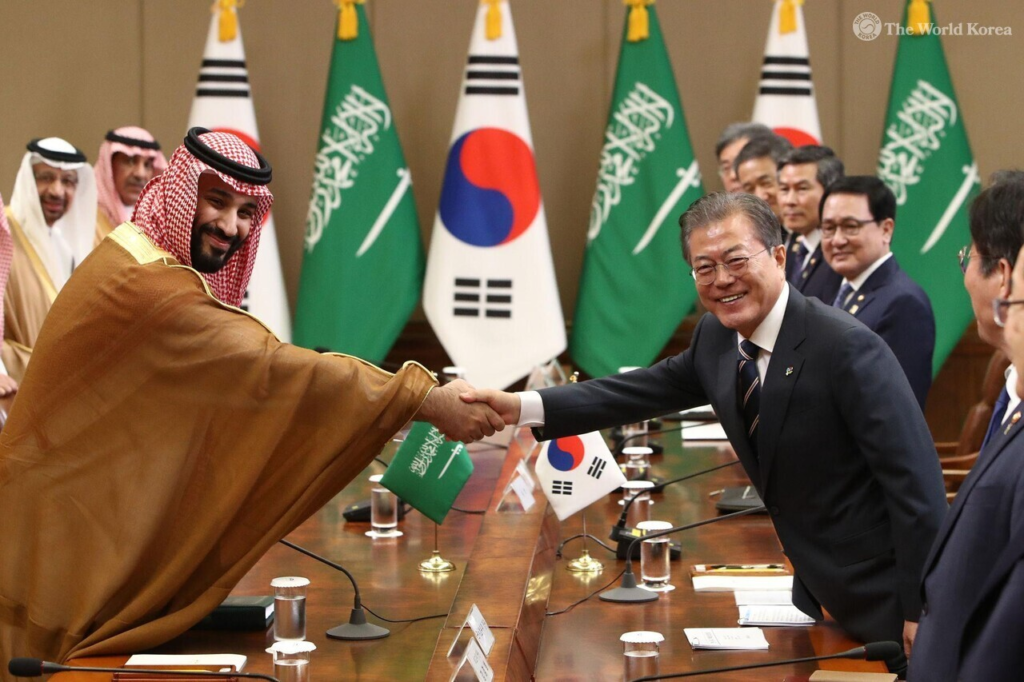
Modern defense challenges are increasingly complex. Cyber threats, unmanned systems, artificial intelligence, and space-based capabilities are redefining how nations think about security. Addressing these challenges requires more than off-the-shelf solutions; it demands continuous innovation and adaptability.
By collaborating on R&D, South Korea and Saudi Arabia can pool expertise, share risks, and accelerate development timelines. This approach allows both countries to stay ahead of emerging threats while ensuring their armed forces are equipped with cutting-edge, customized solutions.
South Korea’s Strength in Defense Innovation
South Korea’s rise as a defense technology powerhouse has been driven by decades of investment in research, engineering, and manufacturing. From advanced fighter jets and naval vessels to missile defense systems and smart surveillance technologies, Korean firms have demonstrated their ability to compete on the global stage.
What makes South Korea particularly attractive as an R&D partner is its integrated ecosystem. Government agencies, private defense companies, universities, and research institutes work closely together. This collaborative model enables rapid prototyping, efficient testing, and smooth transition from research to production.
Experience in Co-Development Projects
South Korea is not new to joint defense development. It has previously engaged in collaborative programs with multiple international partners, gaining valuable experience in managing shared intellectual property, aligning technical standards, and coordinating multinational teams.
This experience reduces the friction often associated with cross-border R&D projects. For Saudi Arabia, partnering with a country that understands the complexities of joint development increases the chances of success and long-term sustainability.
Saudi Arabia’s Vision for a Self-Reliant Defense Sector
Saudi Arabia’s push toward defense R&D cooperation is closely tied to its national development goals. The Kingdom has been working to reduce reliance on imports by building local manufacturing and innovation capabilities within its defense sector.
Joint R&D with South Korea supports this vision by enabling technology transfer, skills development, and the creation of high-value jobs. Instead of simply assembling imported components, Saudi engineers and researchers can actively participate in designing and improving advanced systems.
Building Local Talent and Infrastructure
R&D collaboration goes hand in hand with human capital development. Joint projects often involve training programs, exchange of engineers, and shared research facilities. Over time, this helps build a skilled local workforce capable of sustaining innovation independently.
For Saudi Arabia, this is a critical step toward long-term defense autonomy. It also ensures that defense spending contributes directly to economic diversification and technological advancement within the country.
Key Areas of Potential Cooperation
While specific project details may evolve over time, several areas stand out as natural focal points for Korea–Saudi R&D collaboration.
Advanced Land and Air Systems
Both countries have strong interests in modernizing land and air platforms. Joint R&D could focus on next-generation armored vehicles, smart artillery systems, or advanced aircraft components that integrate sensors, AI, and network-centric capabilities.
Such collaboration allows systems to be tailored to regional operational environments while benefiting from South Korea’s engineering expertise and Saudi Arabia’s strategic requirements.
Unmanned and Autonomous Technologies
Unmanned aerial, ground, and maritime systems are rapidly transforming defense operations. Collaborative research in autonomy, control systems, and data processing could produce versatile platforms suitable for surveillance, logistics, and combat support roles.
Working together in this space also helps both countries stay competitive in one of the fastest-growing segments of the global defense market.
Cyber and Electronic Warfare
As digital threats grow, cyber defense and electronic warfare have become central to national security. Joint R&D in secure communications, electronic countermeasures, and cyber resilience can enhance the protection of critical military infrastructure.
This area of cooperation highlights the shift from purely physical defense assets to integrated, technology-driven security solutions.
Mutual Benefits Beyond Defense
The impact of expanded R&D cooperation extends beyond military capabilities. Joint innovation projects often generate spillover benefits for civilian industries, including aerospace, electronics, materials science, and artificial intelligence.
For South Korea, deeper engagement with Saudi Arabia strengthens access to Middle Eastern markets and reinforces its global defense brand. For Saudi Arabia, collaboration accelerates technological learning and supports broader industrial development goals.
Strengthening Diplomatic and Economic Ties
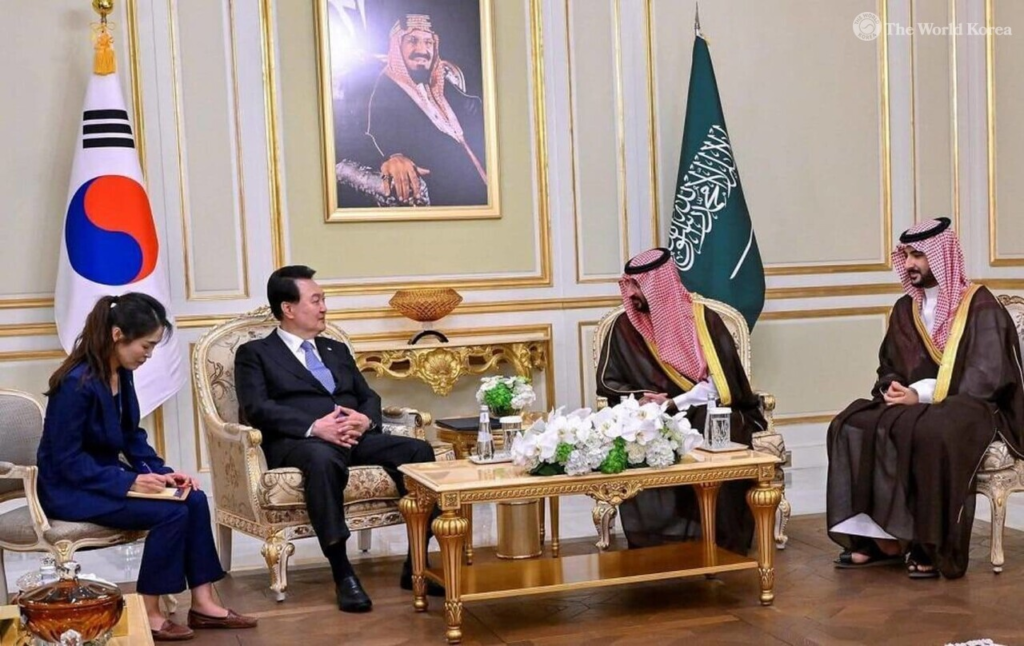
Defense partnerships built on R&D tend to be more durable than simple procurement deals. They require ongoing dialogue, trust, and coordination at multiple levels. This naturally strengthens diplomatic relations and opens doors for cooperation in other sectors such as energy, infrastructure, and high technology.
The Korea–Saudi relationship, therefore, becomes not just a defense alliance but a comprehensive strategic partnership.
Challenges and the Path Forward
Like any ambitious collaboration, joint R&D efforts come with challenges. Aligning technical standards, managing intellectual property, and coordinating timelines across different regulatory environments require careful planning and clear agreements.
However, both South Korea and Saudi Arabia have shown a strong commitment to overcoming these hurdles. Establishing dedicated joint committees, clear legal frameworks, and long-term roadmaps can ensure that cooperation remains focused and productive.
A Long-Term Vision
The expansion of defense ties into R&D cooperation is not a short-term initiative. It represents a long-term vision where both countries grow together as innovators and security partners. Success will be measured not just by individual projects, but by the strength of institutions, talent networks, and trust built over time.
A New Model for Defense Partnerships
The evolving relationship between South Korea and Saudi Arabia reflects a broader shift in how nations approach defense cooperation. Increasingly, countries are seeking partners who can innovate alongside them, rather than simply supply equipment.
By choosing R&D collaboration, South Korea and Saudi Arabia are positioning themselves at the forefront of this new model. Their partnership demonstrates how shared goals, complementary strengths, and a focus on innovation can redefine international defense relationships.
As this cooperation deepens, it has the potential to reshape not only the defense capabilities of both nations but also the global defense landscape. In a world where technology moves fast and security challenges are ever-changing, partnerships built on joint innovation may prove to be the most powerful defense of all.
Do Follow Gulf Magazine on Instagram
Read More:- Prince William’s Strategic Saudi Visit Signals a Powerful Diplomatic Shift 2026

