

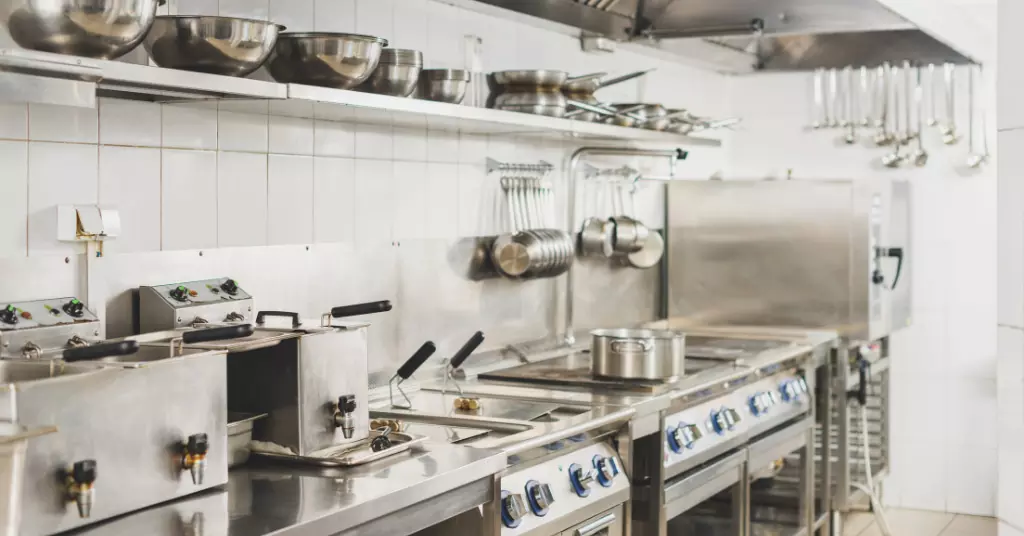
Saudi Arabia has taken a decisive step to strengthen food safety and public health by mandating certified food safety specialists in all central kitchens operating across the Kingdom. The new regulation reflects the country’s growing focus on hygiene, consumer trust, and global best practices within its rapidly expanding food and hospitality sector. As dining habits evolve and large-scale food production becomes more common, the move aims to ensure that safety standards keep pace with growth.
This regulation marks a shift from reactive inspections to proactive prevention. By placing trained professionals at the heart of food operations, Saudi Arabia is signaling that food safety is not just a compliance requirement, but a shared responsibility that protects consumers, workers, and businesses alike.
Understanding Central Kitchens and Their Growing Role
Central kitchens are facilities that prepare food in bulk for distribution to restaurants, cafés, catering services, hospitals, schools, and food delivery platforms. Unlike traditional single-outlet kitchens, these facilities serve multiple locations and often operate at high volumes, making food safety controls even more critical.
In Saudi Arabia, central kitchen have grown rapidly due to urbanization, busy lifestyles, and the rise of food delivery services. From cloud kitchens serving multiple brands to large catering hubs supporting events and institutions, these facilities have become a backbone of the modern food ecosystem.
With such scale comes responsibility. A single lapse in hygiene can impact thousands of consumers. The new regulation acknowledges this reality and aims to manage risk at its source.
Why Certified Food Safety Specialists Are Now Mandatory
At the core of the regulation is a simple principle: expertise matters. Certified food safety specialists are trained to identify hazards, implement preventive measures, and maintain strict hygiene protocols throughout food preparation, storage, and distribution.
Previously, food safety responsibilities were often shared among staff with varying levels of training. The new mandate ensures that every central kitchen has at least one qualified professional whose primary role is to oversee safety standards and compliance.
These specialists act as the first line of defense against contamination, foodborne illness, and operational errors. Their presence transforms food safety from a checklist into a continuous, living process.
Key Responsibilities of Food Safety Specialists
Certified food safety specialists play a hands-on role in daily operations. Their responsibilities include monitoring food handling practices, ensuring proper storage temperatures, overseeing cleaning schedules, and verifying that ingredients meet quality standards.
They are also responsible for staff training, helping workers understand hygiene protocols and the importance of personal cleanliness. From proper handwashing to avoiding cross-contamination, these daily habits form the foundation of safe food production.
In addition, specialists maintain records, conduct internal audits, and ensure that the kitchen complies with national regulations. This structured oversight brings consistency and accountability to operations.

Raising Hygiene Standards Across the Food Sector
The regulation does more than add a new job title. It raises expectations across the entire food industry. Cleanliness, organization, and traceability are no longer optional enhancements but essential standards.
Central kitchens are now required to operate with greater transparency, ensuring that every stage of food production can be monitored and reviewed. This approach reduces risks while increasing confidence among regulators and consumers.
Higher hygiene standards also mean fewer disruptions caused by violations, closures, or reputational damage. For businesses, compliance becomes a form of protection as well as responsibility.
Boosting Consumer Confidence and Trust
Food safety directly affects public trust. When consumers order meals from restaurants or delivery platforms, they expect that food has been prepared safely and responsibly, even if they never see the kitchen.
By enforcing certified oversight, Saudi Arabia strengthens consumer confidence in its food system. People can dine, order, and cater events with greater peace of mind, knowing that professionals are actively safeguarding their meals.
This trust is especially important as the Kingdom positions itself as a global tourism and hospitality destination. International visitors bring high expectations, and consistent food safety standards help meet them.
Impact on Food Businesses and Operators
For food businesses, the regulation introduces new responsibilities, but also new opportunities. Hiring or training certified food safety specialists may initially require investment, particularly for smaller operators.
However, the long-term benefits often outweigh the costs. Improved safety reduces waste, minimizes risks of foodborne illness, and enhances operational efficiency. Businesses that comply early can differentiate themselves as reliable and professional partners.
The regulation also levels the playing field. When all central kitchens follow the same standards, competition shifts toward quality, innovation, and service rather than shortcuts.
Supporting Vision 2030 and Economic Growth
Saudi Arabia’s food safety reforms align closely with Vision 2030, which emphasizes quality of life, economic diversification, and global competitiveness. A strong regulatory framework supports sustainable growth in hospitality, tourism, and food manufacturing.
As the Kingdom attracts international brands and investors, clear and enforced food safety standards make the market more appealing. Businesses gain confidence in a system that values professionalism and accountability.
The mandate also creates new career pathways for Saudi nationals, encouraging education and certification in food safety and quality management fields.
Training, Certification, and Professional Development
The demand for certified food safety specialists is expected to grow steadily. Training programs and certification courses play a crucial role in preparing professionals to meet regulatory requirements.
These programs focus on risk assessment, hazard analysis, hygiene management, and regulatory compliance. Continuous learning ensures that specialists stay updated with evolving standards and technologies.
By promoting professional development, the regulation helps build a skilled workforce capable of supporting a modern, resilient food industry.

Technology and Monitoring in Central Kitchens
Food safety specialists often work alongside digital tools that enhance monitoring and control. Temperature sensors, inventory systems, and surveillance technologies help track compliance in real time.
Such tools support transparency and allow specialists to respond quickly to potential issues. When combined with human expertise, technology strengthens the overall safety framework.
The regulation encourages a culture where prevention is valued more than correction, reducing risks before they escalate.
Challenges and Adaptation for the Industry
Change rarely comes without challenges. Some businesses may initially struggle with staffing, training, or operational adjustments. Adapting existing workflows to meet new standards requires time and commitment.
However, clear regulations and consistent enforcement help smooth the transition. As businesses become familiar with expectations, compliance becomes part of routine operations rather than an obstacle.
Industry collaboration and shared best practices can further ease adaptation and promote a unified approach to food safety.
Long-Term Benefits for Public Health
At its core, the mandate protects public health. Fewer food safety incidents mean fewer illnesses, reduced healthcare burdens, and a healthier population.
Prevention-focused systems help identify risks early, preventing outbreaks that could affect large numbers of people. Over time, this proactive approach strengthens resilience across the food supply chain.
Public health benefits extend beyond individuals to communities, institutions, and the broader economy.
A Cultural Shift Toward Accountability
Perhaps the most significant impact of the regulation is cultural. It reinforces the idea that food safety is everyone’s responsibility, guided by trained professionals.
Workers become more aware of their role in maintaining standards, while managers recognize the value of expert oversight. This shared accountability fosters pride in quality and professionalism.
As food safety becomes embedded in daily practice, it transforms from an obligation into a core value.
What This Means for the Future of Food in Saudi Arabia
Saudi Arabia’s mandate for certified food safety specialists in central kitchens represents a forward-looking approach to regulation. It acknowledges the realities of modern food production while prioritizing health, trust, and sustainability.
The move positions the Kingdom as a regional leader in food safety governance, setting a benchmark that others may follow. For consumers, businesses, and professionals, it signals a future where quality and safety go hand in hand.
Do follow Gulf Magazine on Instagram.
Also Read – Why Food Safety Standards Matter in Saudi Arabia’s Food Industry

