

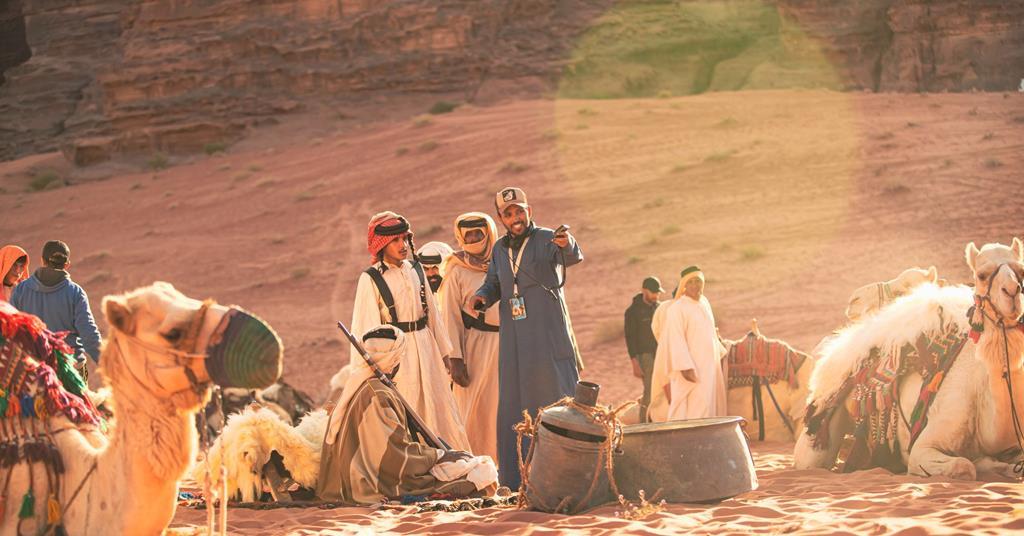
Across the vast deserts and rugged mountains of the Arabian Peninsula, a quiet struggle unfolds every day. It is a battle not waged with weapons or armies, but with resilience, patience, and hope. At its heart stands the Arabian wolf, a shy and intelligent predator that has learned to survive where life itself seems impossible. For centuries, these wolves have moved silently through the sands, shaping ecosystems and coexisting with human communities. Today, their future hangs in the balance.
The story of the Arabian wolf is not only about wildlife conservation. It is a deeply human story of fear, misunderstanding, loss, and redemption. It reflects how societies treat the land they depend on and the creatures that share it. To save the Arabian wolf is to rediscover a sense of responsibility toward nature and to accept that survival, in the end, is a shared journey.
The Arabian Wolf: A Symbol of Desert Survival
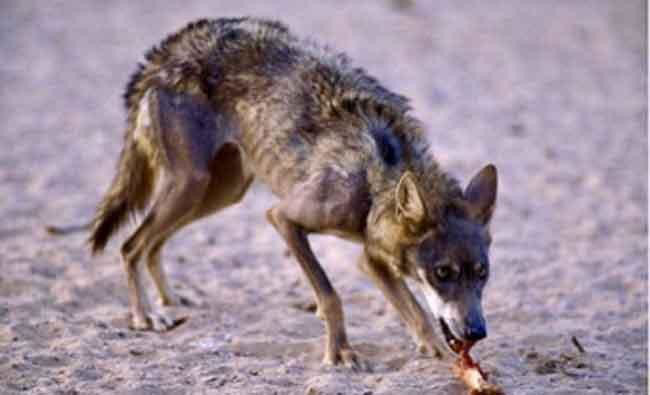
Smaller and leaner than its northern cousins, the Arabian wolf is perfectly adapted to desert life. Its slender body, long legs, and keen senses allow it to travel great distances in search of food and water. Unlike the image of wolves in snowy forests, these wolves thrive under blistering sun and cold desert nights, proving that adaptability is one of nature’s greatest strengths.
A Life Shaped by Harsh Landscapes
The Arabian wolf survives in environments where resources are scarce and unpredictable. It feeds on small mammals, reptiles, birds, and carrion, playing a vital role in keeping ecosystems balanced. By controlling prey populations and cleaning up remains, the wolf supports the fragile desert web of life.
Its survival instincts are extraordinary. Arabian wolves are mostly nocturnal, avoiding human activity and extreme daytime heat. They live in small family groups or pairs, forming strong social bonds that help them endure harsh conditions. These close-knit relationships mirror the importance of cooperation, a lesson as relevant to humans as it is to wolves.
Cultural Presence and Ancient Stories
For generations, wolves have appeared in Arabian folklore, poetry, and oral traditions. Sometimes feared, sometimes admired, they were seen as symbols of endurance and intelligence. However, as modern lifestyles replaced traditional ways of living, this cultural connection weakened. Fear began to outweigh respect, and misunderstanding replaced coexistence.
Threats Pushing Arabian Wolves to the Brink
Despite their resilience, Arabian wolves face challenges that test their ability to survive. These threats are largely human-made, driven by expanding development and changing land use across the region.
Habitat Loss and Fragmentation
Rapid urban expansion, road construction, and industrial projects have carved the desert into smaller, disconnected pieces. For a species that relies on large territories to find food and mates, this fragmentation is devastating. Wolves are forced into smaller areas, increasing competition and reducing genetic diversity.
As their natural habitat shrinks, wolves come into closer contact with human settlements. This proximity often leads to conflict, setting the stage for further decline.
Human-Wildlife Conflict
Livestock farming has expanded deep into traditional wolf territories. When natural prey becomes scarce, wolves may prey on goats, sheep, or camels, leading to anger and retaliation from herders. Poisoning, trapping, and shooting have all contributed to declining wolf numbers.
These conflicts are often fueled by fear and economic pressure rather than malice. For many rural families, livestock represents survival. Losing animals can mean losing livelihoods, making tolerance difficult without support and alternatives.
Declining Prey and Environmental Pressures
Overhunting of wild prey species and prolonged droughts linked to climate change have reduced food availability for wolves. Desert ecosystems are already fragile, and even small changes can have cascading effects. When prey disappears, wolves must travel farther and take greater risks, increasing the chances of conflict and mortality.
The Human Cost of Losing Arabian Wolves
The disappearance of the Arabian wolf would not only be an ecological loss but a human one as well. Wolves play a key role in maintaining healthy ecosystems, which in turn support agriculture, water systems, and biodiversity.
Without predators, prey populations can grow unchecked, leading to overgrazing and land degradation. This weakens the land’s ability to support life, affecting communities that depend on it. Saving wolves is, in many ways, about protecting the long-term health of the desert itself.
Conservation Efforts Bringing Hope
Despite the challenges, there is reason for hope. Across the region, conservationists, researchers, and local communities are working together to change the wolf’s fate.
Protected Areas and Wildlife Reserves
Establishing and expanding protected areas has given Arabian wolves safe spaces to roam and reproduce. These reserves provide critical habitat where human activity is limited, allowing ecosystems to recover. Carefully managed corridors between reserves also help reconnect fragmented populations.
Research and Monitoring
Scientists are using modern tools such as camera traps and GPS tracking to better understand wolf behavior, movement, and population trends. This knowledge helps design effective conservation strategies and identify conflict hotspots before problems escalate.
Understanding wolves as individuals and family groups has also humanized them in the eyes of the public. When people see wolves as living beings rather than threats, attitudes begin to change.
Community-Based Solutions
One of the most powerful conservation tools is community involvement. Programs that compensate herders for livestock losses, promote predator-proof enclosures, and provide alternative income sources have reduced conflict significantly.
Education plays a vital role as well. When communities learn about the ecological value of wolves and practical ways to coexist, fear gives way to understanding. Children, in particular, become ambassadors for conservation, carrying new values into the future.
Rebuilding Trust Between Humans and Wolves
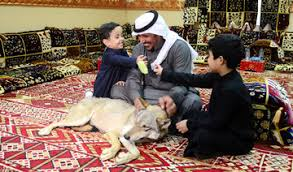
Saving the Arabian wolf requires rebuilding a broken relationship. This means listening to local voices and respecting their concerns while finding solutions that protect both livelihoods and wildlife.
Changing Perceptions Through Storytelling
Stories have always shaped how humans relate to nature. By sharing real stories of coexistence and success, conservationists are replacing myths with empathy. Wolves are no longer portrayed as villains but as survivors facing the same environmental pressures as humans.
Empowering Local Guardians
In some regions, former hunters and herders have become wildlife guardians, using their deep knowledge of the land to protect wolves. This shift transforms adversaries into allies, proving that conservation works best when it is inclusive and respectful.
The Role of Policy and Regional Cooperation
Effective conservation also depends on strong policies and cooperation across borders. Arabian wolves do not recognize political boundaries, and their protection requires coordinated efforts between countries.
Stronger enforcement of wildlife protection laws, sustainable land-use planning, and investment in conservation research are essential. When governments prioritize biodiversity alongside development, they send a powerful message that progress does not have to come at nature’s expense.
Why the Arabian Wolf Still Matters
In a rapidly changing world, the Arabian wolf stands as a reminder of endurance and balance. Its survival tells us that even in the harshest environments, life finds a way. Losing the wolf would signal not just the failure of conservation but a deeper disconnect between humans and the natural world.
Saving the Arabian wolf is not about choosing animals over people. It is about recognizing that their survival is linked. Healthy ecosystems support healthy communities, and respect for nature reflects respect for ourselves.
A Future Written in the Sand
The battle to save Arabian wolves is far from over, but it is no longer a losing fight. With compassion, cooperation, and commitment, the desert can remain a place where wolves still howl under the stars.
Their future depends on choices made today by governments, communities, and individuals. Each protected habitat, each resolved conflict, and each changed perception brings the Arabian wolf one step closer to survival.
In the end, the question is not whether the Arabian wolf can survive the sands. It is whether humanity is willing to stand with it, ensuring that resilience, coexistence, and hope continue to shape the deserts of Arabia for generations to come.
Do follow Gulf Magazine on Instagram.
Also Read – Hydroponics and Vertical Farming Gain Popularity in Saudi Arabia

