

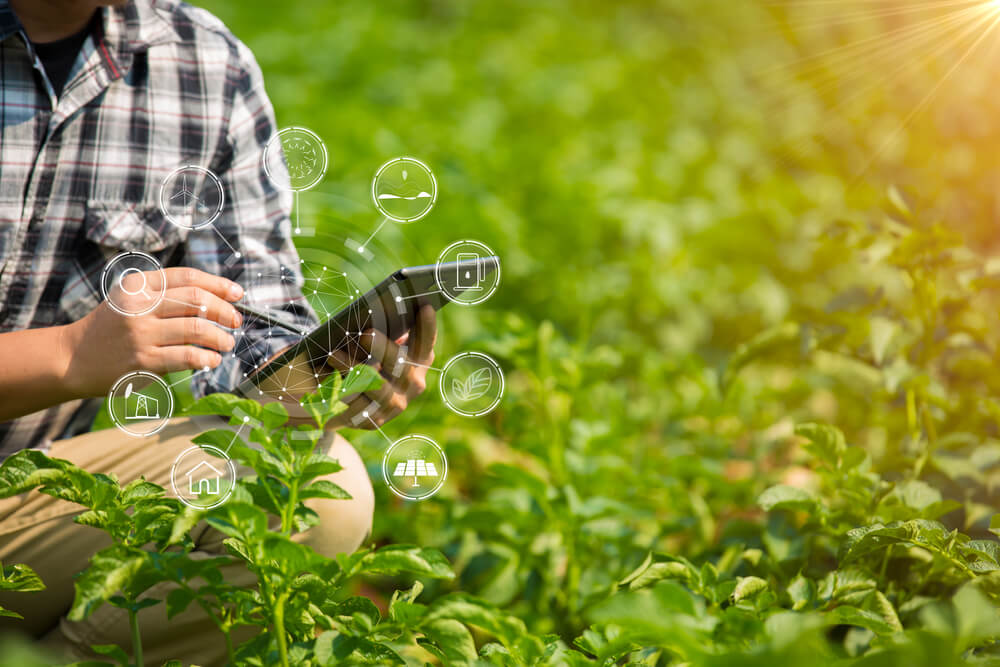
Sustainable Agriculture Innovations Boost Food Security,With a rapidly increasing global population and changing climate patterns, securing reliable food supply chains has never been more critical. Extreme weather events, rising temperatures, and unpredictable rainfall are putting pressure on traditional farming methods, threatening the availability and affordability of essential crops. Nations and communities are now prioritizing food security strategies that combine technology, innovation, and sustainable practices.
Ensuring that everyone has access to nutritious food requires a holistic approach, including modernized supply chains, smarter farming techniques, and resilient agricultural systems. Governments, private companies, and local farmers are stepping up efforts to create a food system that can withstand environmental stress while reducing waste and improving efficiency.
Water-Efficient Agriculture: A Necessity, Not a Choice
Water scarcity has emerged as one of the most pressing challenges in agriculture. Conventional irrigation methods often waste vast amounts of water, leaving crops vulnerable during dry seasons. Water-efficient agriculture introduces precision irrigation, soil moisture sensors, and drought-tolerant crops to maximize yield while conserving water.
Drip irrigation systems, for example, deliver water directly to plant roots, significantly reducing evaporation and runoff. Similarly, hydroponics and aeroponics allow crops to grow with minimal water in controlled environments. These innovative practices are not only reducing water consumption but also increasing the predictability of harvests, even in regions facing extreme drought.
Climate-Smart Farming Innovations
To adapt to changing climates, farmers are embracing climate-smart solutions. This includes integrating artificial intelligence, data analytics, and satellite monitoring to predict weather patterns, optimize planting schedules, and detect early signs of crop stress or disease.
Seed technology is also evolving, with scientists developing crop varieties that can withstand higher temperatures, salinity, and pests. These advancements allow farmers to maintain consistent yields while reducing dependence on chemical pesticides and fertilizers, fostering a healthier ecosystem.
Vertical farming and controlled-environment agriculture have further revolutionized the industry. By growing crops indoors under artificial light, farmers can achieve year-round production, reduce land use, and protect plants from unpredictable weather events.
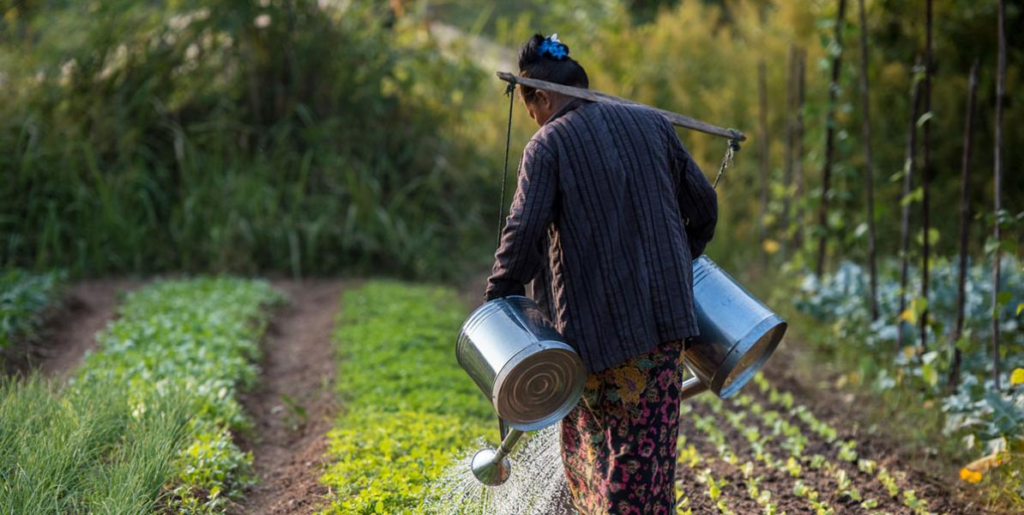
Strengthening Food Supply Chains
Innovation in farming alone is not enough; robust supply chains are equally vital. From farm to table, every stage of food distribution must be optimized to minimize spoilage, reduce costs, and improve access to markets. Cold storage solutions, blockchain technology for traceability, and automated logistics are transforming the way food moves from producers to consumers.
Smart supply chains also allow farmers to respond more effectively to demand fluctuations. Predictive analytics can forecast shortages or surpluses, enabling timely adjustments in production and distribution. This not only ensures food availability but also stabilizes prices, making essential goods more affordable for communities worldwide.
Community and Policy Support
The success of sustainable agriculture relies heavily on community involvement and supportive policies. Governments are offering incentives for adopting water-saving technologies, renewable energy solutions, and eco-friendly farming practices. Education and training programs help farmers transition to climate-smart methods while preserving traditional knowledge that has sustained agriculture for generations.
Public-private partnerships are also emerging as powerful tools for change. By bringing together research institutions, agritech companies, and local cooperatives, these collaborations foster innovation, share risk, and accelerate the implementation of cutting-edge solutions at scale.
The Role of Technology in Future Farming
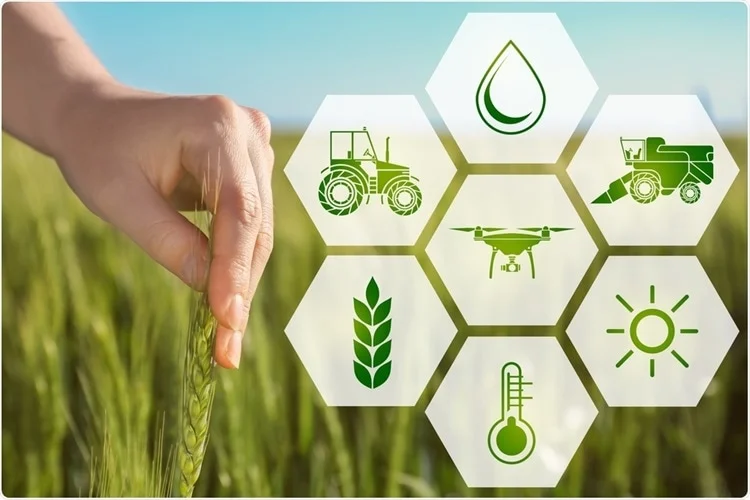
Technology is increasingly central to farming’s evolution. Drones monitor crop health, robotics assist in planting and harvesting, and AI predicts pest infestations before they occur. Mobile applications provide farmers with real-time guidance on soil quality, irrigation needs, and market prices, making farming more precise and less resource-intensive.
The integration of renewable energy, such as solar-powered irrigation systems, further reduces dependency on fossil fuels. As technology becomes more accessible and affordable, small-scale farmers can compete on a level playing field, contributing to overall food security.
Urban Agriculture and Local Food Production
Urban farming initiatives are transforming cities into food-producing hubs. Rooftop gardens, vertical farms, and community gardens not only supply fresh produce locally but also reduce transportation costs and carbon emissions. These initiatives empower communities to take part in their own food security while reconnecting people with nature and agriculture.
Local food production also encourages dietary diversity and resilience against global supply chain disruptions. By fostering self-sufficiency, cities can ensure access to nutritious food even during crises or climate-related disruptions.
Environmental Benefits of Sustainable Practices
Beyond securing food, sustainable agriculture protects natural resources and promotes biodiversity. Reduced chemical usage, efficient water management, and soil conservation practices help restore ecosystems and mitigate climate change impacts. Crop rotation, intercropping, and agroforestry enhance soil fertility while supporting wildlife habitats.
Sustainable practices also align with global efforts to reduce greenhouse gas emissions. By minimizing waste, optimizing resource use, and integrating renewable energy, agriculture becomes a positive force in combating environmental challenges rather than a contributor.
Inspiring a Global Movement
The push for sustainable agriculture and food security is more than a technical challenge; it is a movement that engages governments, businesses, communities, and individuals. By embracing innovation, prioritizing resilience, and valuing collaboration, the global community can ensure that food systems remain strong and reliable for generations to come.
From adopting water-efficient irrigation to leveraging AI in crop management, the transformation is already underway. Farmers are becoming innovators, policymakers are becoming enablers, and consumers are becoming advocates for sustainability. Together, these efforts create a powerful momentum toward a future where food scarcity is minimized, and communities thrive even amid climate uncertainty.
Conclusion
Food security in the 21st century demands bold, innovative, and sustainable solutions. Water-efficient agriculture, climate-smart farming, technology integration, and strengthened supply chains are central to this vision. Communities and governments play a crucial role in supporting these transformations, ensuring that the next generation can enjoy abundant, nutritious, and resilient food systems.
Sustainable agriculture is no longer just an option; it is a necessity for a thriving planet. By fostering innovation, collaboration, and environmental stewardship, the world can rise to the challenge of feeding a growing population while protecting the resources that make life possible.
Do follow Gulf Magazine on Instagram.
Also Read – Gulf Smart Healthcare: Telemedicine & AI Transform Care

