

In a dramatic turn of events, Israeli authorities have imposed a sweeping gag order on a sensitive and potentially explosive investigation involving close aides to Prime Minister Benjamin Netanyahu. The case centers around suspected ties between the aides and the Gulf nation of Qatar, raising questions about foreign influence, political maneuvering, and national security.
What We Know So Far
Details of the investigation remain tightly under wraps due to the gag order, which was issued by an Israeli court earlier this week. The order prevents the media from reporting on any aspect of the ongoing probe, including the names of the individuals involved, the charges being considered, or the nature of the evidence gathered so far.
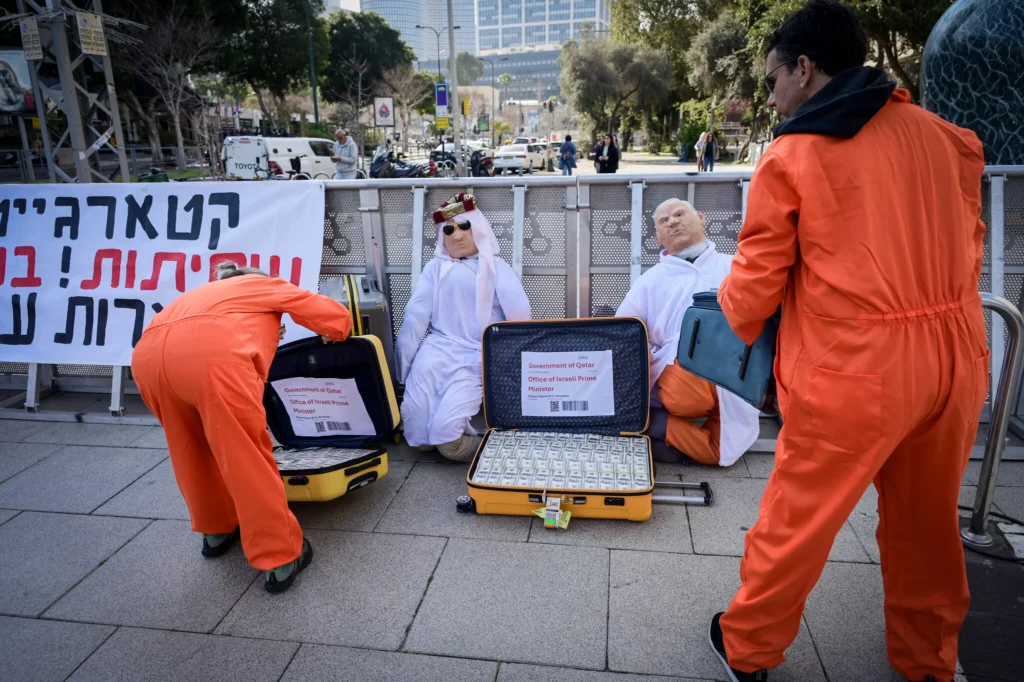
However, what is known publicly is that multiple individuals, believed to be current or former aides to Prime Minister Netanyahu, are at the center of the inquiry. The investigation reportedly examines whether these aides received illegal benefits or engaged in unauthorized communications with officials from Qatar, a country with which Israel does not maintain formal diplomatic relations.
Why the Gag Order?
Gag orders are not unusual in Israel, especially in cases involving national security or high-level political figures. In this instance, the scope of the order is particularly broad. It not only blocks reporting of facts but also prohibits the publication of speculation or analysis based on the investigation.
Legal experts suggest that the sweeping nature of the gag order indicates the investigation may involve sensitive intelligence or diplomatic concerns. The restriction is seen as an effort to preserve the integrity of the inquiry and prevent media leaks that could compromise its outcome.
Political Shockwaves
The probe is already sending shockwaves through Israel’s political landscape, even if few official details have emerged. With Netanyahu already facing long-running legal troubles related to corruption charges, any fresh scandal involving his inner circle could have serious political consequences.
Opposition leaders have called for full transparency and urged the Prime Minister to address the situation publicly. Some have accused Netanyahu’s government of trying to suppress information to protect key allies and avoid further political damage.
Meanwhile, members of Netanyahu’s Likud party have largely remained silent, likely due to legal constraints and the highly sensitive nature of the case.
Qatar’s Role and Regional Dynamics
Qatar has long played a complicated role in Middle Eastern diplomacy. While it does not have official diplomatic ties with Israel, it has served as a key intermediary between Israel and Hamas, especially in facilitating humanitarian aid to the Gaza Strip.
Qatar’s involvement in regional politics often draws suspicion in Israel, particularly among right-wing politicians who see the Gulf nation as sympathetic to Islamist groups. If Netanyahu’s aides are indeed found to have cultivated unauthorized relations with Qatari officials, it could raise serious questions about loyalty, national security, and transparency within Israel’s leadership.
Legal Ramifications
Although the details of the allegations are sealed, legal analysts say any charges resulting from the investigation could range from breach of trust to more severe offenses such as espionage or accepting bribes from a foreign government.
Israel’s law enforcement agencies have come under scrutiny in recent years for how they handle high-profile political investigations. This case will likely test both public trust and institutional resilience once more.
Given the gag order, it is also unclear whether arrests have been made or whether the investigation is in its early stages. Israeli police and the Justice Ministry have declined to comment on the matter.
Public Reaction and Media Frustration
The sweeping nature of the gag order has also sparked backlash from journalists and media watchdog groups, who argue that the public has a right to know about investigations involving top government officials. Media outlets are now navigating a tightrope, balancing the public interest with the legal restrictions in place.
“This kind of blanket gag order undermines transparency and accountability, especially when it involves individuals close to the Prime Minister,” said one Israeli media analyst. “People deserve to know if their leaders are under serious investigation.”
A Growing Crisis for Netanyahu?
This latest development adds to Prime Minister Netanyahu’s long list of legal and political challenges. He is already standing trial in three separate corruption cases involving charges of fraud, breach of trust, and bribery. Though he has consistently denied all wrongdoing, public trust in his leadership has eroded over time.
If the new investigation leads to indictments or arrests of individuals within his inner circle, it could further weaken his position and create fresh political turmoil for the ruling coalition.
What Happens Next?
For now, the public and media must wait. The court has not specified when the gag order will be lifted, leaving many unanswered questions hanging in the air. In the meantime, speculation continues behind closed doors, and pressure mounts on Netanyahu to provide some form of public accountability.
This story is still developing, and the implications could be profound — not just for Netanyahu’s political future, but also for Israel’s internal governance and its delicate relationships across the Middle East.

