

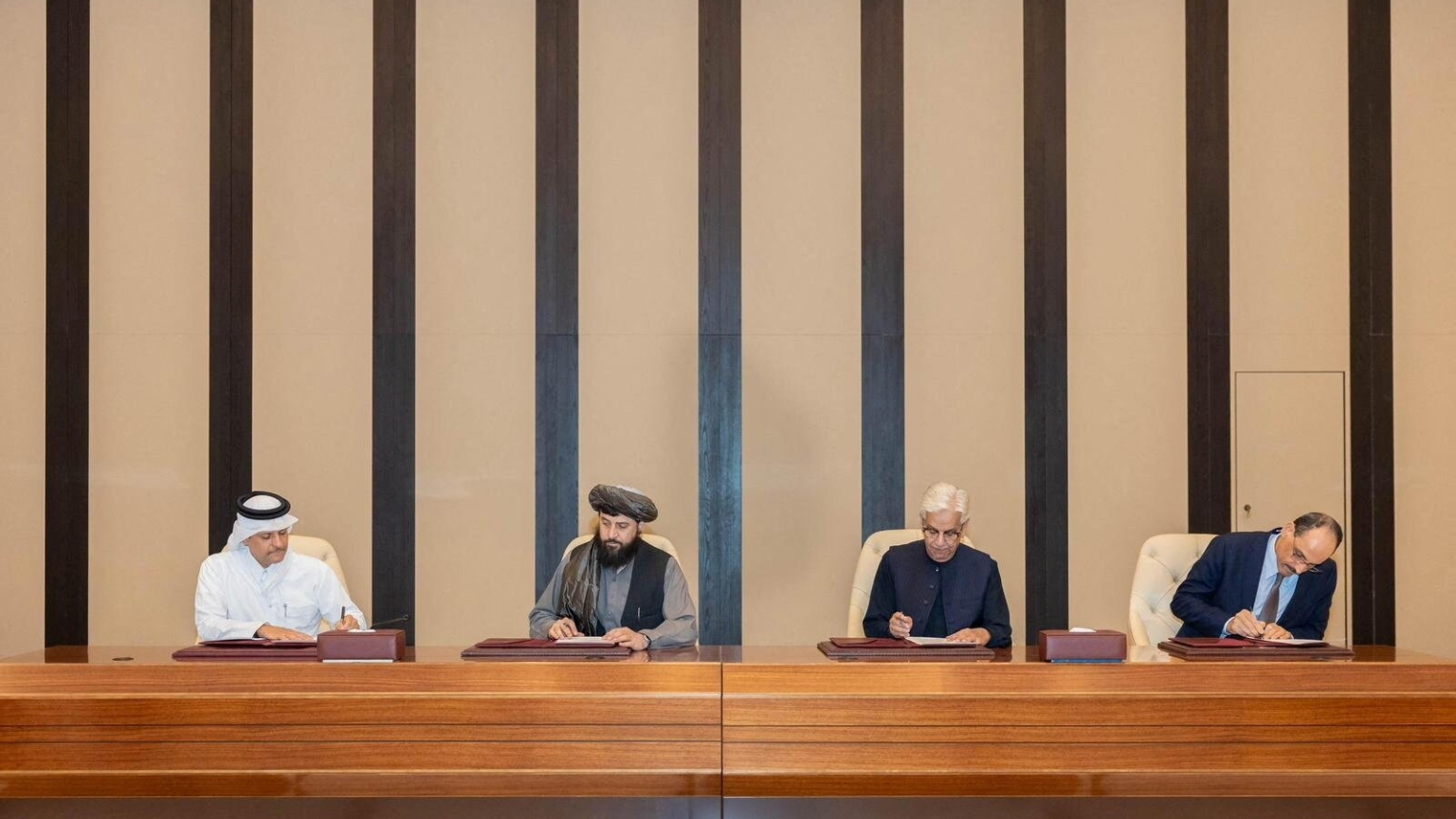
Over the weekend, a high‑stakes round of talks between delegations from Pakistan and the Taliban hosted in Riyadh, Saudi Arabia ended without any agreement. The meetings were aimed at ironing out deep‑rooted tensions, primarily over the presence and activities of Tehrik‑i‑Taliban Pakistan (TTP) militants allegedly operating from Afghan soil. Despite hopes raised by Saudi mediation, both sides stuck firmly to their positions, resulting in a stalemate.
Officials privy to the talks say that while the convening was meant to signal renewed commitment to peace, neither side showed readiness to compromise. As a result, the session concluded quietly, with no new framework, timeline, or plan of action announced.
Why It Matters: Stakes Are High
For Pakistan, the core demand has been clear: concrete action against TTP operatives allegedly sheltering in Afghanistan. Islamabad argues that without accountability and strong measures from Kabul, cross-border attacks and militant infiltration cannot be curbed.
From the Taliban side, however, the stance remains that they have limited or no control over TTP, denying that they provide any sanctuary. They stress sovereignty concerns and reject conditions that would amount to taking responsibility for Pakistan’s internal security.
The failure of the talks deepens mistrust and leaves a dangerous vacuum: Prone to resurgence of violence, especially along the border, and potential further breakdown of any ceasefire or informal understanding.
What Went Wrong: The Core Impasse
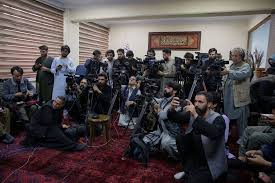
Both sides came in with deep mistrust. Pakistan entered the talks expecting actionable commitments: identification, handover, or neutralization of TTP leadership and a guarantee that Afghanistan would not allow its territory to be used for attacks on Pakistan.
But the Taliban delegation repeatedly insisted they could not guarantee such control. Over several rounds of negotiations — first mediated by other countries, now via a Saudi-hosted track the Afghan side refused what Pakistan regarded as minimal security assurances.
That rigid stance killed the momentum. What had been promoted as a “fresh push” for resolution ended up as another round of finger‑pointing.
What’s Next: Is There Hope?
Despite the impasse, both sides and Saudi mediators appear to keep the door open for future talks. Observers say renewed negotiations could be attempted if both parties are willing to shift tone or strategy.
Pakistan appears likely to continue pressure: domestic sentiment demands action, especially after a surge in militant attacks blamed on TTP. On the other hand, the Taliban may face international pressure to show some commitment to regional security, especially as neighbouring countries watch closely.
The question is whether either side will blink first. A breakthrough will require more than just talks it will need trust‑building, concrete proposals, and willingness to compromise.
What It Means for People: The Human Cost & Regional Ripple
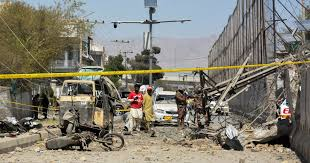
For ordinary people on both sides of the border, the failure of these talks is deeply unsettling. In Pakistan, civilians and security forces have often borne the brunt of militant violence fears will now rise that without a concrete agreement, such attacks may escalate.
On the Afghan side too, communities near the border face a potential backlash: increased militarization, tighter security, and risk of spills from border skirmishes. The political uncertainty adds to economic woes, displacement, and daily instability.
For the region Pakistan, Afghanistan, and neighbours the collapse underscores how fragile peace remains. The hopes pinned on diplomatic mediation may now seem shaky. Without resolution, the specter of renewed conflict looms large.
Final Thought: Dialogue Isn’t Dead, but Trust Must Be Rebuilt
The end of the Riyadh talks may feel like yet another failure. But it doesn’t have to be the end of the road. What matters now is not just more meetings — but meaningful shift in approach.
If Pakistan and the Taliban can build mutual trust, design transparent mechanisms for security cooperation, and show willingness to address the human cost on both sides, there remains a sliver of hope for lasting calm. Until then, the region remains caught in a dangerous stalemate — and the people pay the price.
Do Follow Gulf Magazine on Instagram
Read More:- Iraq’s High-Level Visit Sparks Powerful Progress at WCC 202